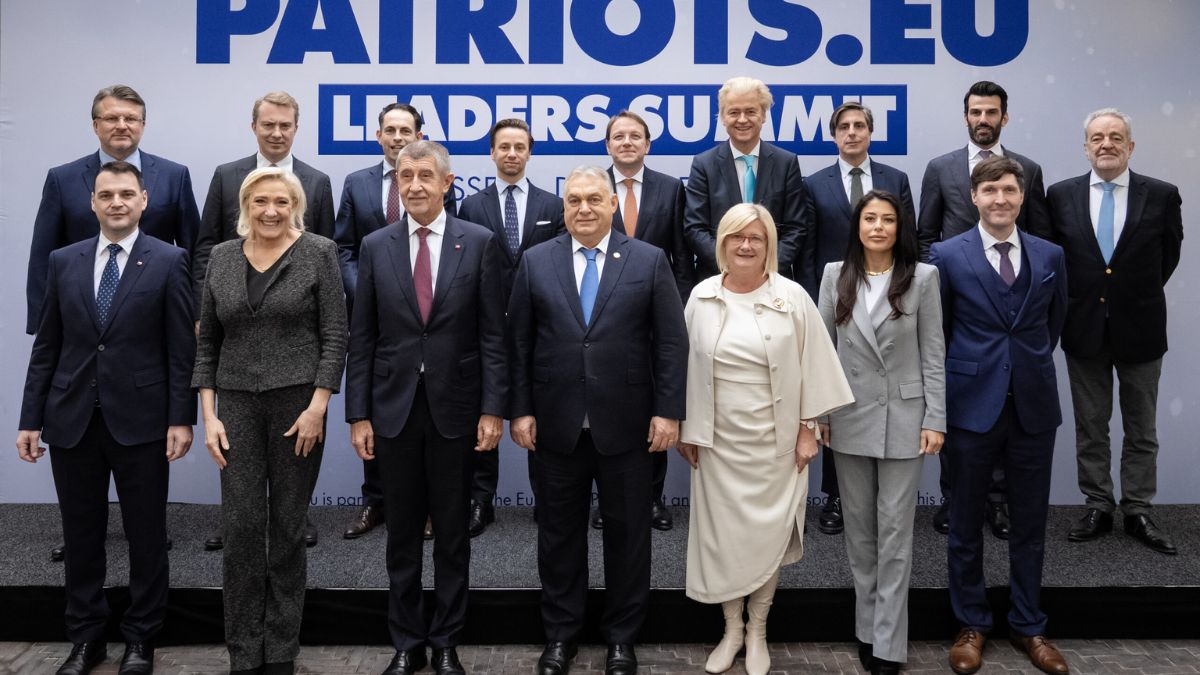
The European Parliament has blocked an exhibition organized by Patriotas por Europa focusing on South Africa’s political, social and economic situation. The parliamentary group, the third-largest force in the chamber, has described the decision as an act of censorship and alleged that political pressure was behind the cancellation.
The exhibition was due to take place on Parliament premises and was intended to examine issues including South Africa’s deteriorating domestic situation, the policies of the African National Congress (ANC), and the European Union’s political and financial support for the South African government.
The decision to prevent the event was taken by the Parliament’s Quaestors just nine days before it was due to open. According to Patriotas por Europa, one of the reasons given was the possibility that the exhibition could have an impact on the political environment ahead of South Africa’s upcoming local elections, which are scheduled to take place in approximately two months.
The group also claims that the decision followed pressure from representatives of the South African Parliament and the South African Embassy.
Criticism of the decision
Tom Vandendriessche, a Member of the European Parliament from Vlaams Belang, strongly criticized the decision and questioned whether an exhibition held in Brussels could realistically be considered significant interference in an electoral process taking place thousands of kilometres away.
Vandendriessche also accused mainstream political groups of applying a double standard when dealing with criticism directed at European institutions and their policies. In his view, the decision highlights the difficulties Patriotas por Europa faces in organizing certain activities within the European Parliament.
The group has linked the episode to what it describes as a broader policy of institutional exclusion. Patriotas por Europa points out that, despite being one of the Parliament’s largest political groups, its representatives have been excluded from certain institutional positions.
The group has warned that European institutions should safeguard political pluralism and has presented the decision as another example of what it considers restrictions on political positions critical of EU policies.
The controversy is likely to fuel a wider debate over the limits that should apply to political activities and exhibitions held on European Parliament premises, particularly when they address international issues and have the potential to generate political controversy.