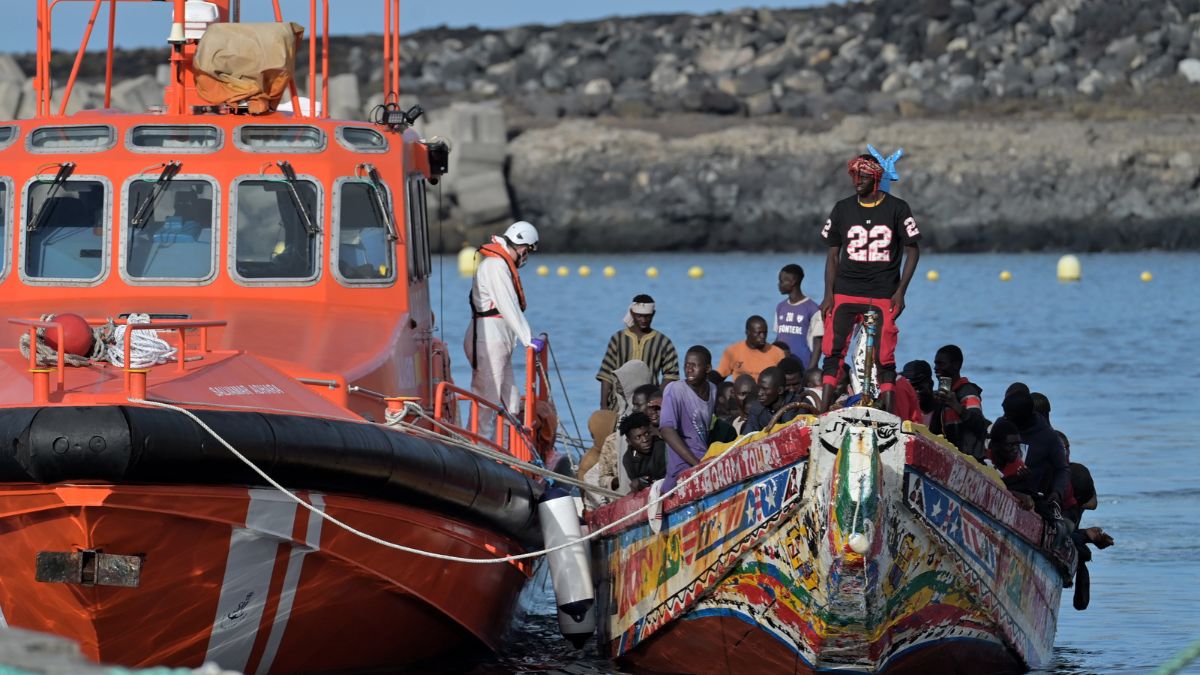
A surge of irregular border crossings into the North African enclave of Ceuta from Morocco in late July prompted the European Commission to classify Spain among the four member states under “high migratory pressure.” The formal designation unlocks access to the mandatory solidarity framework outlined in the EU’s Pact on Migration and Asylum, allowing Madrid to seek the relocation of international protection applicants to other bloc members.
European Commissioner for Internal Affairs and Migration Magnus Brunner confirmed in Brussels that the events at the Ceuta border tipped the scales, placing Spain in the highest intervention category alongside Italy, Greece, and Cyprus.
Ceuta Episodes Alter Technical Risk Assessment
Under Brussels’ baseline technical indicators, Spain was initially projected to remain merely “at risk of migratory pressure.” That lower tier provides operational oversight and technical assistance, but falls short of allowing a member state to trigger mandatory burden-sharing and relocation procedures across the bloc.
Official metrics highlighted by Brunner reflect Spain’s outsized exposure across European border corridors:
Share of Unauthorized Crossings: Spain accounted for roughly 20% of all irregular border entries recorded across the European Union over the reporting period.
Search and Rescue Operations: The country ranked as the third-highest EU member state in reception numbers resulting from maritime search-and-rescue operations in the Atlantic and Mediterranean routes.
While the European Commission has established Spain’s eligibility to request partner support, the annual migration management report did not specify the mandatory transfer quotas or formal relocation timelines for participating member states.