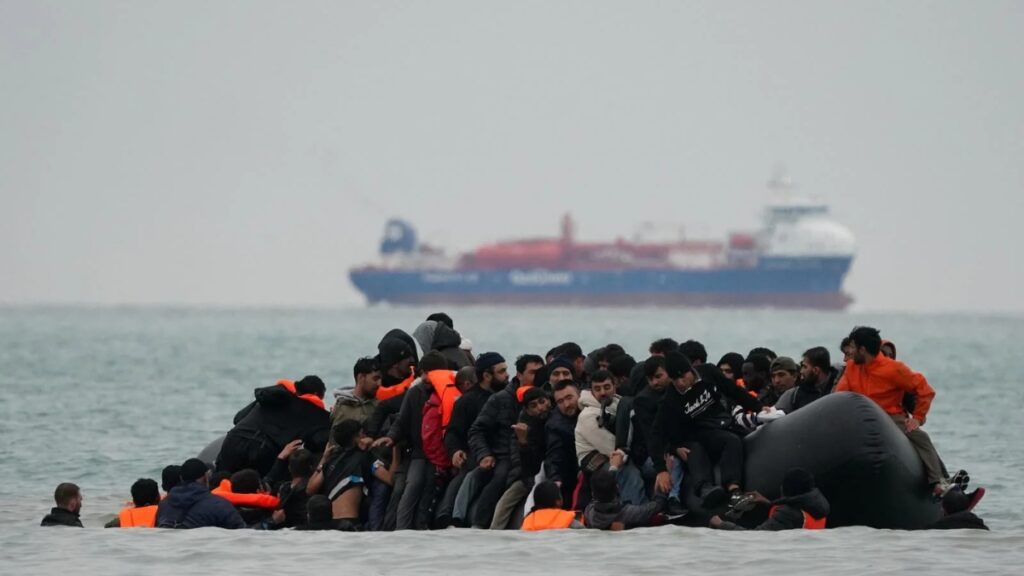
The UK Labour government is facing fresh criticism over plans to significantly increase the number of asylum seekers housed in Houses in Multiple Occupation (HMOs) in Breckland, Norfolk. The proposal comes after the area experienced protests and unrest linked to asylum accommodation during the summer.
According to the Daily Mail, Home Office officials told Norfolk councillors that they intend to provide 240 rooms in HMOs for asylum seekers, compared with the 56 places currently available. The move would more than quadruple the existing capacity.
Protests and opposition in the area
The announcement has sparked anger among local political representatives, who argue that the expansion could further increase tensions in an area that has already experienced unrest.
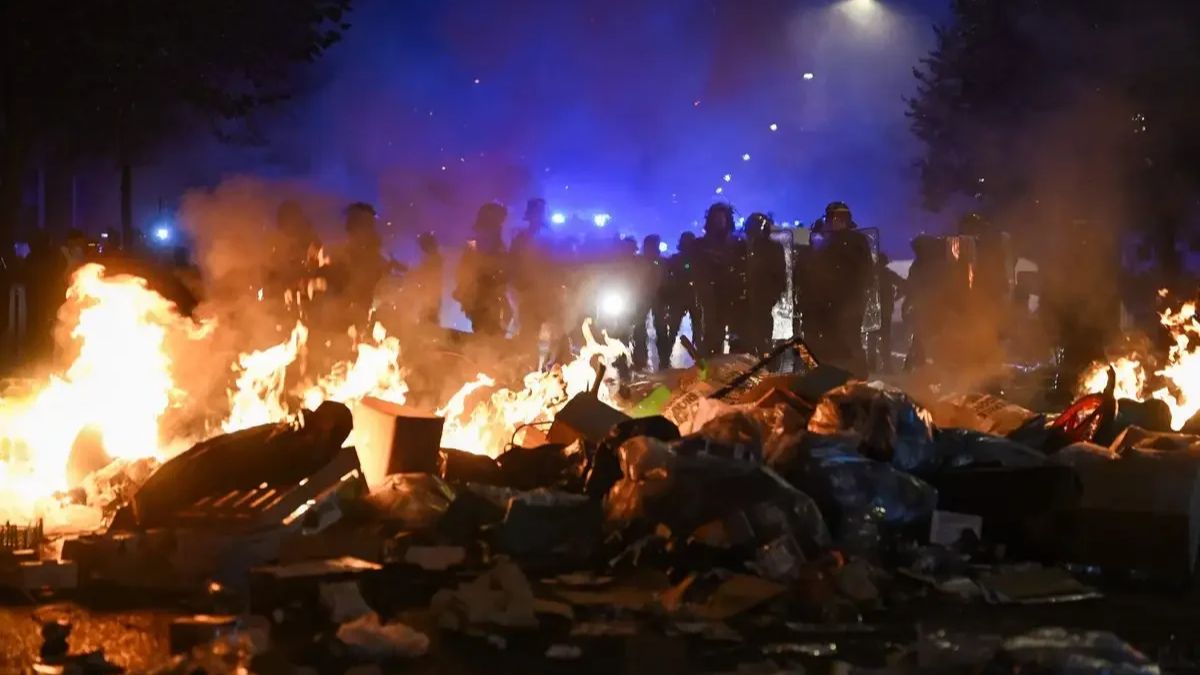
Breckland includes towns such as Thetford, where several consecutive nights of protests against asylum accommodation took place in early August. During some of the incidents, police officers escorted residents from the accommodation sites to ensure their safety.
The situation is also unfolding alongside controversy over RAF Barnham, located in the same area. The UK Government is considering using the former military site to house at least 1,250 asylum seekers, a proposal that has also triggered protests and opposition from some local residents.
Scott Hussey, a Reform UK councillor on both Norfolk County Council and Breckland District Council, has strongly criticised the Home Office’s approach. He described the expansion of HMO accommodation as a “double blow” for the area and questioned the decision to pursue the plans alongside the proposed Barnham site.
Much of the criticism centres on whether Breckland has the capacity to absorb such a significant increase after the protests seen in recent weeks.
The controversy forms part of a wider debate in the UK over how the Government accommodates people seeking international protection while their claims are being processed. In recent years, authorities have relied on hotels, former military facilities and HMOs, a policy that has generated opposition in several parts of the country.