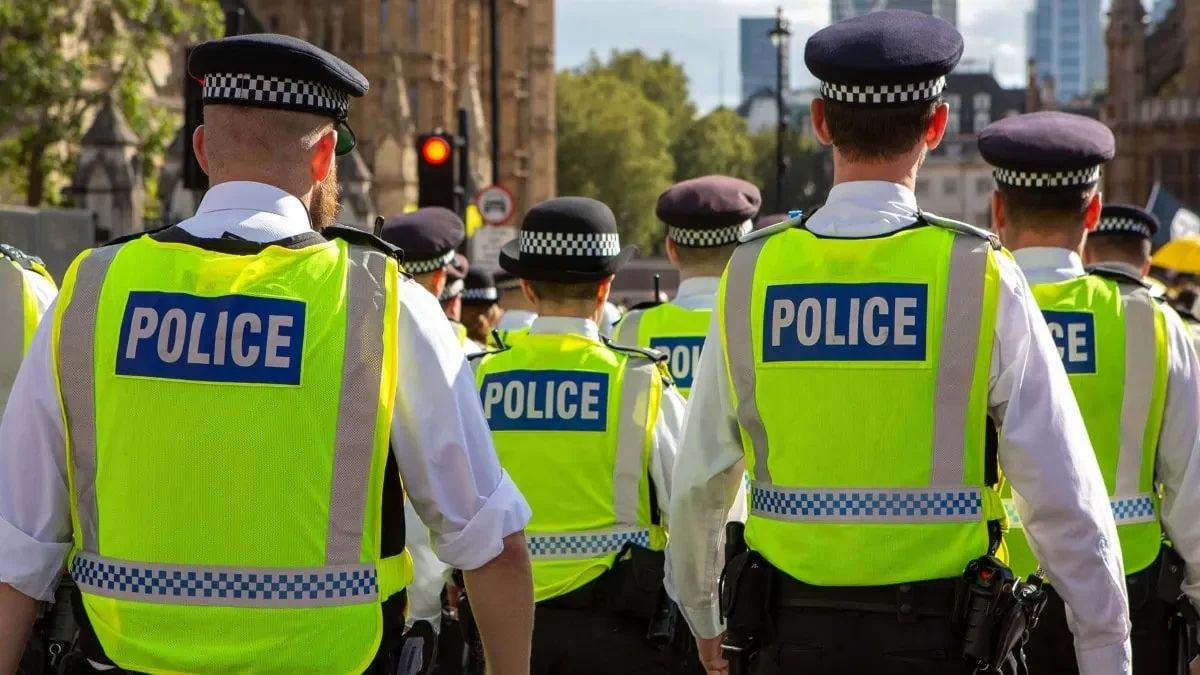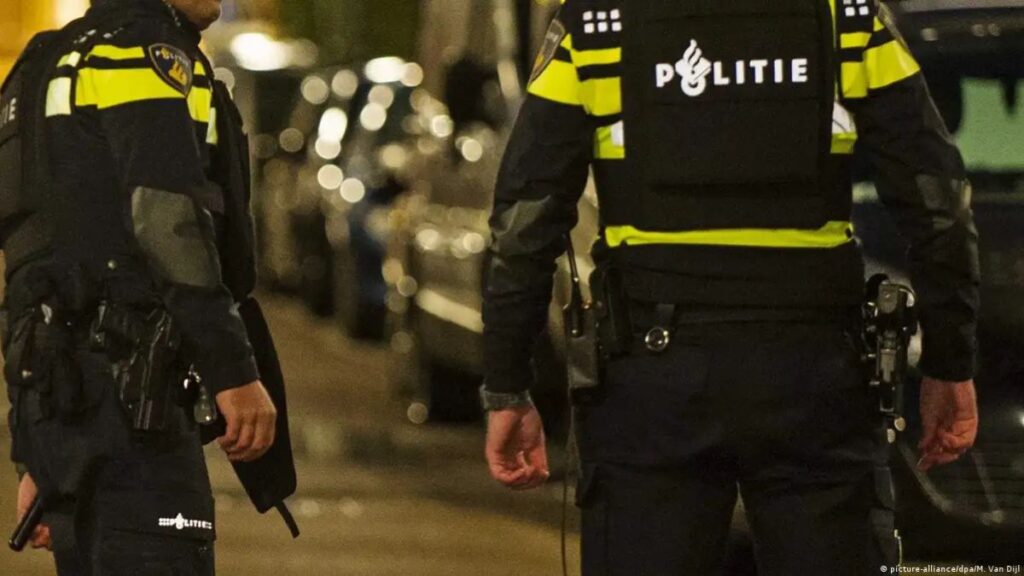
The Dutch National Police will stop organizing religious celebrations for people outside the force from January 1, 2027, as part of new rules aimed at reinforcing the institution’s religious neutrality.
The decision was announced by Dutch Police Commissioner Janny Knol following years of political and public debate over the role of police officers in activities associated with different religious communities.
The new regulations will apply to all religions. Police units will no longer directly organize events linked to Ramadan, Christmas, Easter, Hanukkah, Diwali, Purim or Holi, among other religious celebrations.
Knol said the policy was intended to ensure that the police maintain a neutral institutional position. In her view, organizing religious gatherings could create the impression that the institution itself identifies with particular beliefs.
End of police-organized iftars
One of the most visible changes will concern iftars, the meals traditionally held by Muslims to break their daily fast during Ramadan.
For years, several Dutch police units have organized or participated in such events as part of their efforts to build relationships with local communities. In Amsterdam, for example, the police have been involved in Ramadan-related activities for more than two decades.
Earlier this year, Amsterdam Police held an iftar at the Beurs van Berlage attended by hundreds of police officers and local residents. Police officials and Amsterdam Mayor Femke Halsema also took part in the event.
Under the new rules, events of this kind may continue to take place, but they will no longer be organized directly by the police when they are religious in nature and open to people outside the force.
Police officers will still be allowed to attend religious events organized by external associations, communities or other organizations when their presence can be justified by their professional duties.
Police leadership considers such contact with residents, community groups and other social partners important for building trust, preventing conflicts and helping de-escalate tensions in certain situations.
Officers barred from taking part in religious rituals
The new regulations also draw a distinction between attending a religious event and actively participating in it.
When officers attend a religious celebration on behalf of the police, they will not be allowed to participate directly in religious rituals or activities, regardless of whether they are wearing their uniforms or civilian clothing.
Religious celebrations organized exclusively for police employees, however, will remain permitted.
The decision comes amid a broader debate in the Netherlands over the scope of religious neutrality within public institutions and the appropriate relationship between government bodies and religious communities.
Police involvement in iftars had already attracted political criticism. In July, a broad majority in the Dutch Parliament backed a motion calling on the police not to use personnel, public funds or facilities to organize such events and to strengthen the institution’s neutrality.
The new regulations will take effect on January 1, 2027.