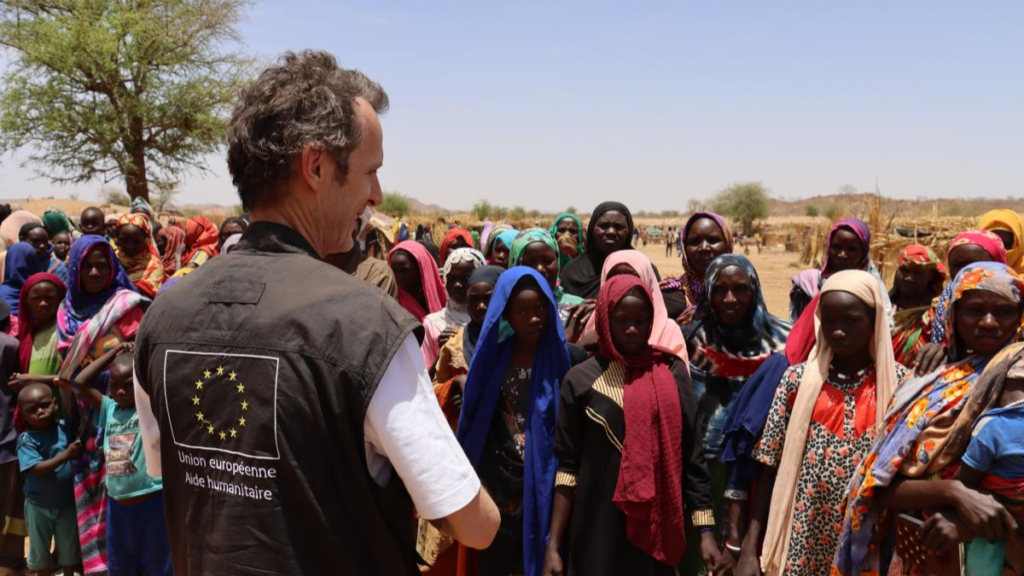
Brussels has pledged €812 million in fresh support for Sudan and neighbouring countries, deepening the European Union’s financial response to what officials describe as one of the world’s gravest humanitarian emergencies.
The package, announced during an international conference in Berlin on Thursday, combines €360 million from the EU budget with an additional €452 million from member states, according to the European Commission. The funding is intended to support both emergency aid inside Sudan and refugee assistance across the wider region.
Of the total, €215.5 million will be directed to operations within Sudan, while €145.3 million will go towards helping refugees and displaced populations in countries including Chad, South Sudan, Ethiopia, Egypt and Libya. The remainder forms part of a broader regional commitment aimed at addressing the spillover effects of the conflict.
EU officials framed the pledge as a necessary humanitarian intervention at a time when Sudan’s war continues to devastate civilians and destabilise surrounding countries. European Commissioner Hadja Lahbib described the situation as “the worst humanitarian disaster of our time”, arguing that the scale of suffering leaves little room for hesitation.
The announcement, however, is likely to feed a wider political debate inside Europe over how public money is being allocated at a time of mounting domestic strain. Across the bloc, governments are facing persistent pressure linked to inflation, housing shortages, migration and overstretched public services, making large-scale external spending an increasingly contested issue.
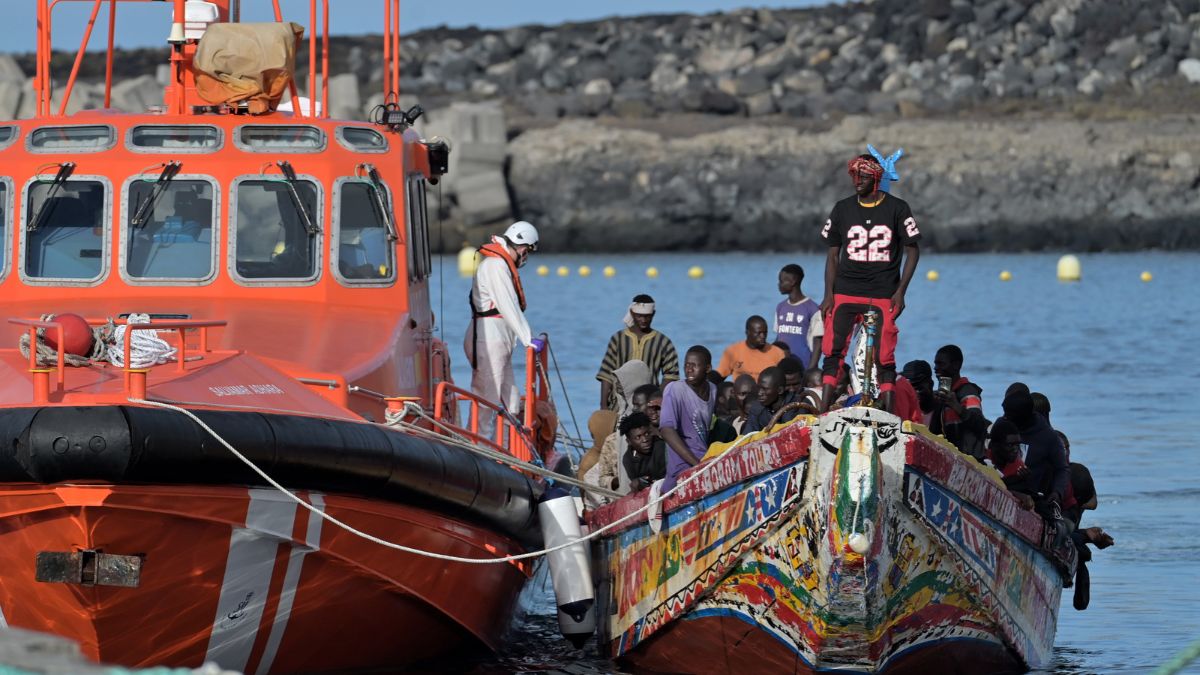
Brussels maintains that these allocations are not only a moral response but also a matter of strategic interest. The Commission argues that instability in third countries can quickly produce consequences for Europe, particularly through forced displacement and regional insecurity.
Critics, however, say the EU has become too reliant on repeated financial commitments abroad without securing lasting structural outcomes, while many of its own internal challenges remain unresolved. Because naturally, in modern Europe, every cheque written in the name of stability also arrives with an argument about who is actually footing the bill.