Europe pushes back on US calls to secure Strait of Hormuz
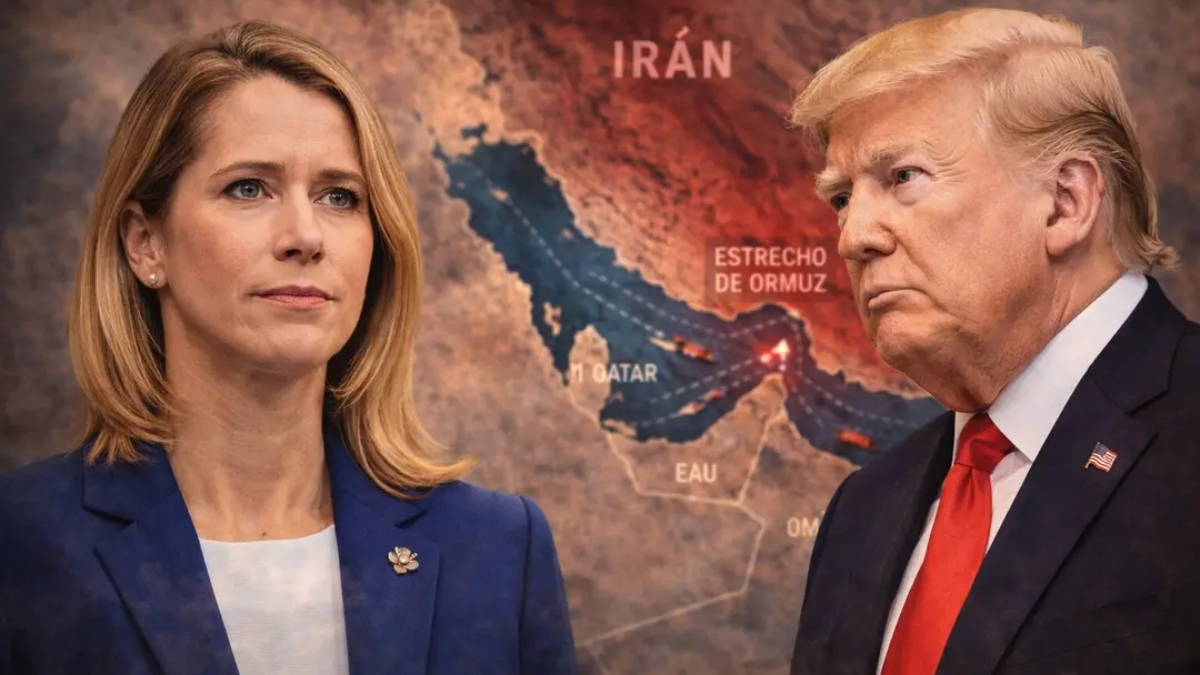
European governments are resisting pressure from US President Donald Trump to join a naval operation aimed at reopening the Strait of Hormuz, as they seek to avoid deeper involvement in the escalating conflict in the Middle East.
Speaking after a meeting of EU foreign ministers in Brussels, the bloc’s foreign policy chief Kaja Kallas indicated that there is limited support among member states for extending European naval operations into the strategic waterway.
According to Kallas, European capitals are reluctant to take on a more direct role in a conflict they consider increasingly volatile and unpredictable.
German Chancellor Friedrich Merz reinforced this position, stating that Berlin would not participate in any mission that could be interpreted as entering the war. He added that the conflict does not fall within NATO’s core mandate, despite growing pressure from Washington.
NATO divisions and limited international backing
The cautious approach is shared by several European leaders. Finnish Foreign Minister Elena Valtonen stressed that NATO remains a defensive alliance and should not be drawn into operations beyond its primary scope.
A similar stance has been expressed by the United Kingdom, where Prime Minister Keir Starmer ruled out involvement in what he described as a broader regional conflict.
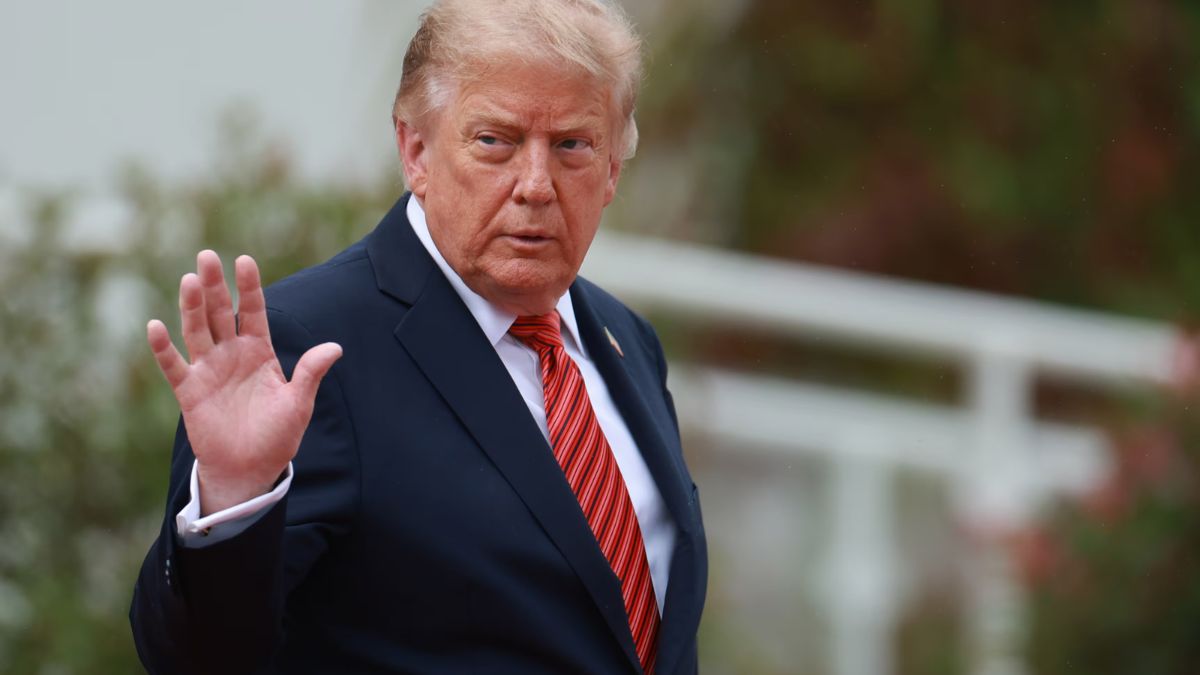
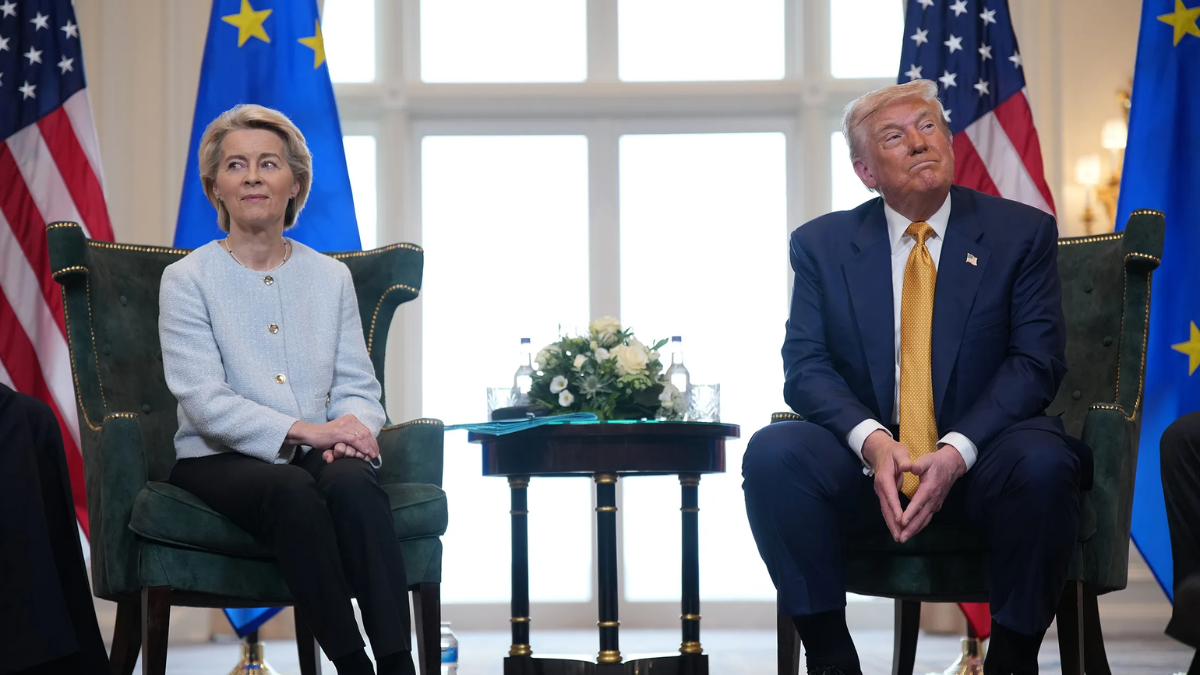
US President Donald Trump has criticised the response from European allies, warning that a lack of support could have consequences for cooperation within NATO. His remarks underscore emerging divisions within the alliance at a time of heightened geopolitical tension.
Beyond Europe, several Asian countries have also shown reluctance to participate, raising questions about Washington’s ability to build a broad international coalition around the initiative.
Economic and political implications for Europe
As discussions over a potential naval mission continue, attention in Brussels is increasingly focused on the wider implications of the crisis.
The Strait of Hormuz remains a critical route for global energy supplies, and disruptions have already contributed to rising gas and oil prices, placing additional pressure on European economies.
At the same time, EU institutions are navigating other strategic priorities, including ongoing talks with Ukraine over its potential accession to the bloc. While Kyiv continues to push for an accelerated timeline, several member states have expressed reservations.
The crisis has also intensified scrutiny of the European Commission’s external role. Commissioner Dubravka Šuica recently defended her participation in a US-led diplomatic initiative related to the Middle East, stating that it did not constitute formal EU endorsement.
Meanwhile, tensions are also emerging within the European Parliament, following reports of informal coordination between centre-right and far-right lawmakers on migration policy.
As the conflict in the Middle East evolves, Europe is seeking to balance strategic caution, internal political pressures and economic risks, while maintaining distance from direct military involvement.