EU postpones Russian oil ban plan amid market turmoil and political disputes
The European Commission has delayed plans to present a proposal aimed at permanently banning Russian oil imports, as volatility in global energy markets and internal EU tensions complicate the timing of the measure.
The initiative, part of the bloc’s broader REPowerEU strategy, had been expected in mid-April. However, officials confirmed that the proposal has been postponed, with no revised timeline announced.
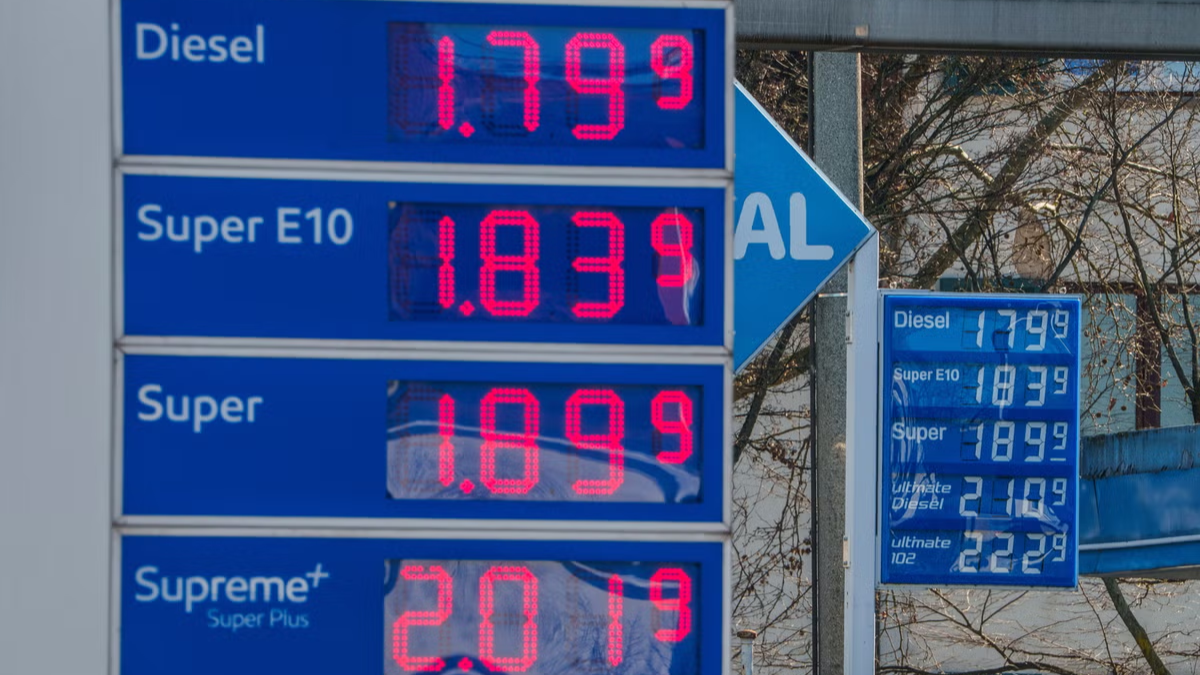
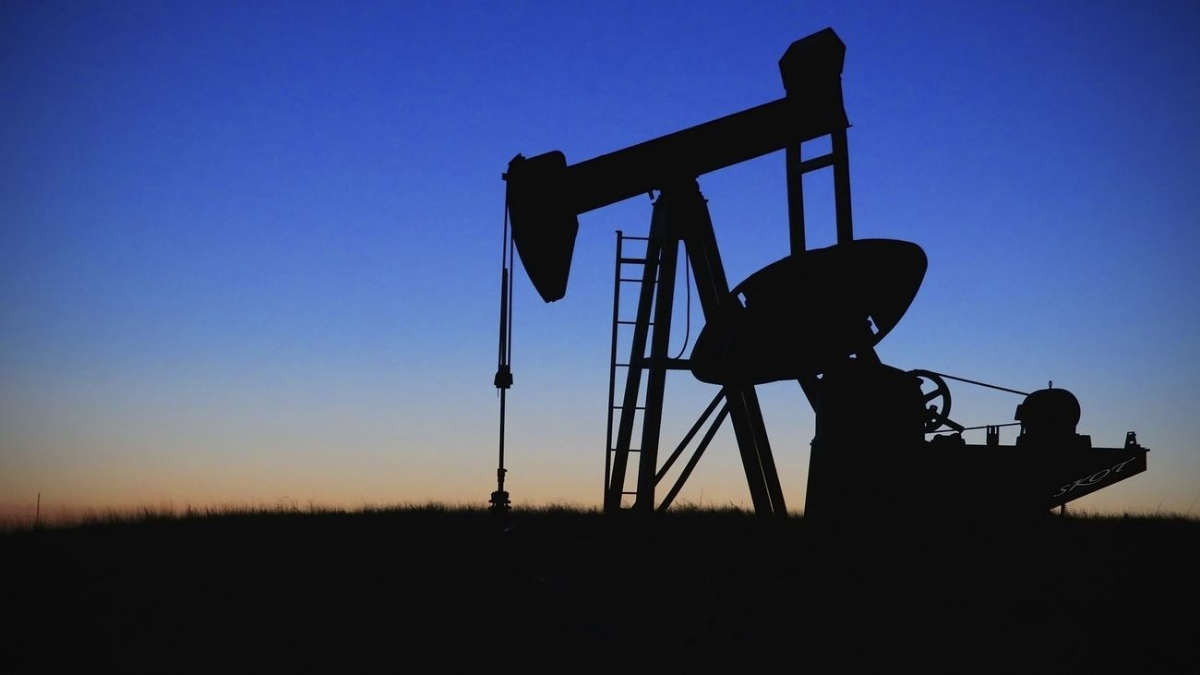
According to the Commission, the delay comes as energy markets remain unsettled following the escalation of conflict in the Middle East, which has pushed oil prices above $100 per barrel and disrupted key supply routes.
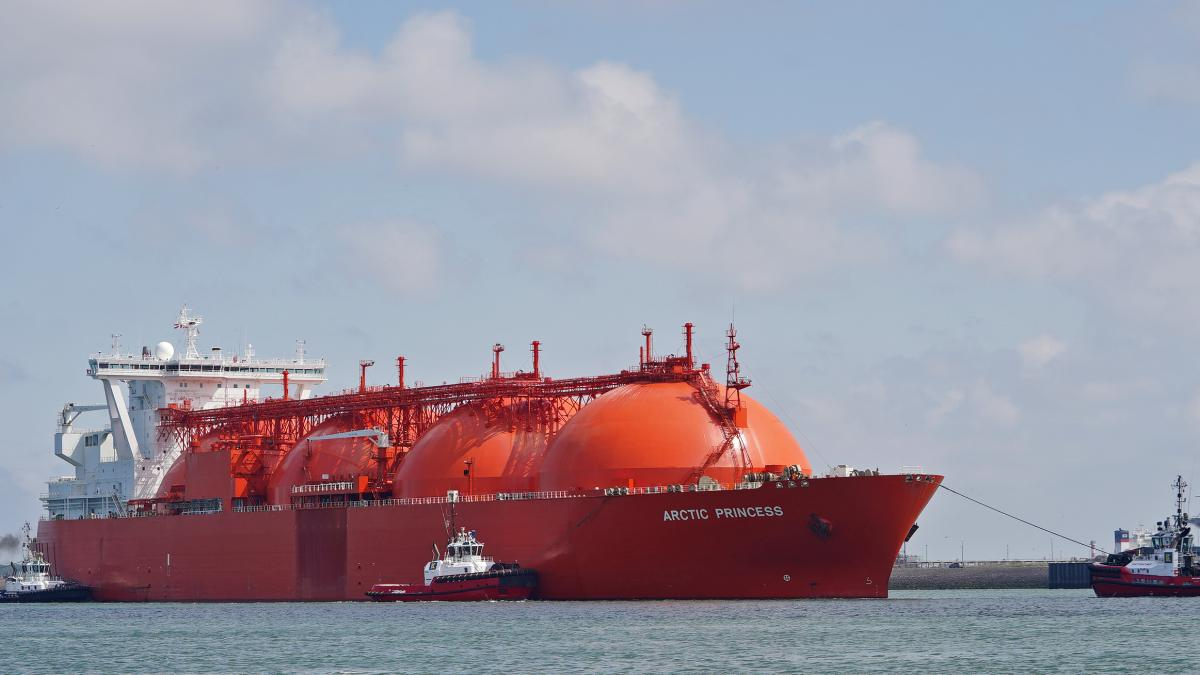
The closure of the Strait of Hormuz, a critical corridor for global oil and liquefied natural gas shipments, has further increased uncertainty and added pressure on European energy supplies.
Market pressures and policy considerations
Officials stressed that the postponement does not signal a change in policy, but rather reflects the need to assess market conditions before moving forward.
The proposal is intended to create a permanent legal framework preventing the reintroduction of Russian oil into the EU market, replacing the current sanctions system that requires periodic renewal.
European authorities have repeatedly warned that returning to Russian fossil fuels in the future would undermine the bloc’s long-term energy security strategy.
At the same time, recent developments in global politics have added complexity to the situation. Statements from the United States suggesting possible diplomatic progress with Iran briefly eased market tensions, although uncertainty remains high.
Disagreements within the EU
The delay also coincides with ongoing disputes between EU member states, particularly Hungary and Slovakia, which continue to rely on Russian oil supplies.
Both countries benefit from exemptions under existing sanctions and have opposed further restrictions, arguing that their energy security would be affected.
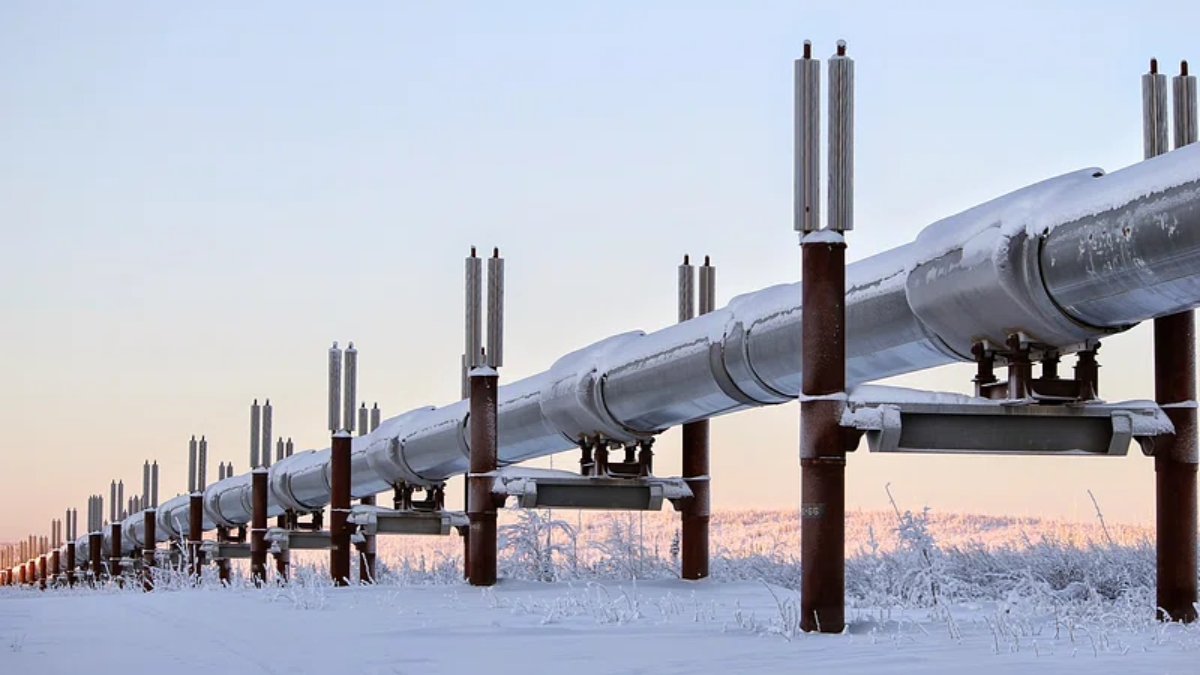
Tensions have intensified due to the disruption of the Druzhba pipeline, a key route for Russian crude oil into Central Europe. While Ukraine has attributed the interruption to damage caused by Russian attacks, Budapest and Bratislava have questioned this explanation.
The dispute has already had broader political consequences, contributing to the blockage of a €90 billion EU financial package for Ukraine.
As discussions continue, the Commission faces the challenge of balancing energy stability, geopolitical risks and internal divisions, while maintaining its long-term objective of reducing dependence on Russian energy sources.