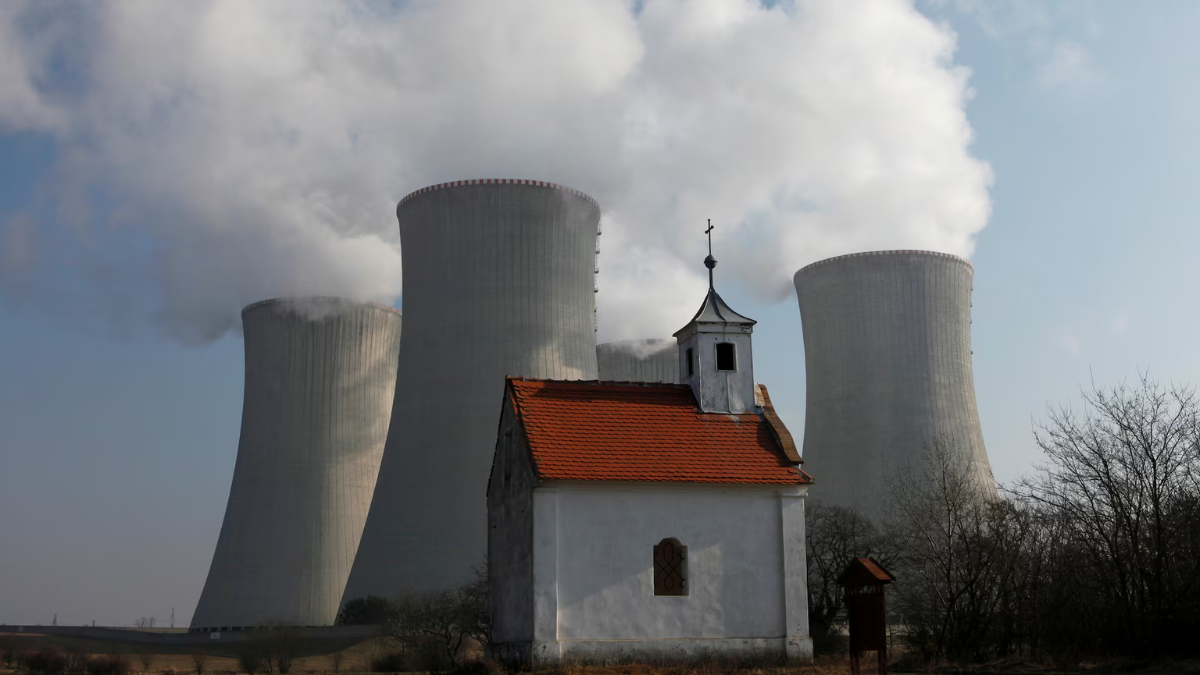
The nuclear gamble of the Czech Republic: an €18 billion bet on atomic power
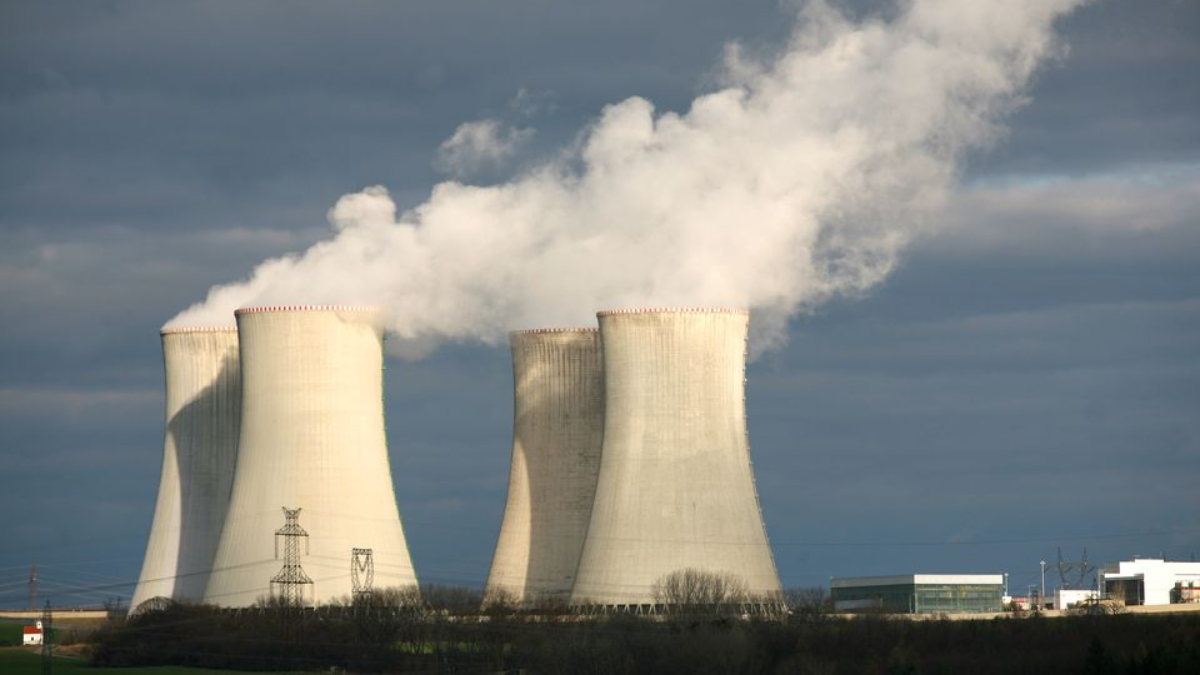
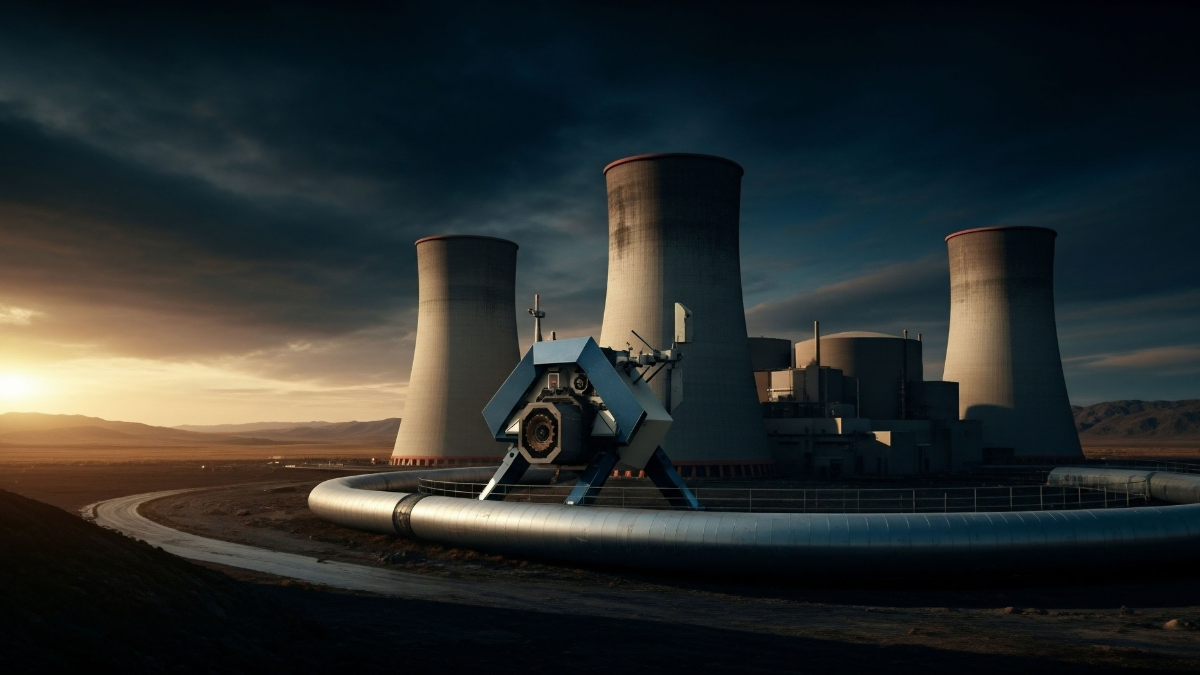
When the Czech government signed a €18 billion contract with South Korea’s KHNP last June to build two new reactors at Dukovany, officials in Prague presented it as a historic turning point. Construction is scheduled to begin in 2029, with the first unit due online by 2036.
What received less fanfare was the financial structure underpinning the deal: state loans covering 70 to 80 percent of the project cost, a level of public exposure that critics say deserves more scrutiny than it has received.
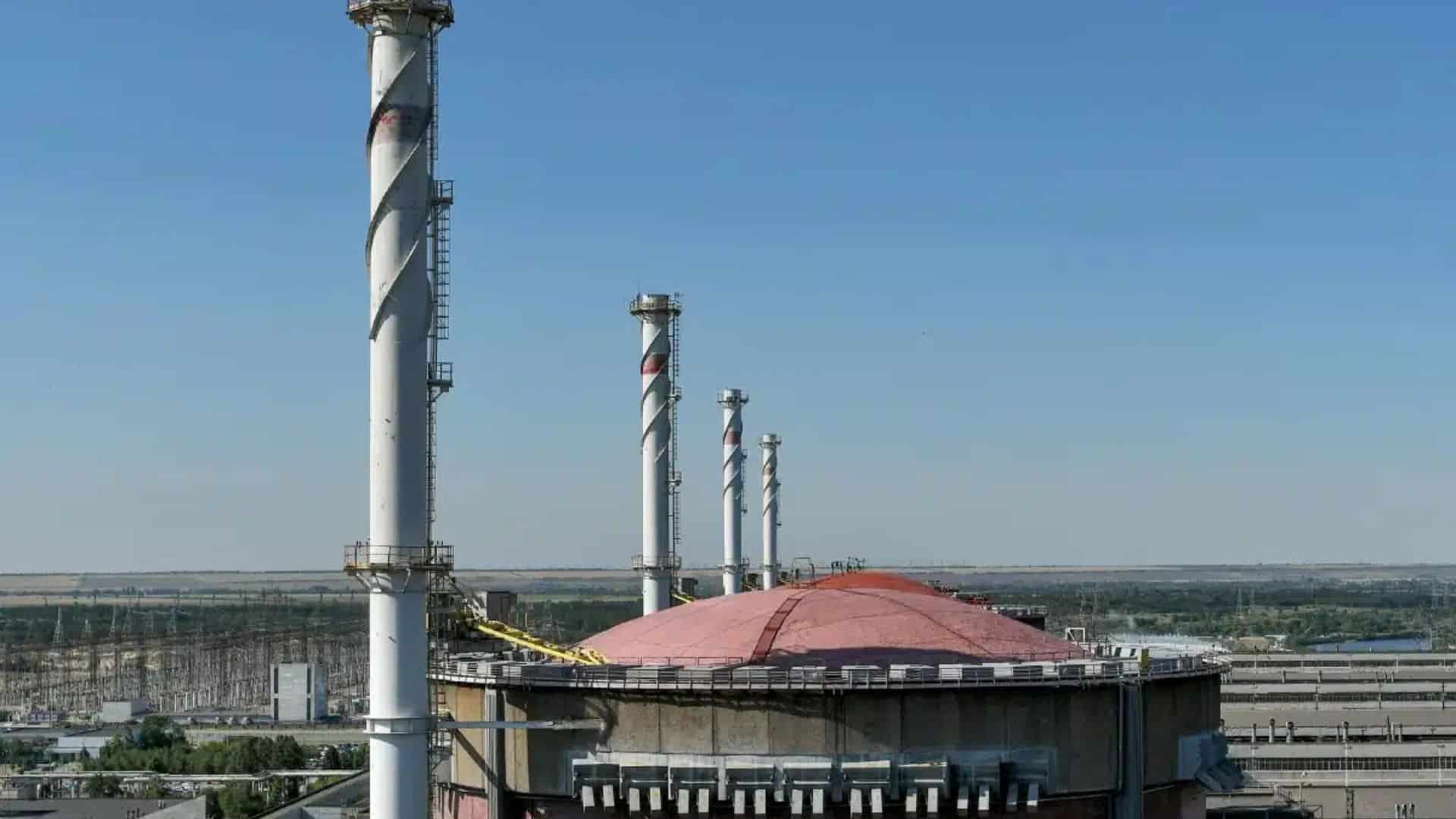
The Czech Republic already draws roughly 40 percent of its electricity from nuclear power, generated by six reactors across two sites, Dukovany and Temelín. The government’s updated National Energy and Climate Plan sets a target of 68 percent nuclear electricity by 2040 — a proportion that would place Czechia, per capita, alongside France, Europe’s long-standing atomic giant. The scale of that ambition, from a country of 10.5 million people, is not in dispute. Whether the roadmap to achieve it is realistic is another matter.
A Korean solution to a European problem
The selection of KHNP over France’s state-owned EDF was, by any measure, a significant verdict on the competitiveness of the European nuclear industry. EDF’s EPR reactor design has been dogged by delays and cost overruns — most visibly at Flamanville, in France, and Olkiluoto, in Finland — while South Korea’s construction record at home has been markedly more reliable.
Prague chose on price and performance. The decision was rational, but it raised pointed questions about Europe’s ability to deliver on its own nuclear revival using European technology and supply chains.
The financial architecture of the deal has received European Commission approval under state aid rules, and state-owned utility CEZ, which controls 70 percent of Czech electricity generation, will act as the primary vehicle for the investment.
Beyond Dukovany, the government has also signed a preliminary agreement with Rolls-Royce — finalised on April 24 — targeting approvals for small modular reactors by 2030 and a total new capacity addition of up to 2,570 megawatts.
Crisis as justification
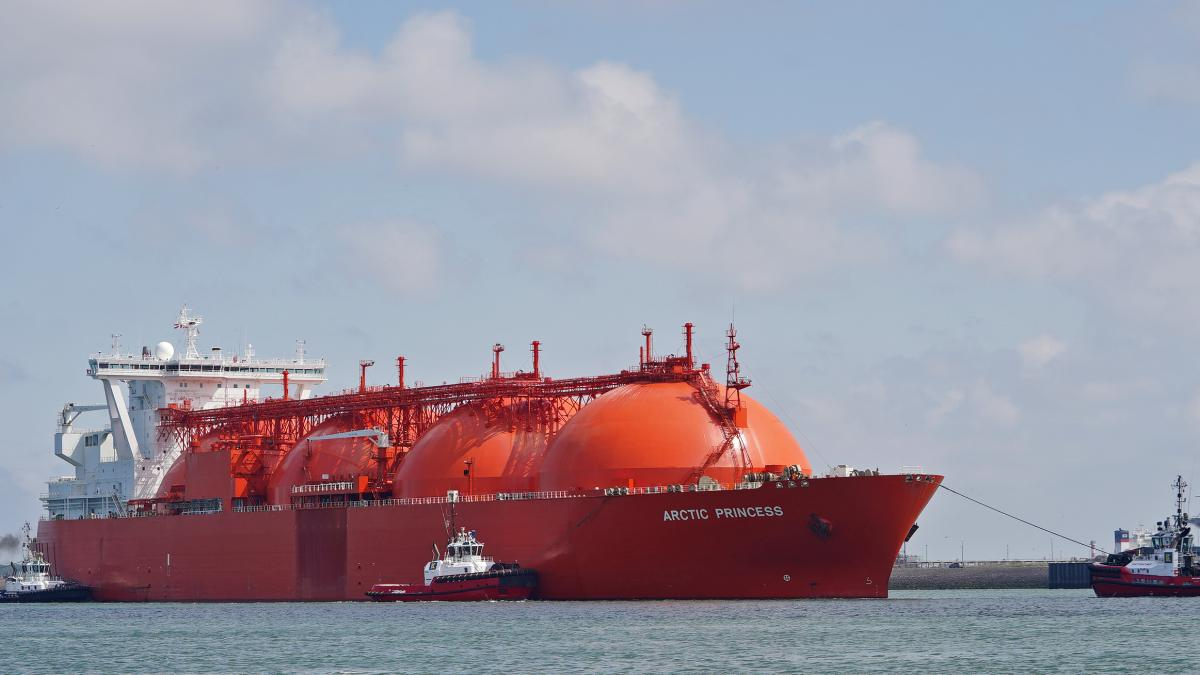
The strategic rationale for the expansion has been sharpened by successive energy shocks. Russia’s invasion of Ukraine in 2022 fractured the continent’s assumptions about cheap gas imports. More recently, disruption to LNG flows following the Iran conflict and the closure of the Strait of Hormuz has sent fresh tremors through European energy markets.
European Commission President Ursula von der Leyen has described earlier decisions to scale back nuclear capacity as a “strategic mistake.” Brussels, for its part, has announced a €330 million investment package for SMR development across the bloc.
For Prague, these crises have not changed the direction of travel so much as they have accelerated it. The government points to rising electricity demand from data centres and electric vehicle infrastructure as additional justification for investment in stable, baseload capacity — the kind that wind and solar, at current deployment levels, cannot reliably provide.
Dissenting voices carry weight
“The nuclear projects that have been finished in Europe in recent years have been quite expensive and quite lengthy. The question is: can political push change that? I personally have my doubts.”Alexander Roth, Bruegel think tank
Alexander Roth, an energy policy analyst at the Brussels-based Bruegel think tank, does not dismiss nuclear power as a decarbonisation tool — but he urges caution about what Czech ambition can deliver.
His argument is structural: political will, however genuine, has not historically insulated nuclear projects from the economic forces that drive delays and cost escalation. He also raises a question of sequencing.
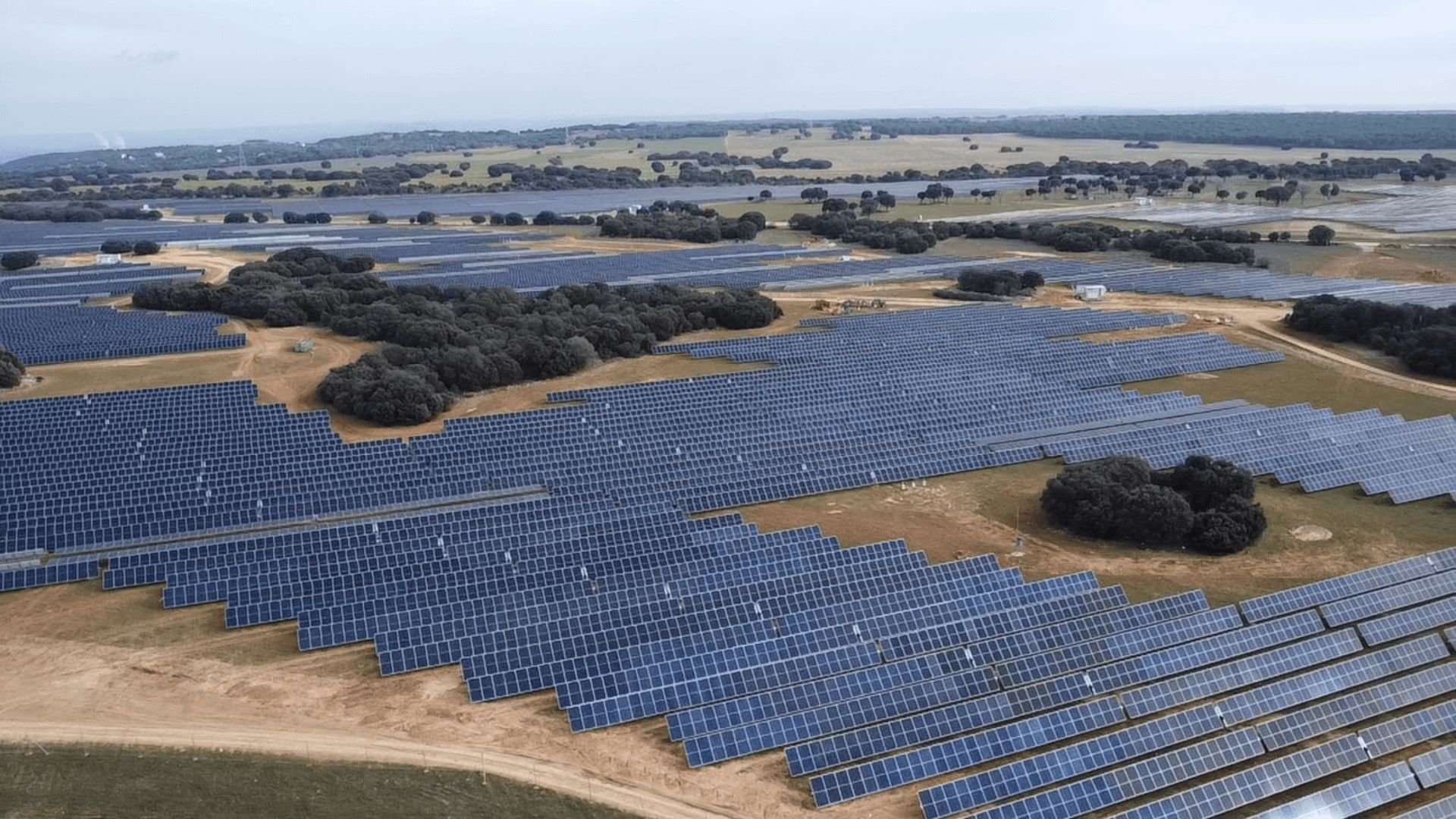
Solar and wind capacity can be built, contracted, and delivering power in a fraction of the time required to commission a new reactor. Europe’s fastest path off fossil fuels, he contends, may not run through a decade-long construction programme.
Those concerns are not without evidence. Austria has launched legal challenges against the European Commission’s approval of state aid for the Dukovany contract. A final decision on a long-term nuclear waste repository — a legally required step — must be made before the end of the decade. And cost overruns remain a standing risk in large infrastructure projects, even with a contractor whose track record is comparatively clean.
Prague leads, the Visegrád bloc watches
Within the Visegrád Group — the alliance of Czechia, Hungary, Poland and Slovakia — Prague’s contract with KHNP has set a precedent. All four countries operate reactors; all four are pursuing expansion.
Czech procurement has now provided a template for state financing and international contracting that Hungary and Slovakia are examining closely. Whether that template proves durable will depend largely on whether Dukovany proceeds on time and within budget.
Public support for nuclear energy in Czechia stands at between 71 and 78 percent, among the highest figures recorded anywhere in Europe. That political consensus has given successive governments the headroom to advance projects of scale and cost that would generate far greater resistance elsewhere.
Whether the consensus holds through a decade of construction, potential setbacks, and fiscal exposure is the more important long-term question.