Brussels weighs EU-wide social media age restrictions for minors ahead of summer deadline
The European Commission is preparing to enter what may prove the most politically charged debate of its digital agenda: whether to impose a bloc-wide minimum age for access to social media platforms.
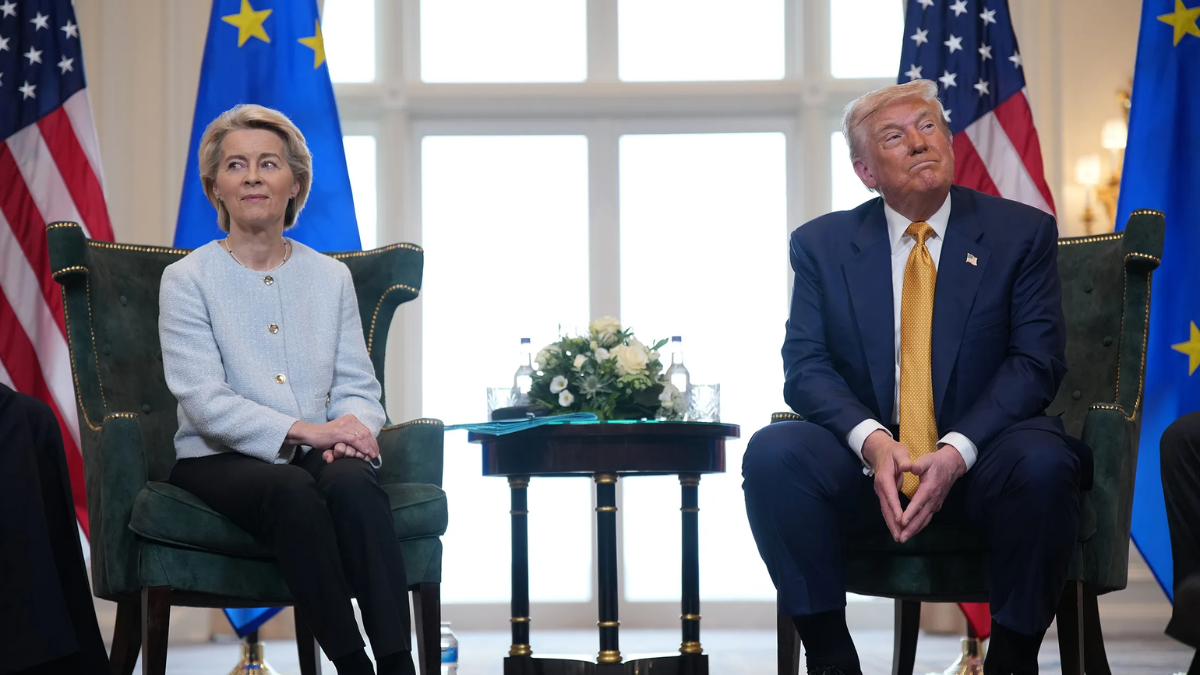
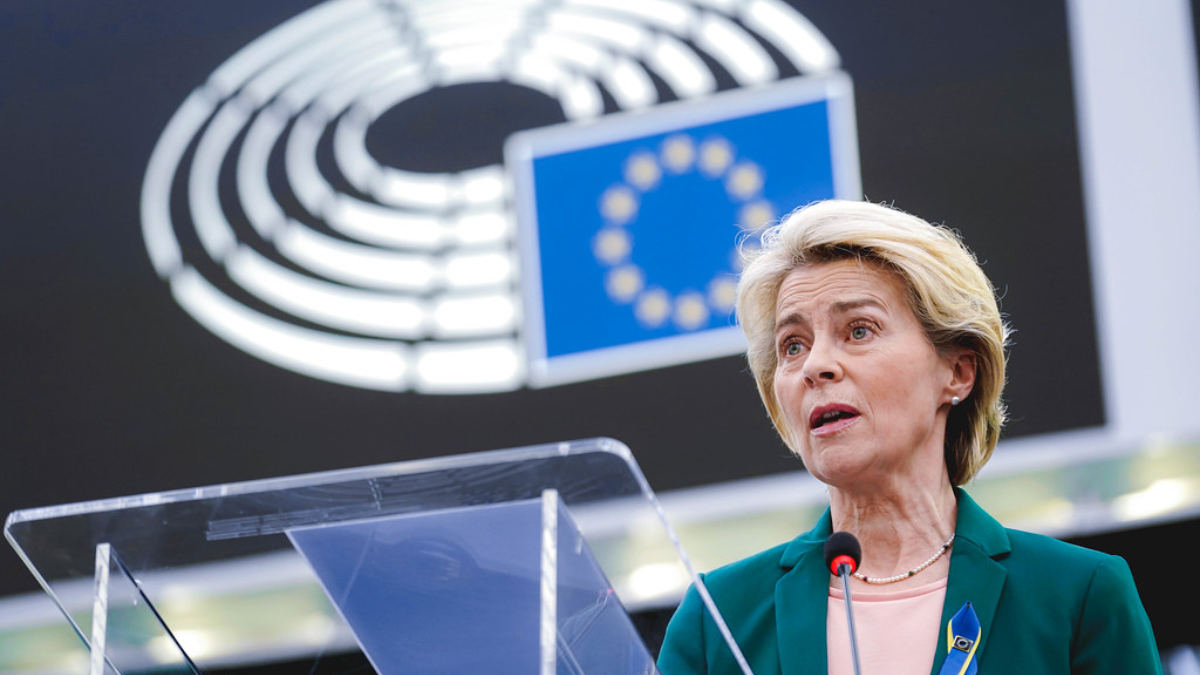
Commission President Ursula von der Leyen signalled on Tuesday that a formal legislative proposal could arrive as early as this summer — a timeline that, if met, would place Brussels ahead of similar national measures already advancing in several member states.
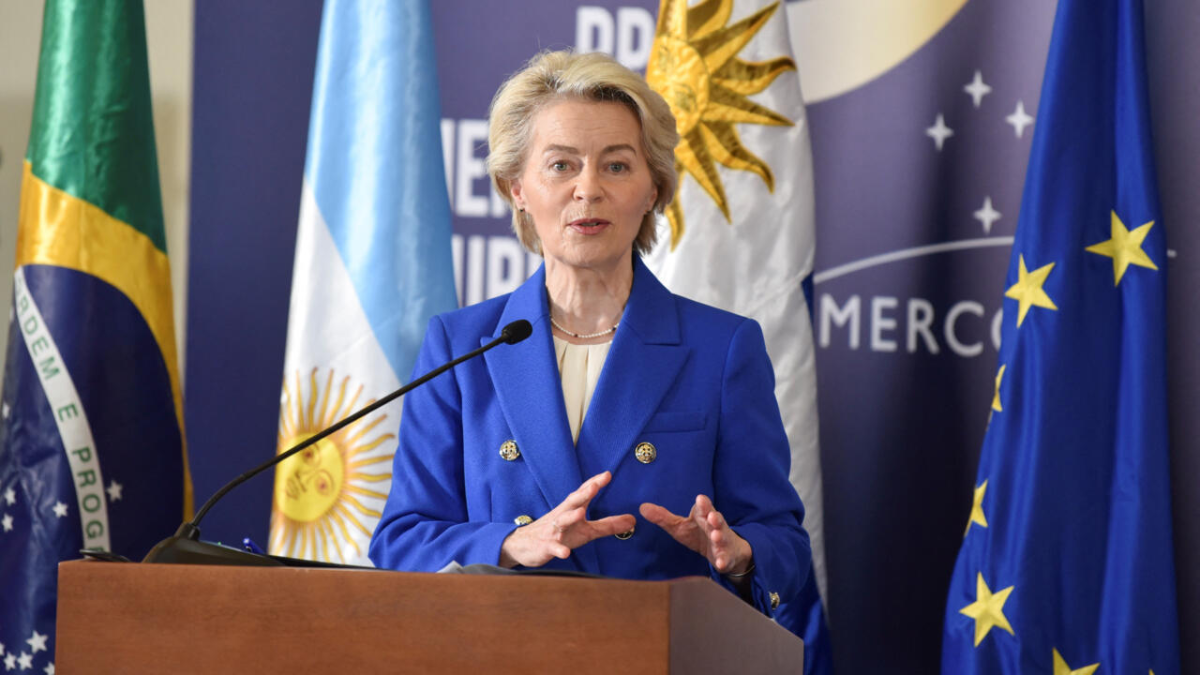
Speaking at the European Summit on Artificial Intelligence and Children in Copenhagen, von der Leyen framed the issue in urgent terms. “We are witnessing the lightning speed at which technology is advancing — and how it penetrates every corner of childhood and adolescence,” she told delegates.
The summit served as the backdrop for what amounted to the Commission’s clearest signal yet that a regulatory intervention is forthcoming.
“Discussions about a minimum age for social media can no longer be ignored.”
Ursula von der Leyen, President of the European Commission
The political momentum behind the proposal has been building steadily. France, Spain, Greece and Denmark have emerged as the most vocal proponents of stronger EU-level protections, each citing concerns about platform addiction, social anxiety and the erosion of children’s wellbeing.
Several of these governments have already moved toward national legislation, creating pressure on the Commission to act — and to act in a way that prevents the bloc’s single market from fragmenting under divergent rules.
Von der Leyen has tasked an independent expert panel with assessing the technical and policy options available. “Without pre-empting the panel’s findings, I believe we must consider a social media delay,” she said, adding that a legislative proposal could follow “depending on the results.”
The panel’s mandate covers a range of concerns linked to minors’ online experiences, including addictive design practices and the psychological consequences of early and unrestricted platform use.
One of the central technical challenges confronting any EU-wide regime is age verification. Von der Leyen referenced a proposed EU digital identity application modelled on the bloc’s COVID-19 certificate system as a possible solution.
The Commission has formally recommended the tool to member states, but uptake has been limited. Governments have approached the proposal cautiously, and cybersecurity specialists have flagged potential vulnerabilities in any centralised verification infrastructure of this kind.
The Commission’s proposed timeline is not without strategic calculation. Moving before France’s September deadline would allow Brussels to set the terms of a harmonised framework rather than react to rules already in force in its largest member states.
That sequencing matters: once national laws take effect, aligning them retroactively with an EU standard becomes considerably more complex, both politically and legally.
Von der Leyen closed her Copenhagen remarks with a pointed appeal for urgency. “We all know that sustainable change does not happen overnight,” she said. “But if we are slow and hesitant, it will be another entire generation of children that pays the price.”
Whether that rhetoric translates into binding legislation before summer recess remains, for now, an open question — though the direction of travel appears, for the first time, largely settled.