Middle east ceasefire lowers energy prices in Europe, relief still delayed
The announcement of a temporary ceasefire involving the United States, Israel, and Iran has sent global energy markets into immediate retreat, with oil and gas prices falling sharply. While the development has raised expectations of lower household energy bills, analysts caution that consumers are unlikely to feel the impact in the short term.
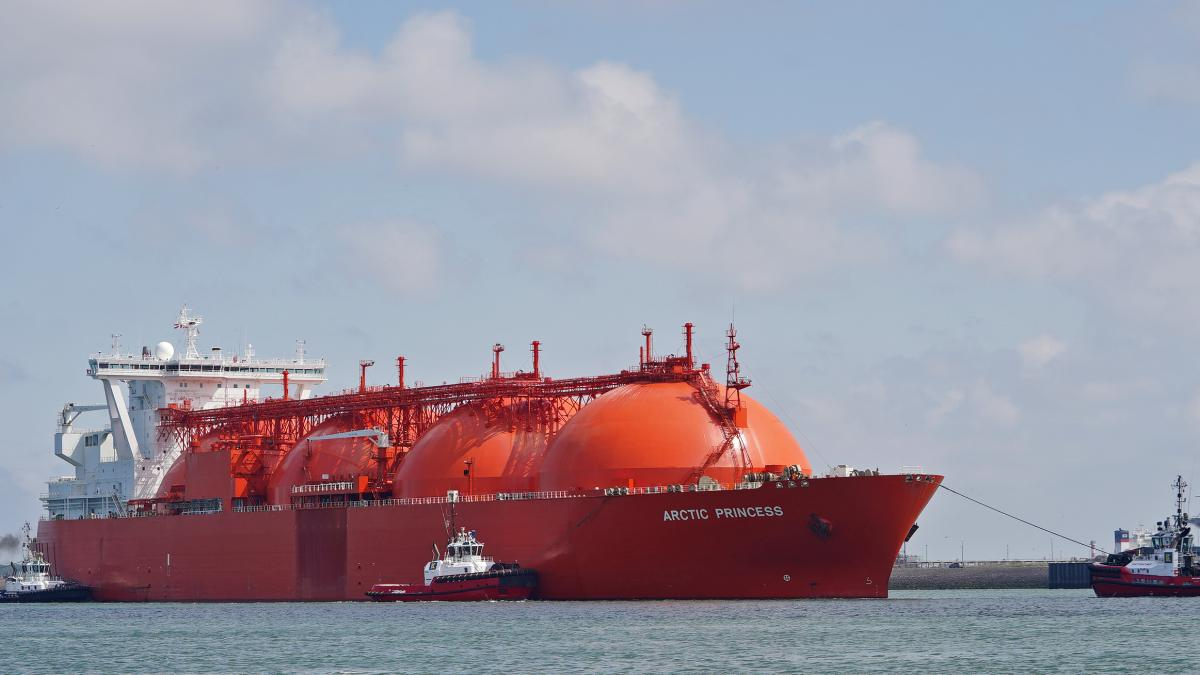
European gas prices dropped by nearly 20% following the news, while Brent crude also recorded a notable decline. The agreement includes Iran’s decision to reopen the Strait of Hormuz, a vital shipping route responsible for around one-fifth of global oil and liquefied natural gas flows. This move has eased concerns over supply disruptions and restored some confidence to international markets.
Delayed impact on household bills
Despite the rapid market reaction, the translation of lower wholesale prices into consumer savings is expected to be gradual. Energy suppliers typically rely on forward purchasing strategies, securing gas and electricity months in advance to shield customers from volatility. As a result, it may take between six and nine months before reduced costs are reflected in household bills.
Fixed-rate contracts could further delay any relief, as consumers locked into long-term agreements will not benefit until those contracts expire.
Uncertainty surrounding the durability of the ceasefire remains a key concern for markets. Market stability will largely depend on whether the agreement evolves into a longer-term resolution and whether shipping activity through the Strait of Hormuz can fully resume. Major logistics firms have already stressed the need for clear and secure navigation conditions before restoring normal operations.
Mixed outlook across energy markets
Experts remain divided on the broader outlook. Some see the ceasefire as a potential turning point that could rebalance global gas markets, particularly if stranded LNG shipments are able to re-enter circulation. Others warn that lingering geopolitical risks and infrastructure damage in key exporting countries could keep prices elevated.
Recent strikes on energy facilities in Qatar and the United Arab Emirates have disrupted production capacity, with significant repairs required before output can return to normal levels. Even under stable conditions, rebuilding supply chains is expected to take time.
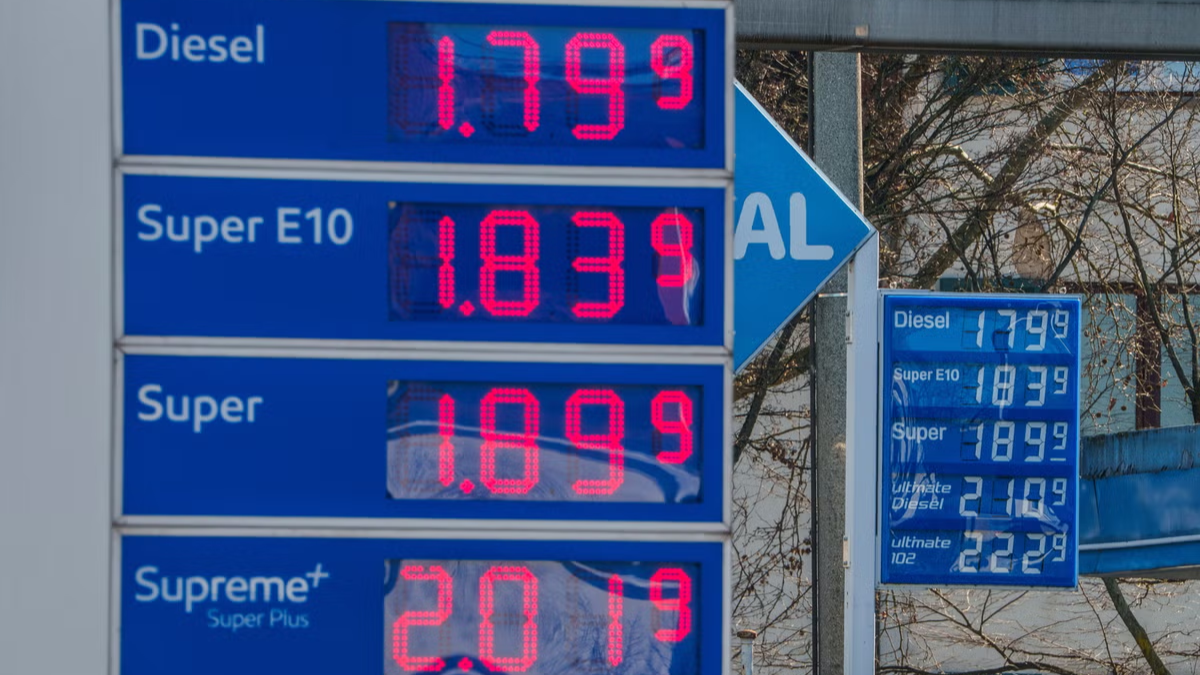
In contrast, fuel prices at the pump may respond more quickly. Industry representatives suggest that if crude oil prices stabilise at lower levels, consumers could see reductions in petrol and diesel costs within days or weeks. However, electricity prices, which are more closely tied to long-term supply contracts, are likely to remain high for longer.
While the ceasefire has brought a degree of optimism to global markets, its real impact will depend on whether it holds. For now, the prospect of lower energy bills remains on the horizon, but not yet within reach.