EU energy crisis: Hungarian veto blocks aid to Ukraine
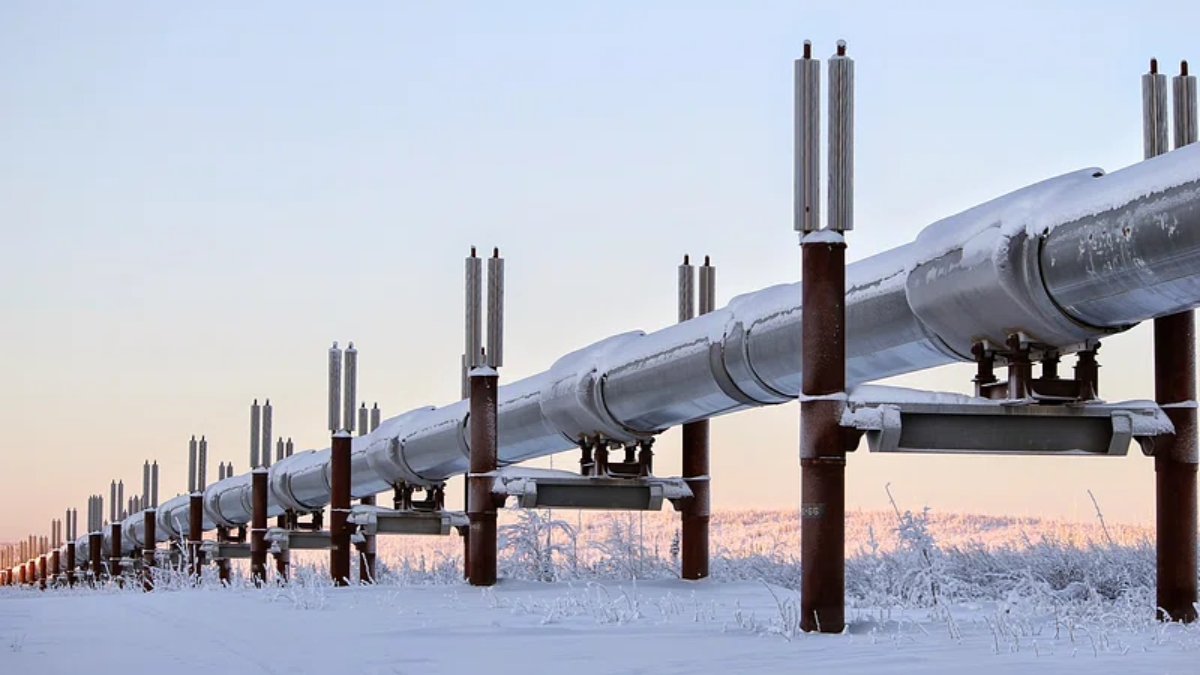
The European Commission has urged Ukraine to speed up repairs to the Druzhba oil pipeline, following damage blamed on Russian attacks that disrupted supplies to Central Europe and triggered a political standoff inside the bloc.
The issue has taken on broader significance after Hungary used its veto power to block both a €90 billion EU loan for Kyiv and a new sanctions package against Moscow, citing concerns over energy security.
Adria pipeline presented as alternative
During a meeting of technical experts in Brussels, officials pointed to Croatia’s Adria (JANAF) pipeline as the most realistic short-term alternative for supplying oil to Hungary and Slovakia while Druzhba remains offline.
Croatia confirmed that non-Russian crude is already flowing northward through the Adria route, which connects the Adriatic coast to refineries in Central Europe. According to the Commission, the pipeline has sufficient annual capacity to cover the needs of both countries.
“At this stage, there is no immediate risk to the EU’s security of supply,” a Commission spokesperson said, emphasising that contingency routes are operational.
However, Budapest and Bratislava have made clear that their preference remains the cheaper Russian crude traditionally delivered through Druzhba, for which they currently benefit from a sanctions exemption.
Political tensions escalate
The disruption has unfolded against a tense political backdrop. Hungarian Prime Minister Viktor Orbán has framed the interruption as politically motivated, accusing Kyiv of exerting pressure and warning that Hungary “cannot be blackmailed.”
Slovakia has echoed concerns, while both governments have drawn on emergency oil reserves — stocks that under EU law must cover at least 90 days of net imports.
For its part, Ukraine has said repair works are ongoing but complicated by continued security risks. In a document shared with EU officials, Kyiv noted that restoration efforts are proceeding “amid daily threats of renewed missile attacks.”
President Volodymyr Zelenskyy has avoided committing to a firm timeline, arguing that repairing strategic infrastructure under active threat carries significant risks for workers on the ground.
Sanctions and loan in limbo
The pipeline dispute has overshadowed efforts by Ursula von der Leyen to secure final approval for the €90 billion financial package and a 20th round of sanctions against Russia ahead of the fourth anniversary of the full-scale invasion.
Brussels now finds itself balancing two priorities: ensuring uninterrupted energy flows to member states while maintaining economic pressure on Moscow and delivering urgently needed financial support to Kyiv.
EU officials privately express hope that a pragmatic compromise will emerge, allowing Druzhba repairs to advance while alternative routes keep oil flowing — and political blockages inside the bloc are eventually lifted.
With Hungary’s general election approaching in April, the energy dispute has become entangled with domestic politics, further complicating negotiations at EU level.
For now, the Commission’s message is clear: alternatives exist, supplies are stable, and repairs must move forward — even if the broader geopolitical standoff remains unresolved.