US launches review of European force posture to shift NATO defense burden
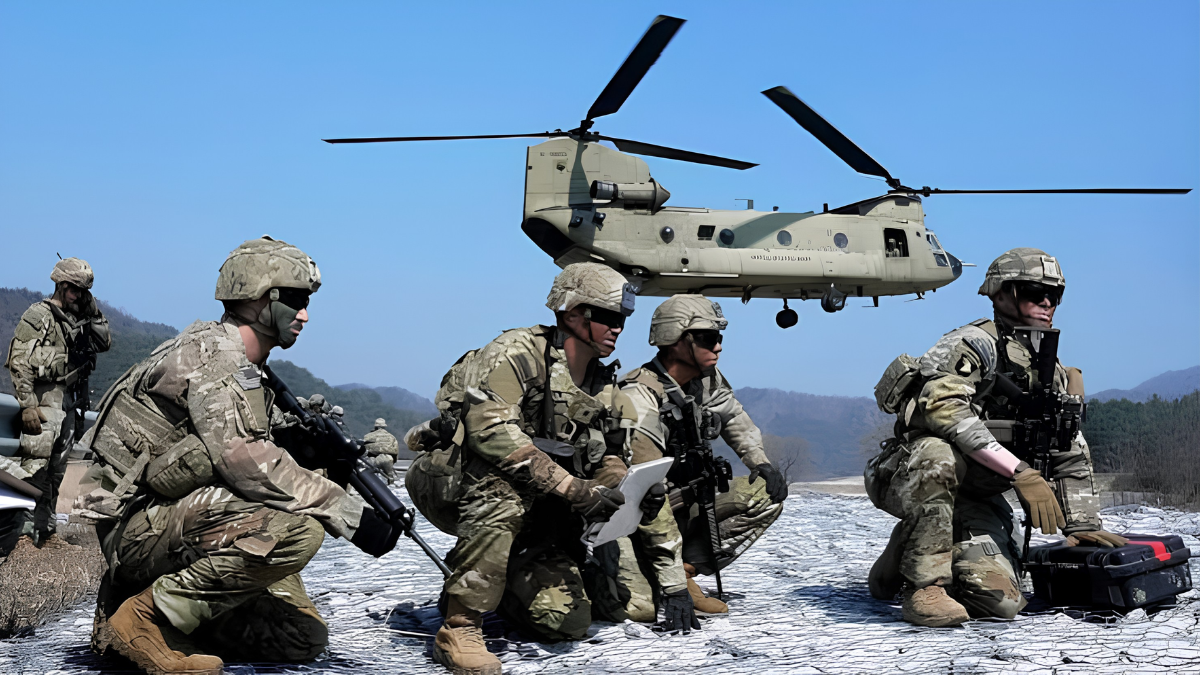
The United States has officially launched a comprehensive review of its military presence in Europe, signaling that Washington expects European NATO allies to rapidly assume primary responsibility for the continent’s conventional defense.
In an announcement on Monday, US Under Secretary of Defense Elbridge Colby stated that the Pentagon has initiated the Europe Posture Review following initial commitments outlined by Defense Secretary Pete Hegseth at a recent NATO defense ministers’ meeting in Brussels.
Writing on social media platform X, Colby confirmed that the initiative will be a “real review” designed to ensure that NATO moves “fast and irreversibly toward Europe taking primary responsibility for its conventional defense.”
The outcome, Colby added, will accelerate NATO’s transition toward what the administration terms “NATO 3.0” — a stronger, more equitable, and sustainable warfighting organization aligned with Washington’s 2025 National Security Strategy and 2026 National Defense Strategy.
The review comes amid heightened transatlantic friction, with the Trump administration repeatedly criticizing European allies over their defense spending levels and their response during the conflict in Iran, including restrictions imposed by some European governments on the use of local bases by US forces.
While Washington maintains that it is not abandoning the transatlantic alliance, the Pentagon has already begun reducing the volume of military assets pre-assigned to NATO planning structures. Reductions are expected to impact key capabilities where European militaries have historically relied on US support, including air-to-air refueling, long-range strike capabilities, and high-altitude surveillance drones such as the MQ-4 and MQ-9.
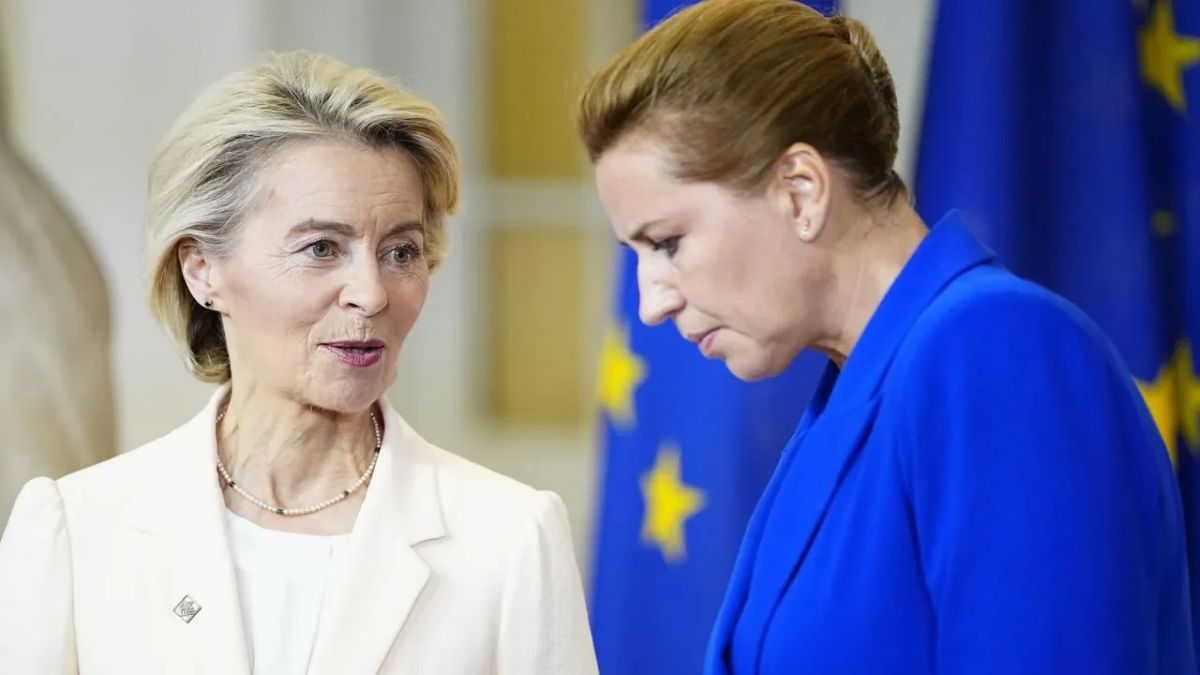
European leaders have acknowledged the strategic shift, reiterating the urgent need to bolster the continent’s sovereign defense industrial base. German Chancellor Friedrich Merz and European Commission President Ursula von der Leyen have both called for accelerated defense investments, while NATO Secretary General Mark Rutte stressed that the alliance must become “more European” while preserving its vital transatlantic core.
Colby noted that the Pentagon will develop force posture options in close consultation with Gen. Alexus Grynkewich, NATO’s Supreme Allied Commander Europe, alongside European allies, the US Congress, and interagency partners in Washington over the coming months.