The European Commission has launched a new entity aimed at tackling what it describes as foreign information manipulation, marking a significant expansion of Brussels’ role in coordinating responses to disinformation across the bloc.
The initiative, presented as part of the “European Democracy Shield”, introduces the European Centre for Democratic Resilience, a structure designed to enhance cooperation among member states in addressing perceived threats to electoral processes and public debate.
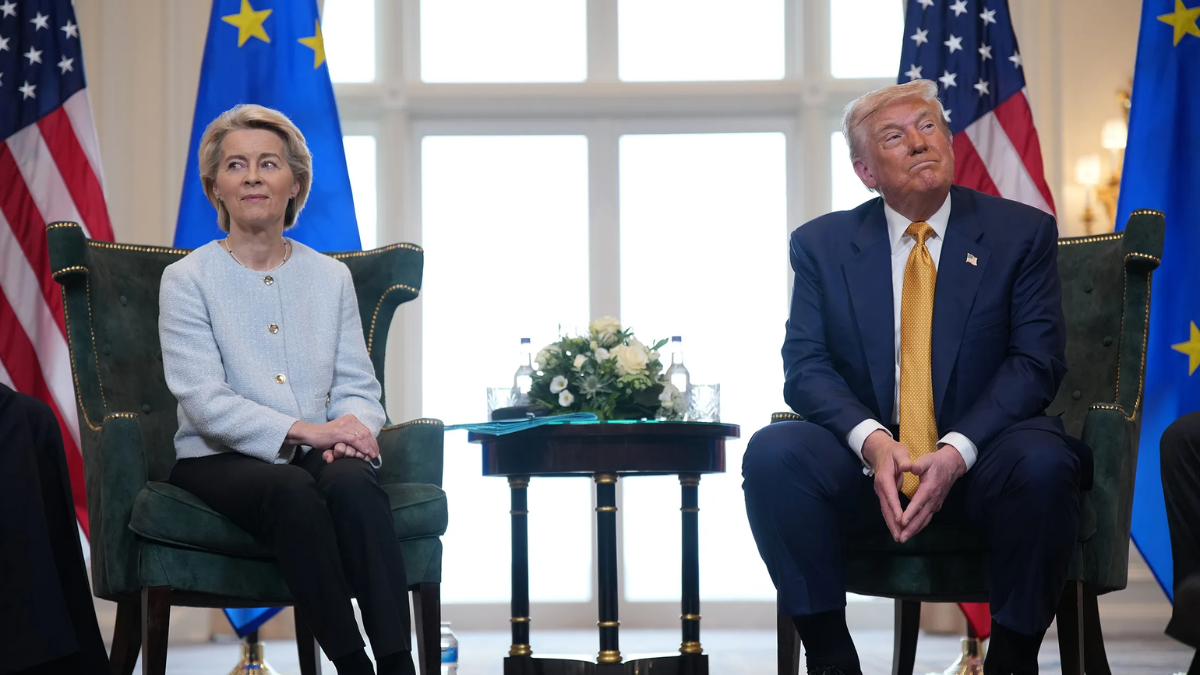
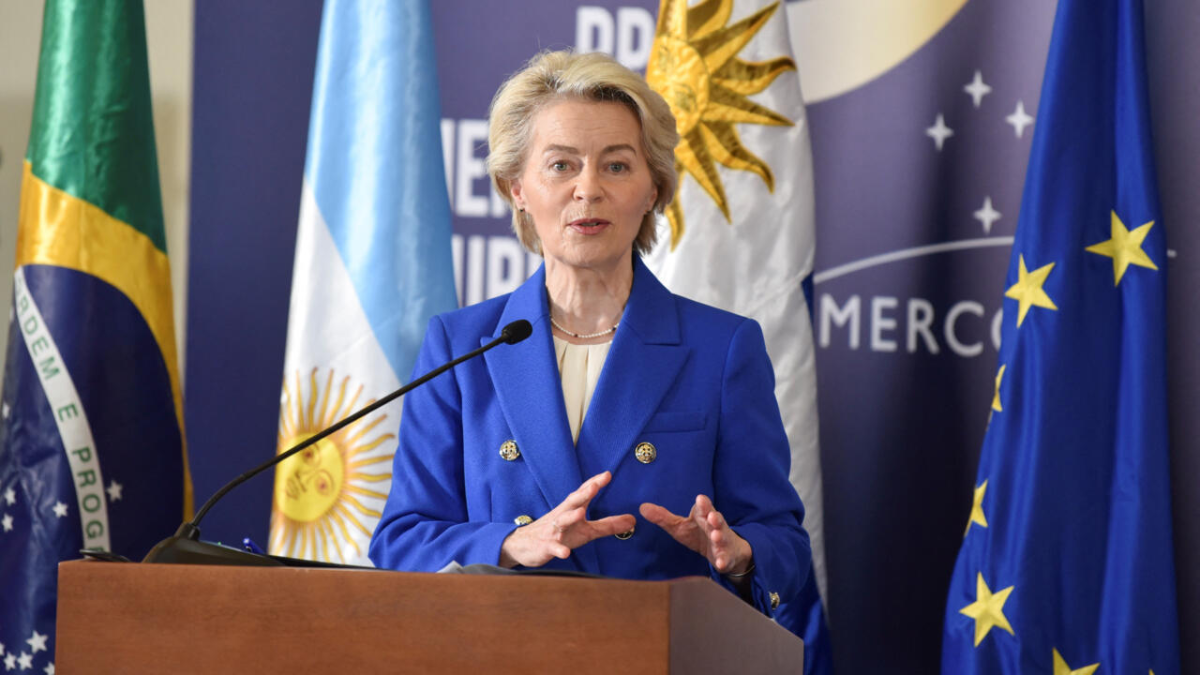
Speaking at the General Affairs Council, Justice Commissioner Michael McGrath said the new framework seeks to improve preparedness against foreign interference. Commission President Ursula von der Leyen argued that in the current geopolitical climate, information can be “weaponised”, requiring stronger safeguards to preserve open and fair democratic discourse.
Broader coordination role
Beyond information sharing, the Centre is expected to coordinate efforts related to what the Commission terms “resilient elections”. Its mandate includes drafting a common European strategy against manipulation, strengthening collaboration with media organisations and digital platforms, and facilitating citizen panels under EU oversight.
The Commission will provide administrative backing through its secretariat and increase coordination with the European External Action Service and the EU’s Rapid Alert System, which monitors disinformation campaigns. This structure effectively places Brussels at the centre of defining and responding to information-related risks.
While the Commission insists that the new body will operate in full respect of national competences, its centralised architecture has prompted debate over the balance between EU-level coordination and member state sovereignty, particularly in areas traditionally linked to domestic electoral administration.
According to recent Eurobarometer data, 42% of Europeans view foreign manipulation as a serious threat to democracy. However, critics note that definitions of “manipulation” remain politically sensitive and open to interpretation.
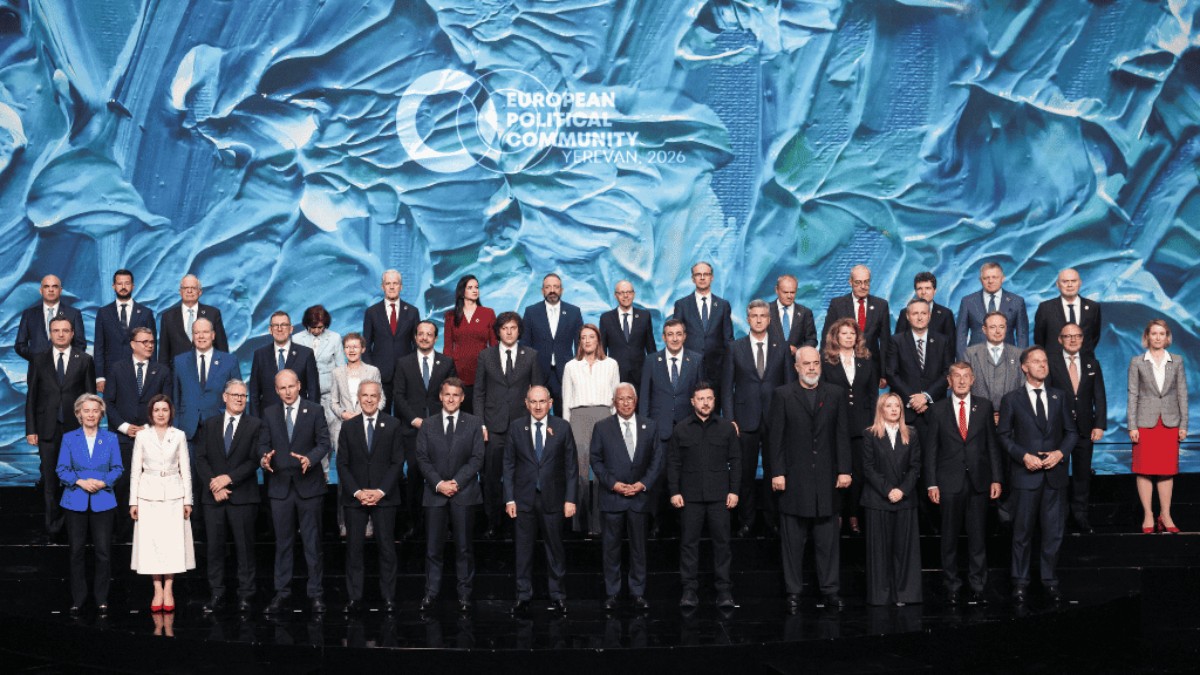
The Centre’s activities will also extend to EU candidate countries, aligning them with EU standards on information integrity even before formal accession.
As geopolitical tensions persist, the creation of the new body underscores Brussels’ intention to take a more proactive role in safeguarding democratic processes, while debates continue over the scope and limits of such oversight.