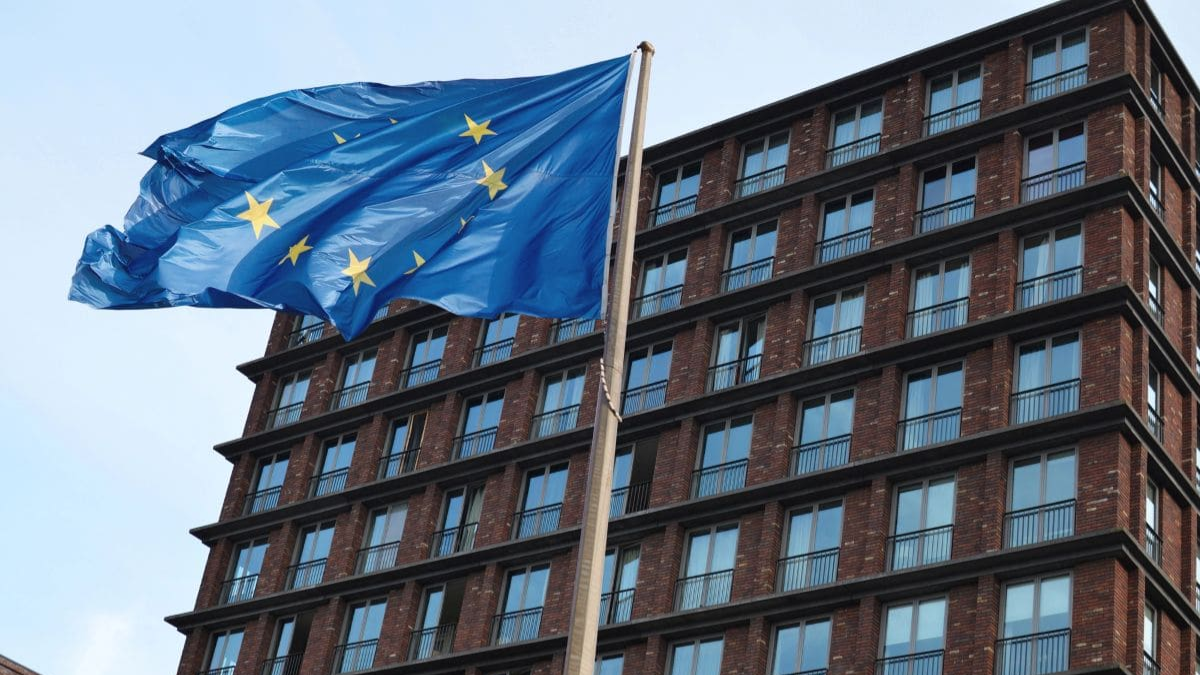
The European Union is prepared to move ahead with additional sanctions against Russia, including a sweeping restriction on maritime services for oil tankers, even if a coordinated agreement with G7 partners proves elusive.
Speaking after a meeting of EU finance ministers in Brussels, Economy Commissioner Valdis Dombrovskis indicated that while coordination with allies remains preferable, it is not a strict prerequisite for action at EU level.
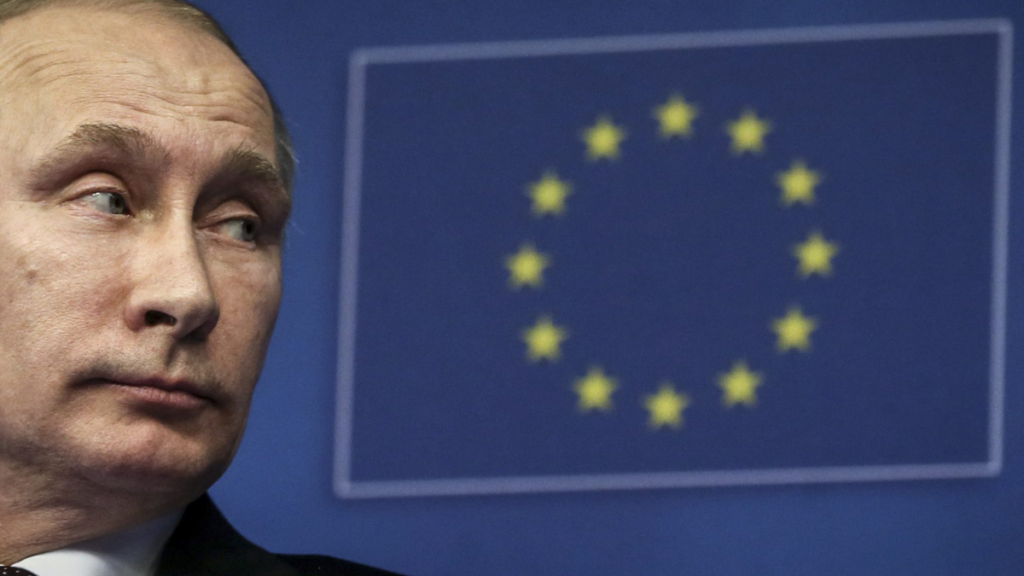
Brussels is aiming to approve a 20th package of sanctions before 24 February, marking four years since Russia’s full-scale invasion of Ukraine. The proposed measures would significantly escalate economic pressure on the Kremlin.
At the centre of the discussions is a potential full prohibition on EU companies providing maritime services to Russian oil tankers. If implemented, the measure would effectively supersede the G7 price cap mechanism within EU jurisdiction, since European firms would no longer be permitted to service Russian crude shipments at any price.
The oil price cap, introduced in late 2022, currently limits sales of Russian crude to $44.10 per barrel when supported by Western shipping and insurance services.
Coordination preferred, but not essential
Dombrovskis stressed that the Commission has briefed G7 partners on the proposed steps, noting that collective action would amplify the impact. However, he made clear that the EU would not hold back indefinitely if broader alignment failed to materialise.
Several members of the price cap coalition, including the United Kingdom, Canada and Australia, confirmed they were aware of the EU proposal and said discussions remain ongoing. The United States and Japan have yet to publicly signal their positions.
Diplomatic negotiations among EU ambassadors are continuing throughout the week. While there is political momentum to meet the symbolic 24 February deadline, officials acknowledge that final agreement could take longer if divisions persist.
Greece, home to one of the world’s largest shipping industries, has reportedly expressed reservations. According to diplomats, Athens is concerned that a unilateral EU move could shift maritime business toward competitors in India or China, while strengthening Russia’s so-called “shadow fleet” and encouraging vessel reflagging practices.
Sweden’s Finance Minister Elisabeth Svantesson said coordination remains the preferred route but underlined the need for determination. “The more partners involved, the stronger the impact,” she said, while signalling that action should not be postponed indefinitely.
Focus on circumvention channels
Beyond maritime restrictions, the proposed sanctions package includes the potential activation of the EU’s Anti-Circumvention Tool for the first time. The mechanism is designed to curb the re-export of sensitive goods to Russia through third countries.
Kyrgyzstan has come under scrutiny in this context. EU trade data show a sharp rise in exports of machinery and transport equipment to the Central Asian country since 2022, fuelling concerns that certain products could be diverted to Russia.
In 2021, EU exports to Kyrgyzstan stood at €263 million. By 2024, that figure had risen to €2.5 billion, with machinery accounting for a substantial share.
Any activation of the Anti-Circumvention Tool would require unanimous approval from all 27 EU member states. Previous attempts to deploy the mechanism did not secure sufficient backing.
The push for new sanctions coincides with ongoing diplomatic talks involving Ukrainian, Russian and US officials. Many European leaders remain sceptical about Moscow’s willingness to make meaningful concessions, arguing that sustained economic pressure remains necessary.
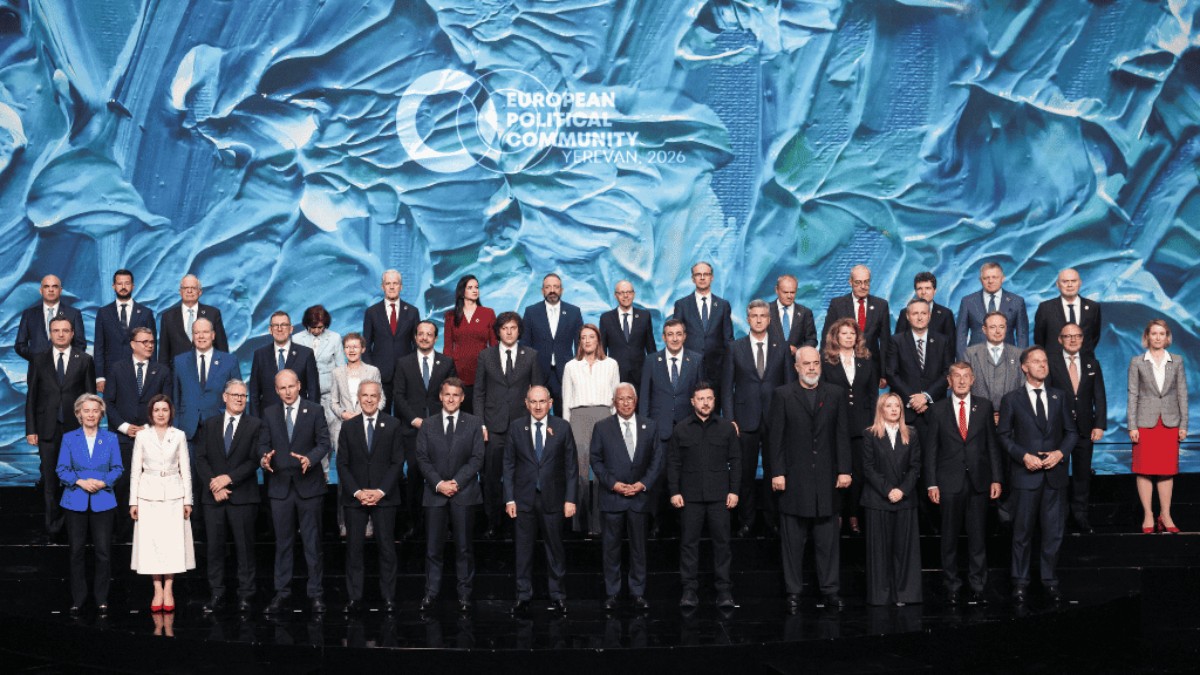
European Commission President Ursula von der Leyen and European Council President António Costa are expected to travel to Ukraine on 24 February in a show of continued political support.
As debates intensify, the EU faces a strategic decision: whether to prioritise unity with global partners or advance sanctions independently to maintain pressure on Russia’s energy revenues.