The European Union is preparing to call on Israel to reverse recently approved legislation permitting the death penalty for certain offences, warning that the measure represents a significant departure from previous commitments.
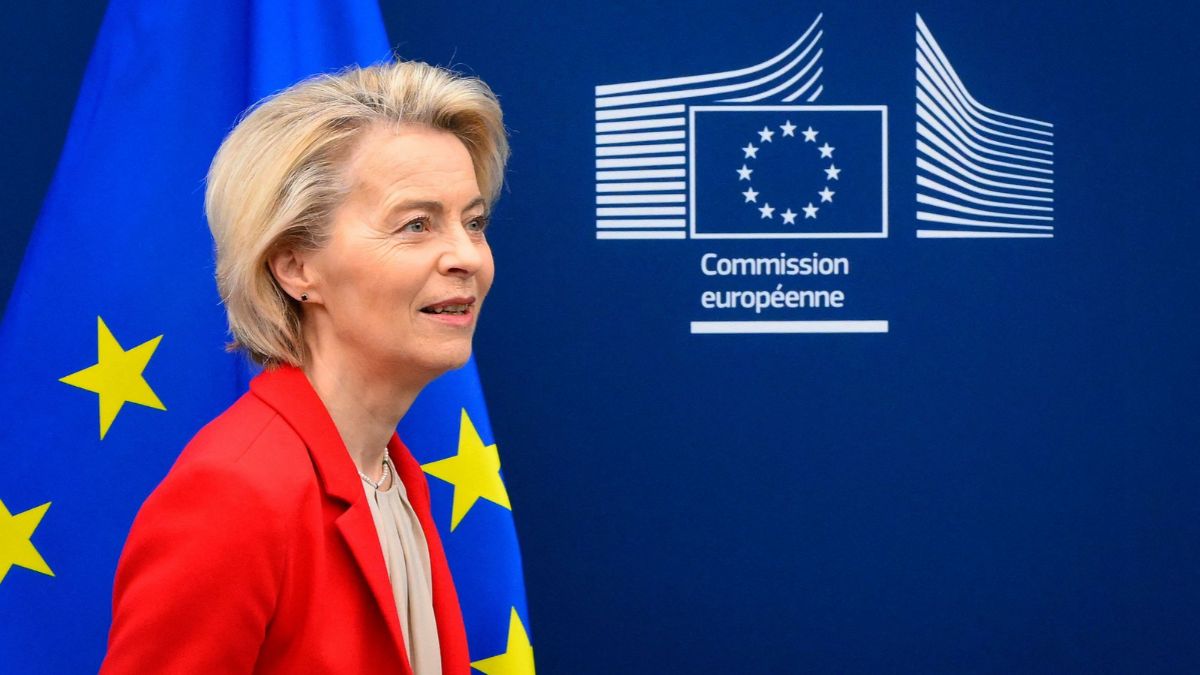
According to a draft statement, EU foreign policy chief Kaja Kallas is expected to describe the law as a “grave regression” in relation to Israel’s obligations under international law and its agreements with the bloc.
The text, set to be issued on behalf of all 27 EU member states, expresses concern over what officials view as the potentially discriminatory impact of the legislation.
The EU is also expected to reiterate its long-standing opposition to capital punishment, emphasising that the death penalty violates fundamental rights, including the right to life.
New law raises legal and ethical concerns
The legislation, approved by the Israeli parliament (Knesset), allows courts to impose death sentences for offences linked to terrorism or actions deemed to threaten the existence of the state.
Legal analysts have raised concerns that the measure could be applied disproportionately, particularly in cases involving Palestinian defendants.
Under the new framework, courts would have broader authority to issue death sentences, potentially without requiring a formal request from prosecutors. In some cases, execution could become the default outcome unless exceptional circumstances are recognised.
The law also introduces stricter detention conditions for those sentenced, including limited contact with family members.
EU reiterates opposition to capital punishment
European officials note that Israel has historically maintained a de facto moratorium on executions, positioning itself differently from other countries in the region.
Executions in Israel have been extremely rare, with only two recorded cases since the country’s founding.
The EU’s draft statement argues that capital punishment does not provide a proven deterrent effect and raises serious concerns due to the irreversibility of judicial errors.
Member states are currently reviewing the draft text, with final wording expected to be agreed following consultations in Brussels.
The issue adds to a growing list of sensitive topics in EU–Israel relations, as European institutions seek to balance diplomatic engagement with concerns over human rights and legal standards.