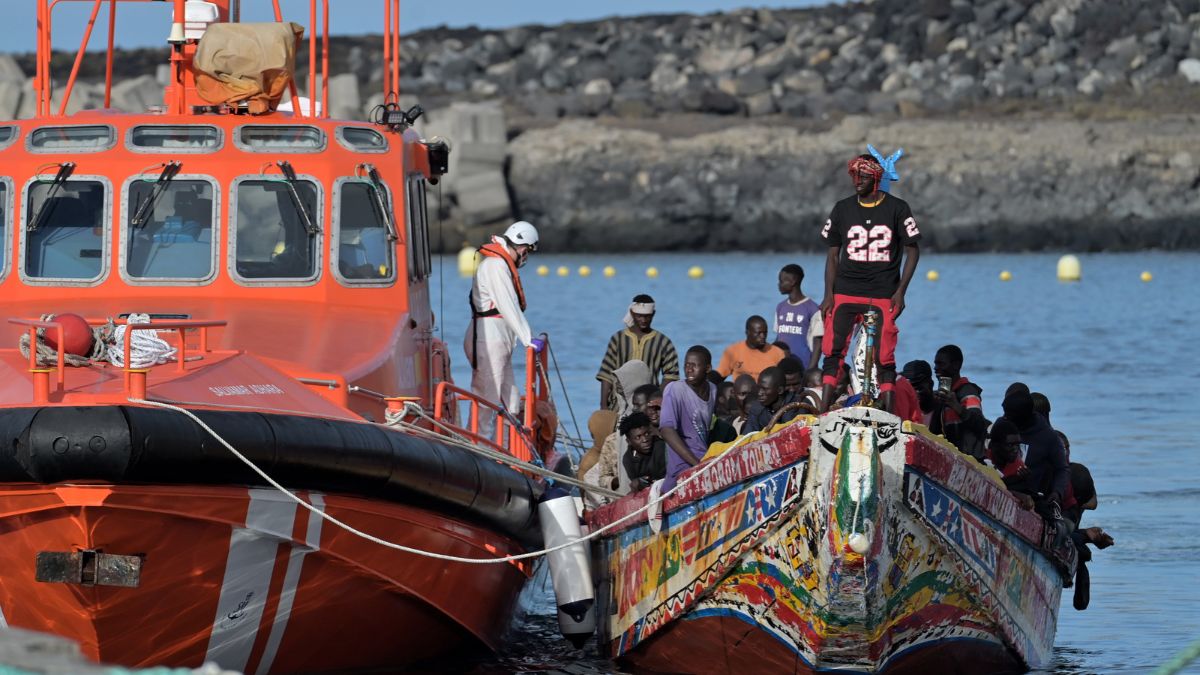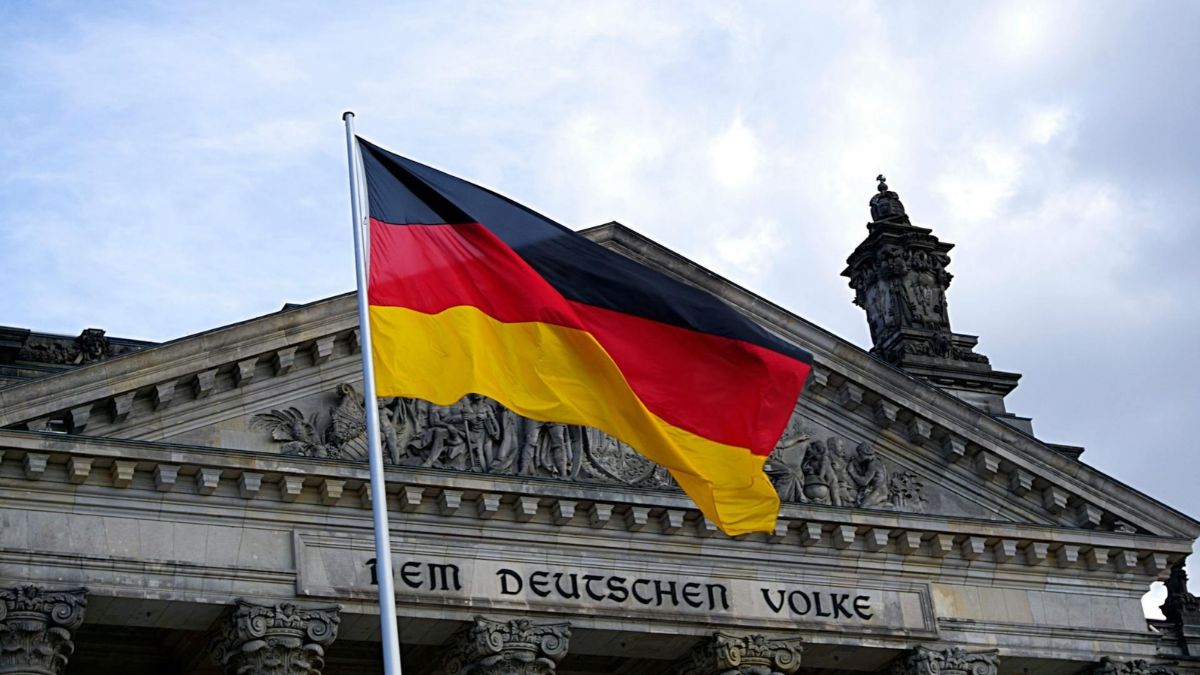
Thirty-three European nations agreed Monday to deepen cooperation on curbing irregular migration, establishing new mechanisms to track migrant movements and dismantle the criminal networks facilitating illegal crossings.
The declaration, reached at the European Political Community summit convened in Yerevan, Armenia, marks a significant expansion of commitments first outlined at the grouping’s October 2025 gathering in Denmark.
The accord builds upon a prior commitment in which sixteen countries had already called for closer coordination on people-smuggling, expedited return procedures, and improved migration management at countries of origin.
Monday’s document significantly extends that framework, adding a collective monitoring mechanism designed to enable the early detection of mass displacement events before they reach European borders.
Officials cited the surge of migration flows driven by ongoing conflicts in Sudan, the Horn of Africa, and the Near East as the principal motivation for establishing a real-time information-sharing system.
The new architecture is intended to provide signatories with advanced warning of population movements of the scale seen during the 2015 migration crisis — widely regarded as a stress test that exposed the inadequacy of existing European coordination structures.
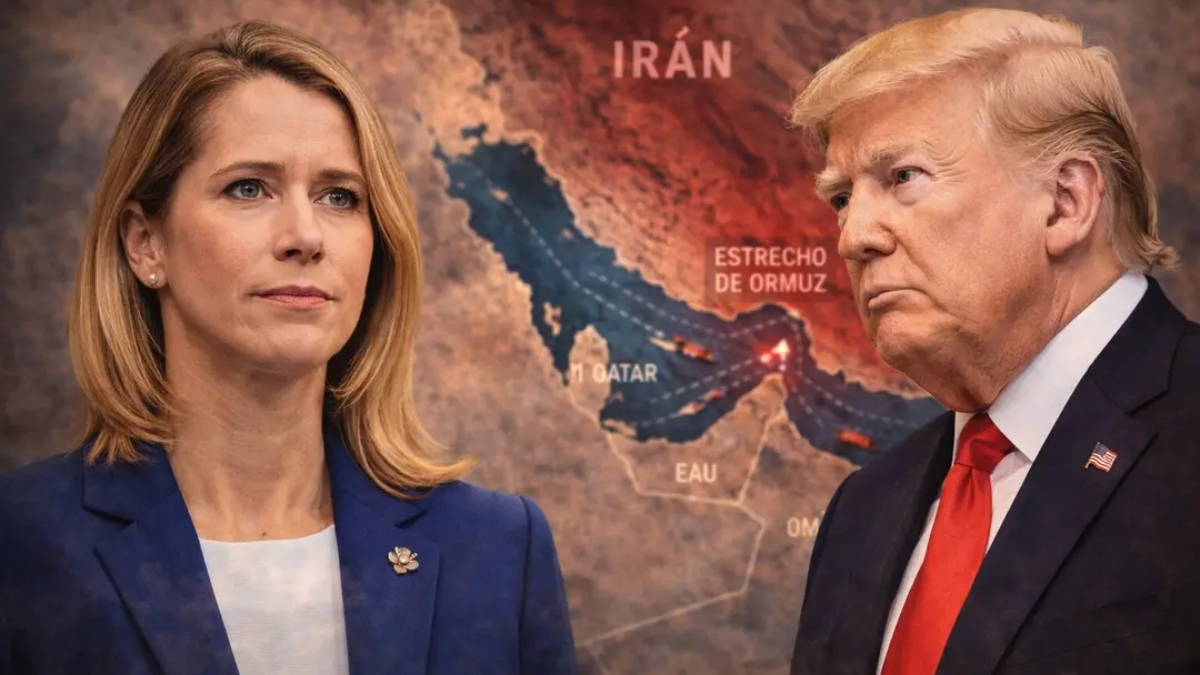
“European nations must prepare better and coordinate their response to prevent a new migration crisis.”
One of the more notable provisions targets not only those who physically transport migrants across borders, but also the logistical and financial enablers of these operations. Participating governments committed to pursuing the full supply chain of smuggling networks — from vehicle and boat operators to the accountants and investors underpinning the trade.
Spain’s silence raises questions at home
The pact further calls on signatory states to negotiate new return agreements with countries of origin and transit, leveraging the full range of diplomatic tools available to accelerate the removal of individuals without legal grounds to remain in European territory.
This reflects a shift in emphasis from border management alone toward a more comprehensive bilateral framework.
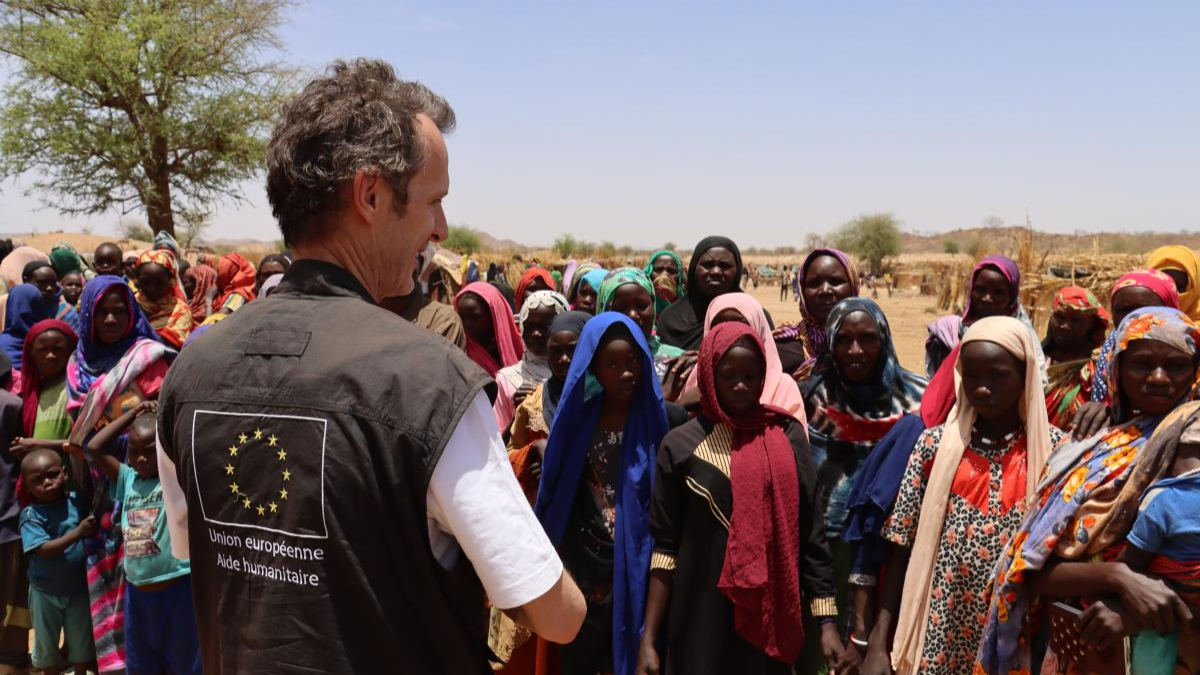
The text also reasserts the role of multilateral bodies such as the UNHCR and the International Organization for Migration, urging member states to use humanitarian assistance as a preventive instrument — directing aid toward fragile states to address root causes of irregular migration at the source rather than at European frontiers.
Leaders attending the summit defended targeted interventions in affected countries as a dual-purpose tool: providing genuine assistance to those in need while creating deterrence against irregular movement.
They also called for safeguarding domestic and international legal frameworks to ensure that asylum and protection mechanisms remain reserved for legitimate cases.
Spain’s absence from the signatories drew immediate attention. Prime Minister Pedro Sánchez‘s government did not publicly explain the decision not to join the declaration.
Spain has historically maintained a more cautious posture on multilateral migration-enforcement frameworks, and its exclusion from the pact is likely to become a point of political contention domestically in the coming days.