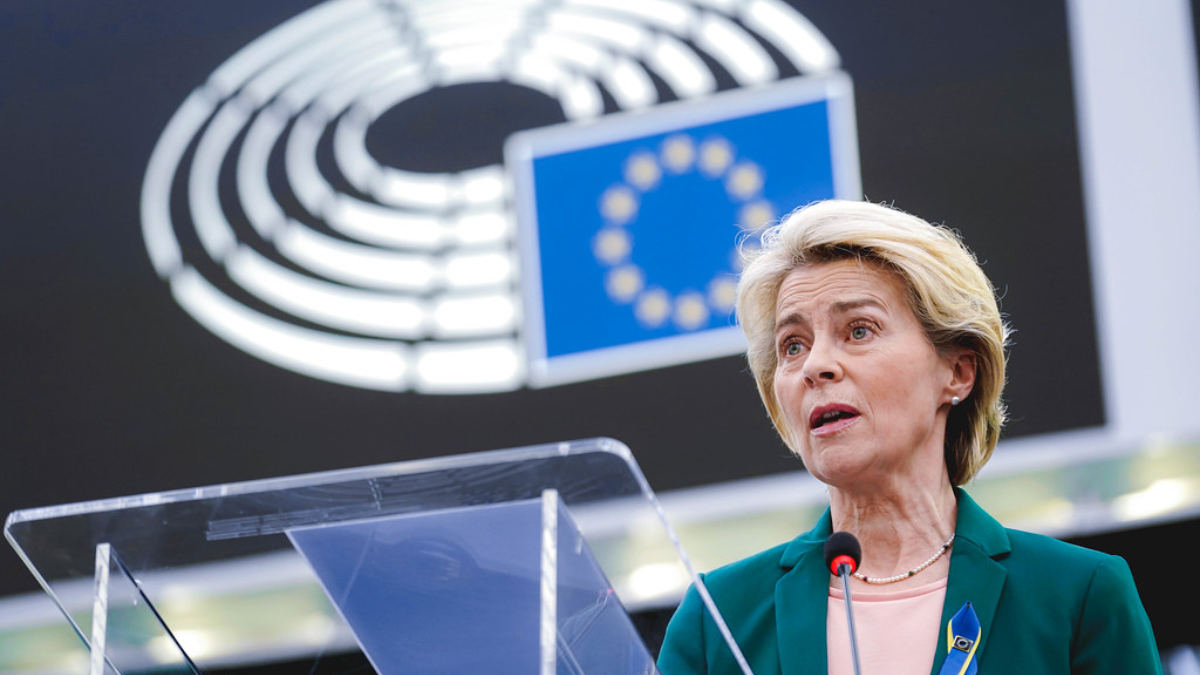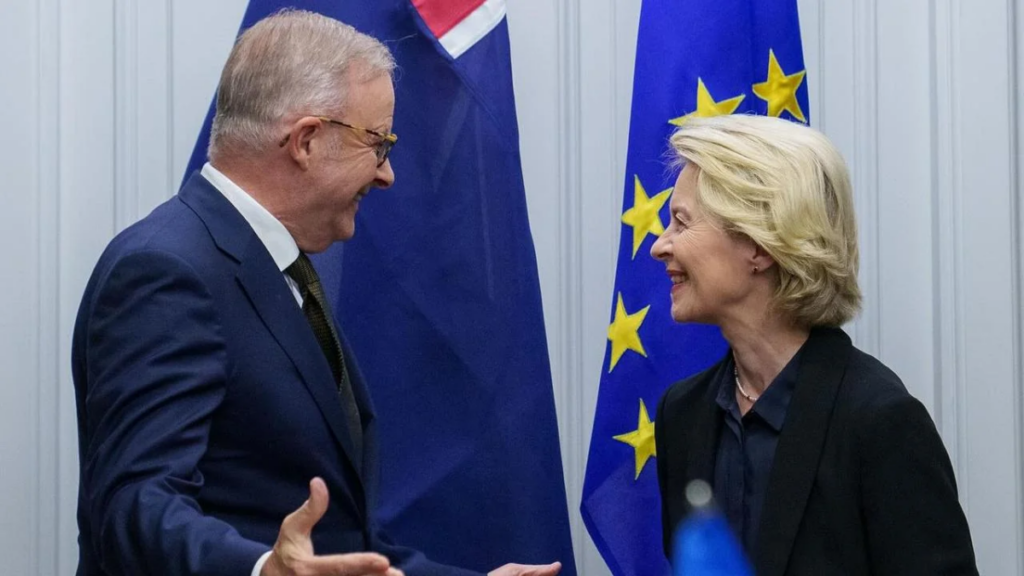
European Commission President Ursula von der Leyen is set to travel to Australia next week in an effort to push forward negotiations on a long-anticipated free trade agreement, which Brussels says is approaching its final stages.
The visit, scheduled between 23 and 25 March, will see von der Leyen accompanied by EU Trade Commissioner Maroš Šefčovič, with meetings planned in Sydney and Canberra. The trip aims to revive discussions that stalled in 2023 amid disagreements over market access, particularly in the agricultural sector.
Despite previous setbacks, the Commission is now seeking to finalise the deal in a context marked by global economic uncertainty and shifting trade dynamics. EU officials argue that strengthening partnerships with countries like Australia is essential to reduce reliance on major powers such as the United States and China.
Concerns over agricultural impact
However, the proposed agreement has raised concerns within parts of the European agricultural sector.
The deal is expected to include provisions that would facilitate the entry of Australian products such as beef, lamb and sugar into the European market. Critics warn that increased imports could place additional pressure on EU farmers, who already face strict environmental and regulatory standards.
While Brussels highlights the potential economic benefits, including improved access to strategic raw materials such as lithium, cobalt and rare earth elements, some analysts question whether the agreement could deepen Europe’s dependence on external suppliers.
Part of a broader trade strategy
The negotiations with Australia form part of a wider effort by the European Commission to expand the EU’s global trade network.
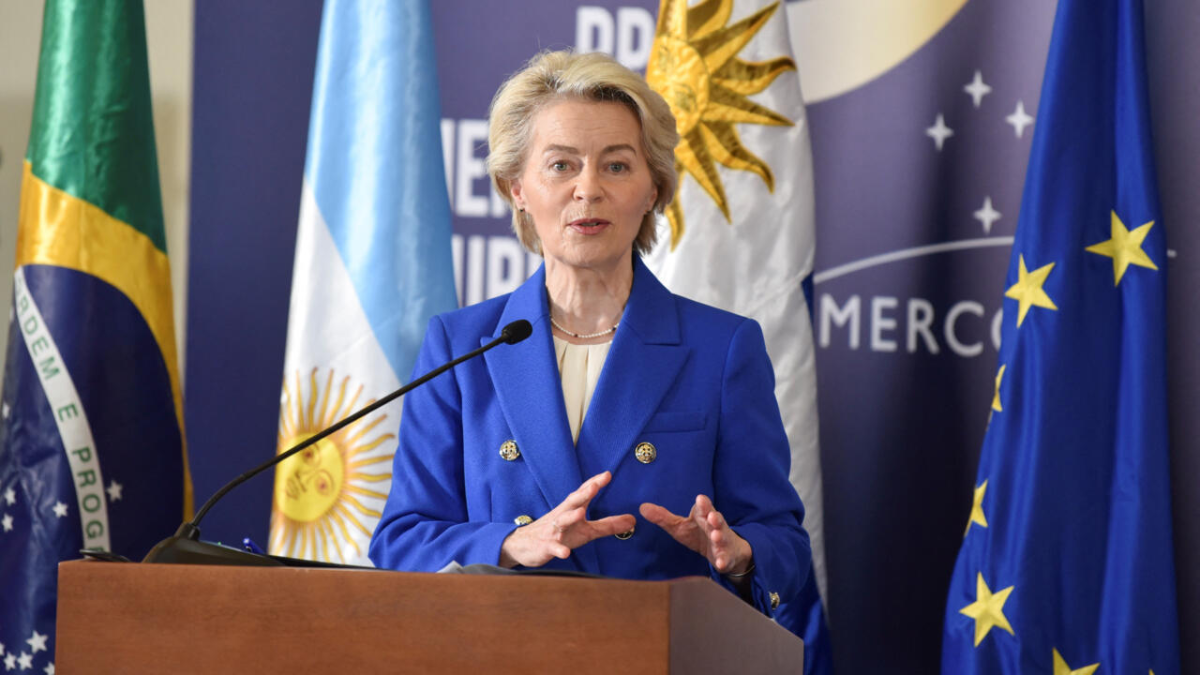
In recent months, Brussels has pursued agreements with partners including Mercosur and India, reflecting a broader strategy aimed at opening new markets and strengthening economic ties beyond Europe.
Supporters of this approach argue that such deals are necessary to enhance the EU’s competitiveness in a rapidly evolving global economy. However, critics contend that the strategy risks exposing certain domestic sectors to increased competition without sufficient safeguards.
As talks resume, the outcome of the EU-Australia agreement will be closely watched, particularly for its potential impact on European agriculture and long-term economic positioning.