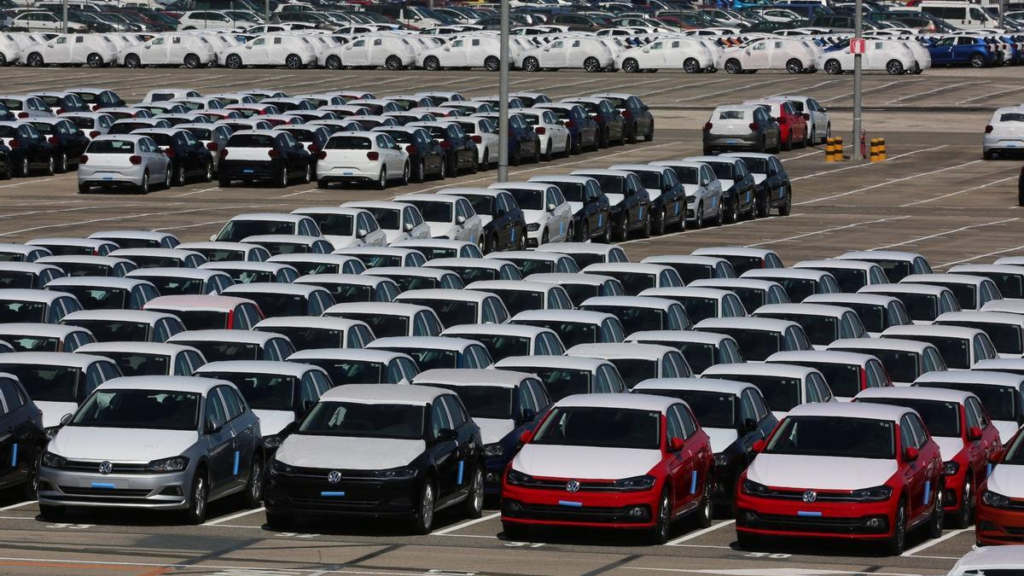
German carmaker Volkswagen has announced a recall of close to 100,000 electric vehicles worldwide after identifying a defect in battery systems that could lead to overheating and, in some cases, fire risks.
The recall affects several models from the company’s electric lineup, including the ID.3, ID.4, ID.5 and ID.Buzz, produced between mid-2023 and mid-2024. The issue also extends to the Cupra Born, manufactured by the group’s Spanish subsidiary.
In total, around 75,000 Volkswagen vehicles and approximately 24,500 Cupra units are impacted, with a significant number located in Germany.
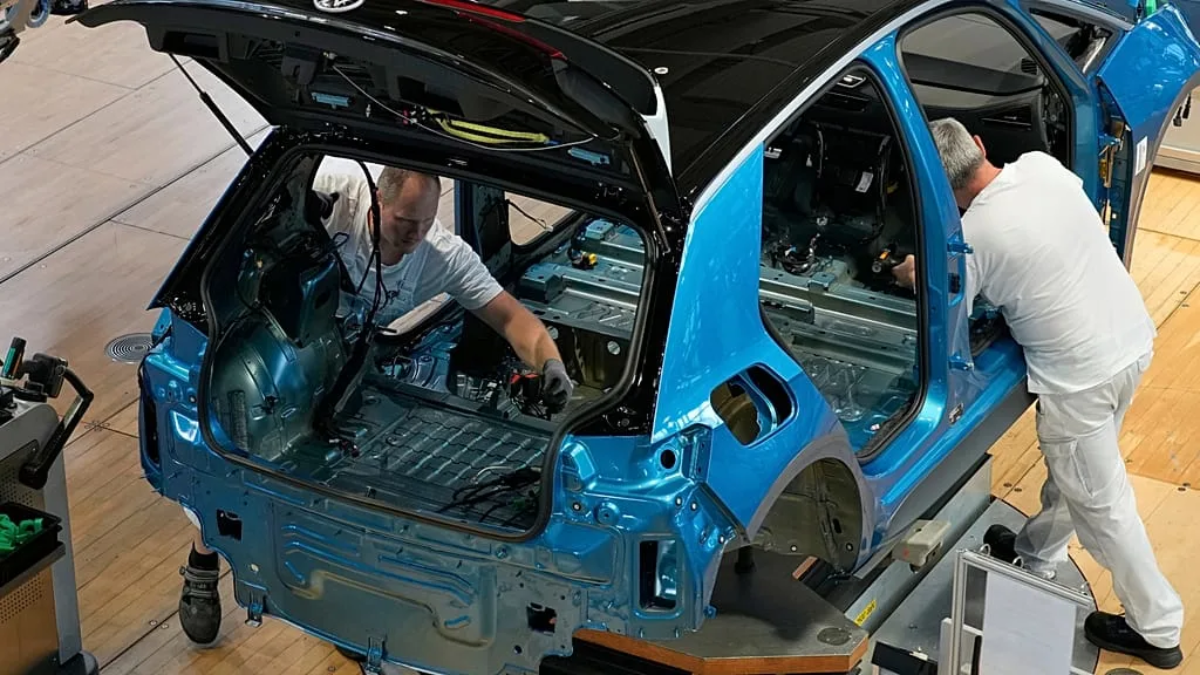
According to company statements, the problem originates from a manufacturing fault in high-voltage battery components, supplied by an external provider and identified through internal quality control systems.
Safety risks and corrective measures
German authorities have indicated that the defect may not only affect vehicle performance but could also create a risk of overheating, increasing the possibility of battery-related incidents.
Owners of affected vehicles have been advised to contact authorised dealers, where technicians will carry out software updates and, where necessary, replace battery modules to address the issue.
Volkswagen has stated that the recall is a precautionary measure and that it is working to ensure the safety and reliability of its electric fleet.
Ongoing challenges for electric transition
The recall is not an isolated case. Earlier this year, the company withdrew more than 300 units of its ID.7 model due to similar battery-related concerns.
The development comes at a challenging time for Volkswagen, which reported weak financial results in 2025 amid broader pressures facing the automotive sector.
The incident has renewed scrutiny over the reliability of electric vehicle technology, a key pillar of Volkswagen’s long-term strategy and of the wider European automotive industry.
While manufacturers continue to promote electrification as the future of mobility, ongoing technical issues and lower profit margins compared to traditional combustion engines continue to raise questions about the pace and sustainability of the transition.
Related news