MEP urges tighter definition for ‘Made in Europe’ rules
French liberal MEP Christophe Grudler, who is expected to lead negotiations in the European Parliament on the EU’s proposed “Made in Europe” law, has criticised the European Commission’s approach as too broad and outdated.
The planned rules form part of the Industrial Accelerator Act, a legislative package designed to strengthen European industry and protect strategic sectors from global competition. The proposal would introduce a form of European preference in public procurement, particularly in areas such as clean technology, electric vehicles, steel, aluminium and energy-intensive industries.
However, Grudler told Euronews that the Commission’s version gives too much room to non-EU countries and should instead focus on partners with a close geographical and economic relationship with the bloc. Because apparently Europe has once again discovered that “strategic autonomy” gets complicated when everyone wants to define “Europe” like it is a group project with no leader.
A divided debate over European preference
The “Made in Europe” provisions have opened a political split inside the EU. Countries such as Germany and several Nordic member states support a wider definition that could include “like-minded” international partners, while France is pushing for a narrower interpretation.
In its proposal, unveiled on 4 March, the European Commission leaned towards the broader approach, suggesting that access could depend on trade agreements and the degree to which third countries allow European companies to participate in their own public procurement markets.
Grudler rejected that logic, saying the EU should take a firmer position.
“The Commission’s option is very poor. It reflects a completely outdated view of trade policy,” he said.
He also compared the situation with the United States’ approach, arguing that Washington did not hesitate to prioritise domestic industry through the Buy American Act.
“When the Americans introduced the Buy American Act, they didn’t worry about whether it would strain ties with Europe. At some point, we need to stop being naive,” he added.
Geography at the centre of the proposal
According to Grudler, geography should be the main criterion for deciding which non-EU countries can benefit from the “Made in Europe” label.
He said the rules should first include countries in the European Economic Area, namely Iceland, Liechtenstein and Norway, due to their close integration with the EU market.
Switzerland could also qualify, he argued, because of its long-standing public procurement agreement with the European Union. That agreement allows European companies to access Swiss public procurement markets, while Swiss firms can compete in EU procurement procedures.
The United Kingdom could be considered in some cases, Grudler said, although he warned that any arrangement would need to be assessed carefully after Brexit.
“There is also a point where Europe has to make sure it comes out financially ahead,” he said.
Grudler argued that the new law should send a clear message to investors in key European industries, especially those working in clean technologies and energy-intensive sectors.
He described the proposal as part of Europe’s wider effort to build resilience against unfair competition from other regions.
“It is another step in Europe’s resilience against unfair competition from other continents,” he said.
The legislation is particularly aimed at reducing pressure from major global competitors such as the United States and China, both of which have increased industrial support measures in recent years.
China pushes back against EU plans
China has strongly opposed the Commission’s proposal, viewing it as an attempt to restrict Chinese access to European procurement and investment opportunities.
Grudler, however, defended the initiative as a necessary move to protect European industry from what he described as distorted competition.
“This legislation is Europe standing firm for its strategic industries,” he said.
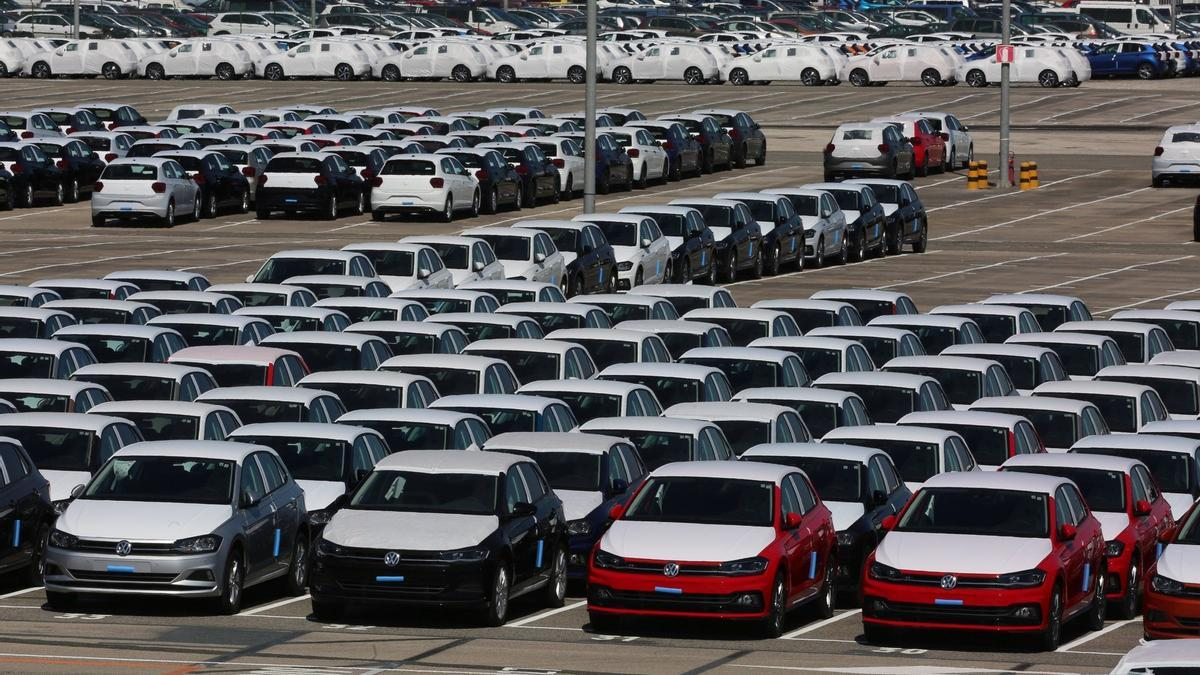
He accused China of using overcapacity in sectors such as cars and steel to gain market share in Europe, while benefiting from state support and subsidies.
According to Grudler, Europe must respond with stronger industrial rules if it wants to protect its own production base, maintain investment and avoid falling behind in strategic technologies.