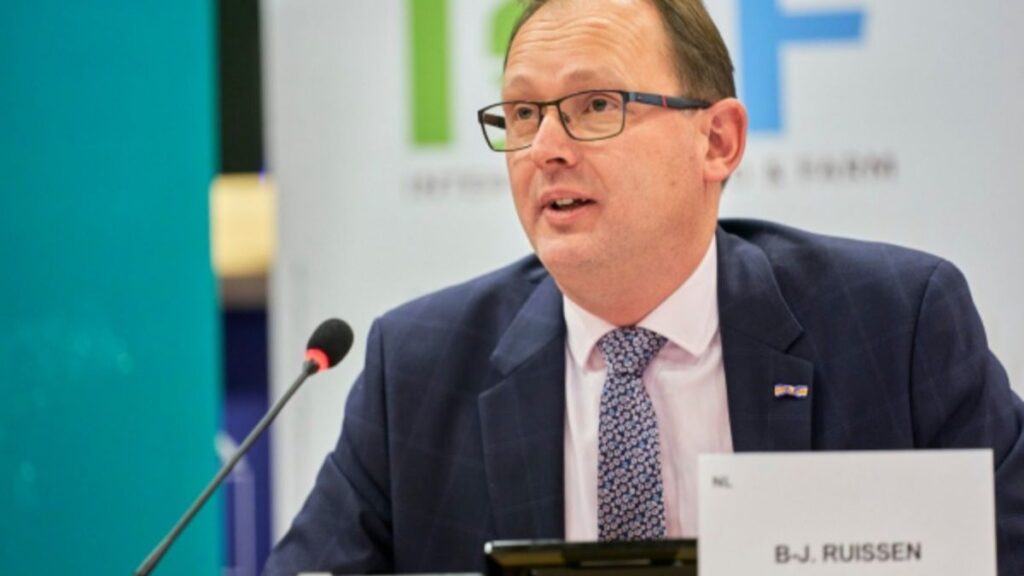
European political institutions often appear deeply engaged with the perceived grievances of various minority groups. However, this focus often neglects other urgent issues—most notably, the systematic targeting of Christians by Islamist extremists. This alarming omission was highlighted by Dutch MEP Bert-Jan Ruissen, a member of the European Conservatives and Reformists group, in a recent address to the European Parliament.
Ruissen condemned the European Union and numerous international bodies for maintaining a disturbing silence regarding jihadist violence against Christians. He was specifically referring to a brutal attack that occurred the previous Sunday in the Democratic Republic of Congo, where over forty Christians were murdered during an evening mass. The assault was carried out by the Allied Democratic Forces (ADF), a group affiliated with the Islamic State. The militants not only killed worshippers but also kidnapped children and set nearby homes on fire.
Earlier this year, Ruissen introduced a resolution aimed at confronting the threat posed by the ADF. The initiative highlighted the group’s goal of establishing an Islamic state by eradicating Christian communities. Ruissen’s proposal included measures to trace secret financial channels supporting both ISIS and the ADF. Despite the urgency, his proposals have so far failed to gain meaningful traction within the EU framework.
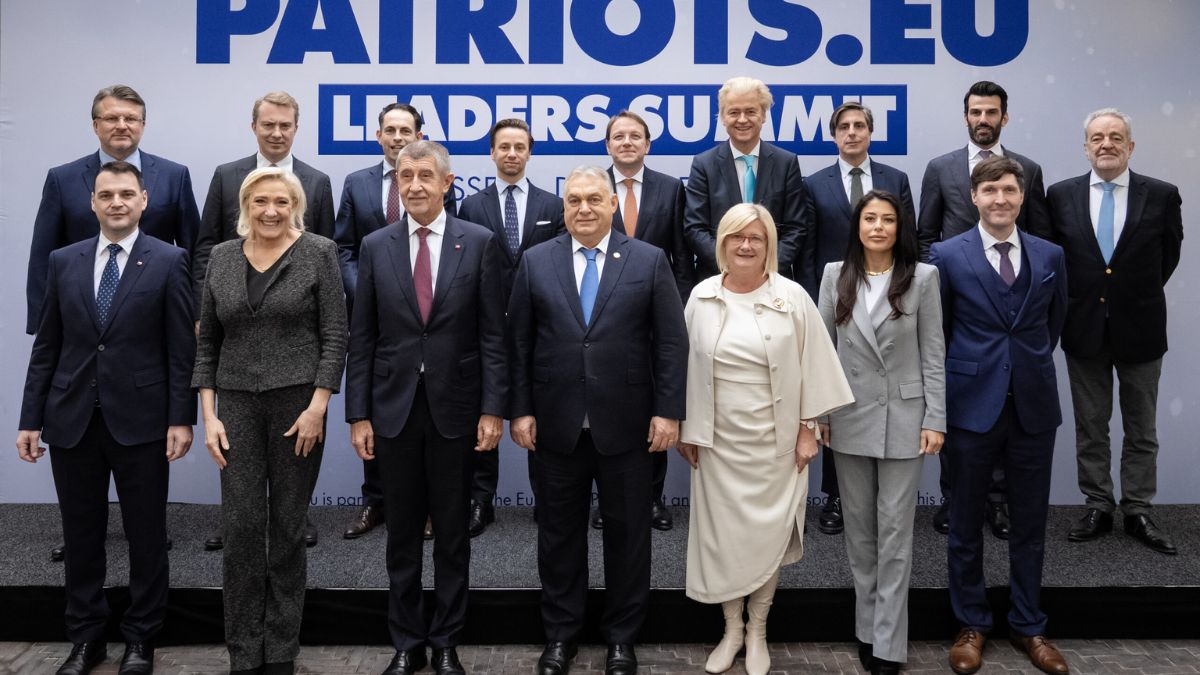
The issue goes beyond neglect. In May, Swedish MEP Charlie Weimers, from the Patriots for Europe group, warned that the European Union is indirectly supporting Islamist causes through the funding of international development projects. According to Weimers, this financial aid is often allocated without sufficient scrutiny, enabling organizations with extremist ties to benefit.
Together, these warnings signal a serious concern: while Europe claims to champion human rights and religious freedom, its silence on the persecution of Christians may reflect a deeper imbalance in its foreign and humanitarian policies.