US pulls 5,000 troops from Germany: how Trump’s feud with Berlin is reshaping NATO.
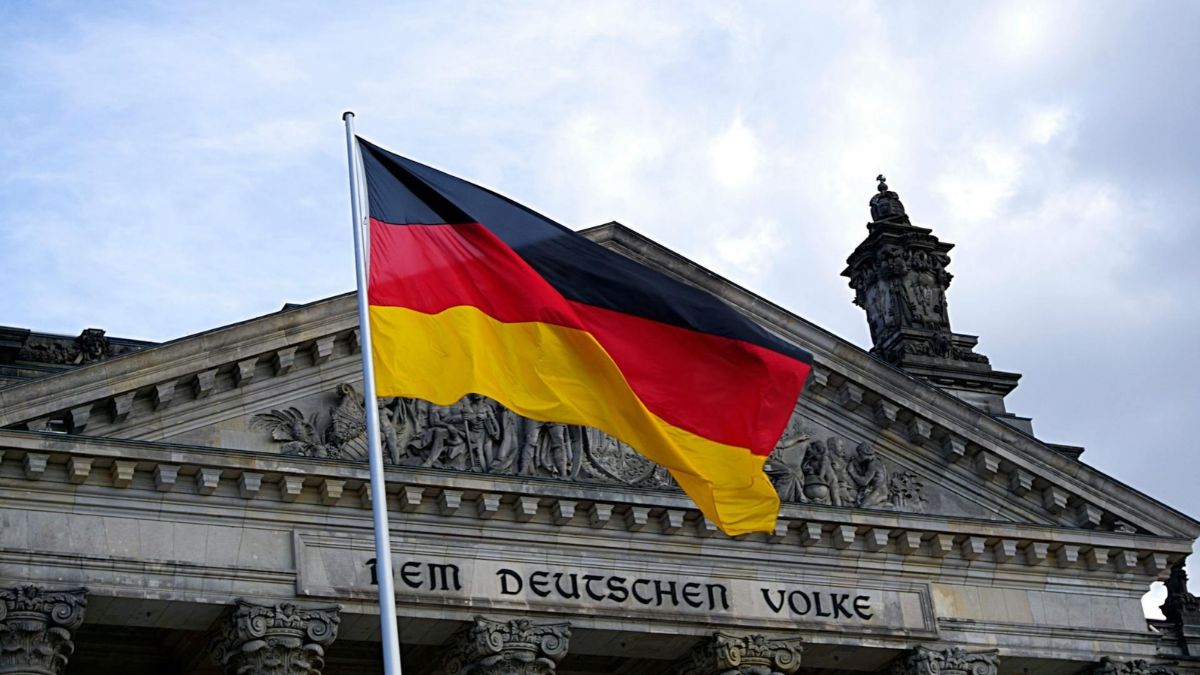
The Pentagon’s announcement last Friday that approximately 5,000 US troops would be withdrawn from Germany over the next six to twelve months arrived without warning to senior NATO command — and, according to multiple sources familiar with the situation, without the logistical planning one would expect of a strategic military decision.
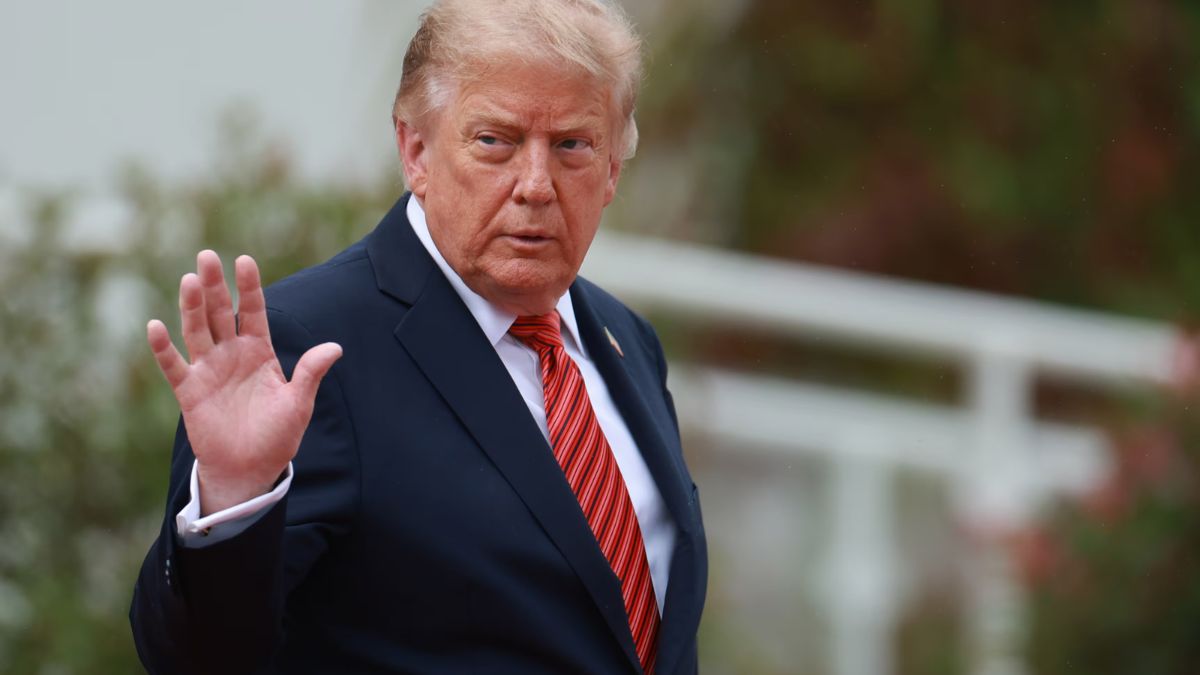
The announcement’s timing was telling. Just days before Chief Pentagon Spokesperson Sean Parnell confirmed the withdrawal order on Fox News, German Chancellor Friedrich Merz had publicly described Iran as “humiliating” the United States, casting doubt on Washington’s approach to the ongoing war.
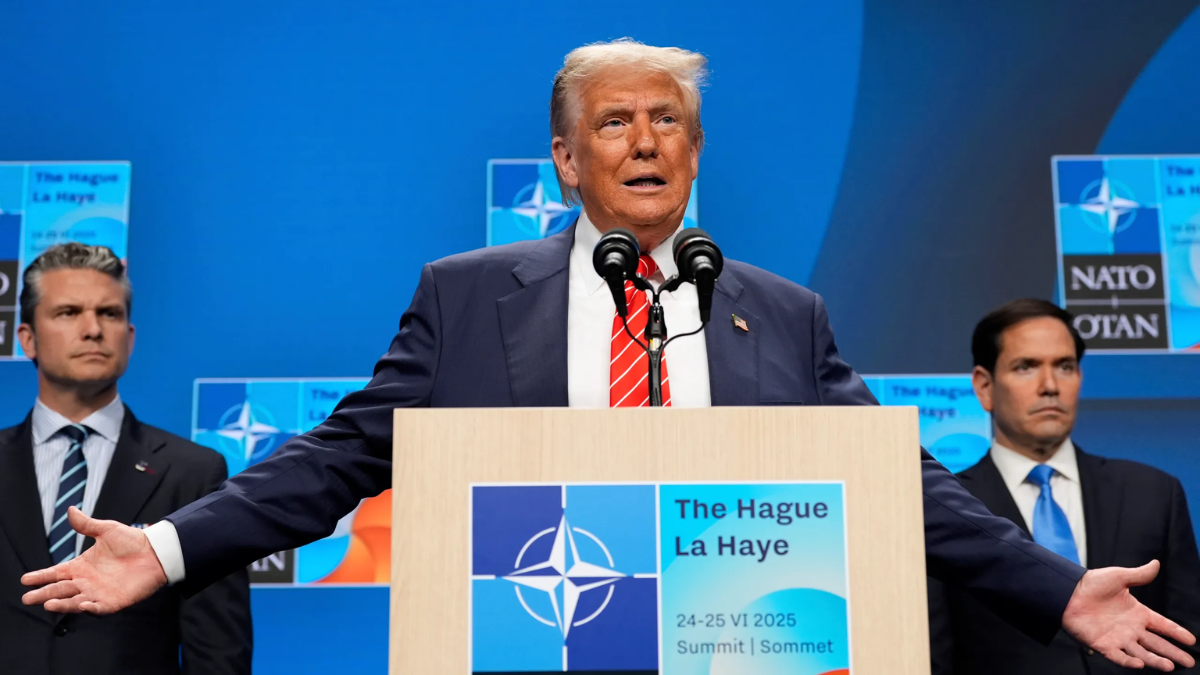
Within hours of Trump’s initial social media post — in which he stated the Pentagon was “studying” a troop reduction — the announcement had already been made.
What followed has alarmed NATO allies: the withdrawal figure of 5,000, sources suggest, was not the product of military assessment. Fundamental operational details remain unresolved — whether the troops form part of a brigade’s core unit, an air squadron, or a rotational force that will simply not be replenished. The alliance has been given no clarity on any of these points.
“He thinks he can punish allies by removing troops, but he is hurting America’s interests. He believes we have troops in Europe for the sole purpose of doing others a favour.”
Ivo Daalder, former US Ambassador to NATO
Saturday brought a further complication: Trump stated the reduction would go “a lot further” than 5,000, without specifying either a number or a timeline. For NATO capitals that had already accepted the reality of a potential US force review, the manner of the announcement — impulsive, uncoordinated and apparently retaliatory — undercut the kind of orderly disengagement they had quietly been preparing for.
A presence built over decades, now an open question
The US military presence in Germany, which currently exceeds 36,000 active-duty personnel, is not merely a Cold War relic. It functions as one of the most visible projections of American power abroad, underpinning deterrence architecture across the European theatre.
Military planners on both sides of the Atlantic are now working to assess what a reduction — however it is ultimately structured — will mean for that posture.
Some European defence officials have sought to temper concern, noting that the nature of modern warfare is shifting away from troop numbers toward advanced capabilities and technology, and that Germany and other allies have markedly increased their own defence investment over the past year.
Still, the absence of consultation — an expectation European governments had considered a baseline condition of alliance management — has proven difficult to dismiss.
NATO Secretary General Mark Rutte’s office has responded with cautious restraint, acknowledging that the alliance is “working with the US to understand the details” while reiterating Europe’s responsibility to shoulder a greater share of its own defence. The statement, measured in tone, nonetheless reflected the information gap that allies are still trying to close.
A diplomatic signal dressed as strategy
The broader context is one of sustained strain. Trump has repeatedly criticised European allies for declining to join the United States in the Iran conflict, labelling NATO itself a “paper tiger.”
The withdrawal announcement, stripped of strategic rationale and dense with political subtext, appears less a recalibration of force posture than a diplomatic signal — one that, critics argue, risks undermining the very interests it purports to defend.