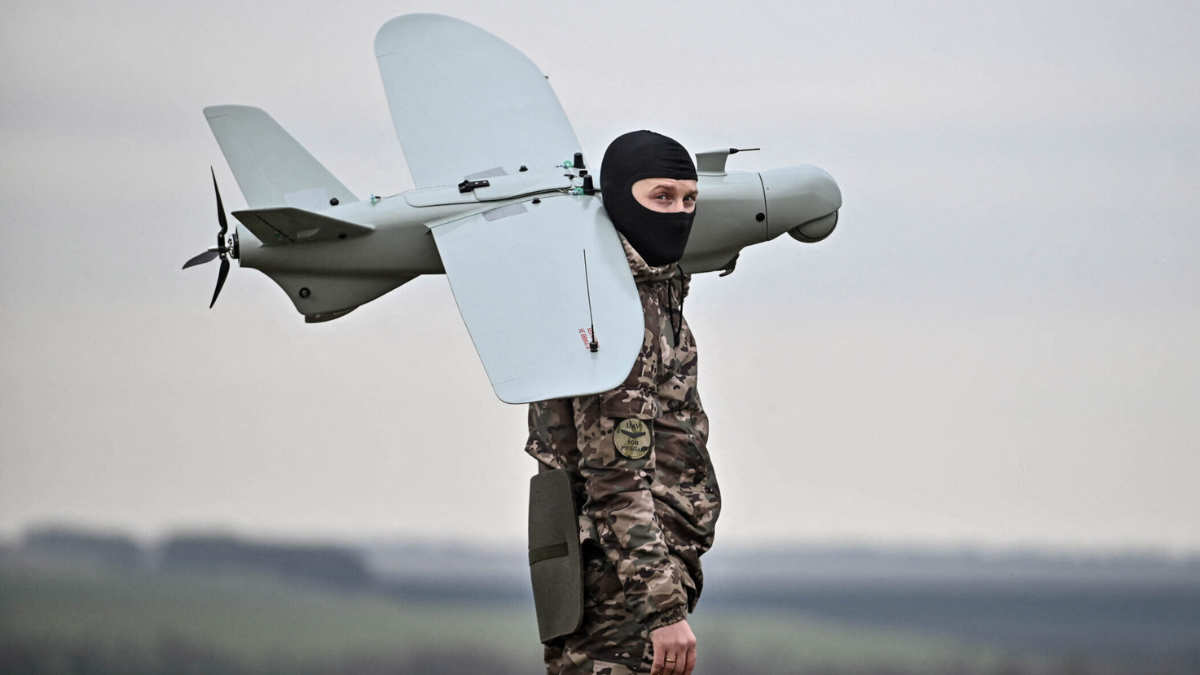
Ukraine launches drone export programme with its battle-tested arsenal for allied countries
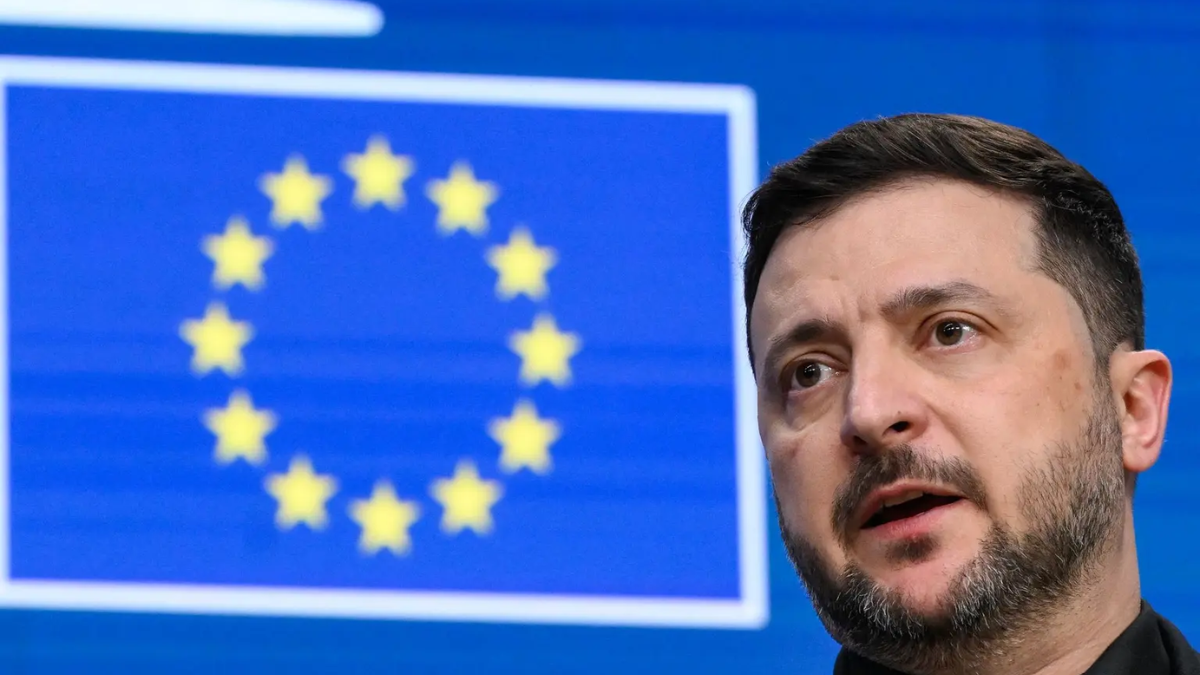
Ukraine has taken a significant step toward repositioning itself within the global arms trade, with President Volodymyr Zelenskyy formally approving a framework for the export of domestically produced military hardware — a move that carries both economic weight and substantial geopolitical consequences.
The announcement, made Tuesday evening, caps months of deliberation within Ukrainian state institutions and responds to mounting pressure from the country’s rapidly expanding defence industry.
At its core, the initiative — branded as “Drone Deals” — seeks to channel Ukraine’s battlefield-tested expertise into the international market while preserving a strict gatekeeping mechanism over who gains access.
“A surplus of production capacity in Ukraine for certain types of weapons reaches 50%.”
“The export of Ukrainian weapons will become a reality,” Zelenskyy stated, noting that the relevant state bodies have signed off on all operational details. The framework covers not only the physical supply of drones, missiles and ammunition, but also software licensing, electronic warfare systems and direct technical knowledge-sharing.
A market built on loyalty
The arrangement is explicitly conditional. Only nations that have stood with Ukraine since Russia launched its full-scale invasion in February 2022 will be eligible for procurement.
Zelenskyy has instructed the Foreign Ministry, working alongside intelligence and security services, to compile a list of countries excluded from access due to ties with Moscow.
That requirement reflects a central tension in Ukraine’s export ambitions: the country must simultaneously grow its defence revenues and safeguard against its own technologies being reverse-engineered or redirected to the adversary it is still fighting.
“This is a serious challenge — to prevent our technologies and weapons from falling into Russian hands,” Zelenskyy acknowledged.
Gulf states lead early uptake
The Middle East and Persian Gulf have emerged as the first concrete beneficiaries of the scheme. Ukraine recently formalised ten-year defence partnership agreements with three Gulf nations, covering maritime drones, electronic warfare platforms and interception systems — hardware that has proven its worth in sustained combat operations in the Black Sea.
Ukraine’s Magura-V5 naval drones, which have inflicted documented losses on Russian vessels, are among the assets drawing international interest.
Zelenskyy has also suggested that some of Ukraine’s maritime systems could have strategic relevance to freedom of navigation in the Strait of Hormuz — a remark that underscores Kyiv’s ambitions to align its defence exports with broader Western security priorities.
Separately, Zelenskyy confirmed that a proposal has been placed before American partners, though terms remain under negotiation. He was explicit that any agreement must be financially favourable to Ukraine, subject to clear oversight, and structured so that export revenues flow directly back into the country’s own defence capacity.
Industry pressure and internal reform
The policy shift follows more than a year of lobbying by domestic manufacturers who had been legally barred from selling abroad despite producing well beyond the military’s immediate needs.
Approximately 800 arms companies are currently operating inside Ukraine. Annual drone output now exceeds four million units, a figure that could reportedly double with adequate investment.
To ease the path to market, Kyiv is streamlining export licensing through a system of automatic permits, while retaining what officials describe as adequate controls. The architecture is interstate at the top — with government-to-government agreements defining the scope of cooperation on a reciprocal basis — and then delegated downward to manufacturers and relevant agencies.
Critically, Ukraine’s armed forces retain first call on all production. Commercial exports will proceed only from certified surplus, a safeguard intended to prevent civilian ambition from competing with battlefield necessity.
The broader strategic picture is one of deliberate repositioning. Having spent three years as one of the world’s largest recipients of military aid, Ukraine is now calibrating its emergence as a supplier — leveraging the credibility that comes only from weapons tested in active conflict.