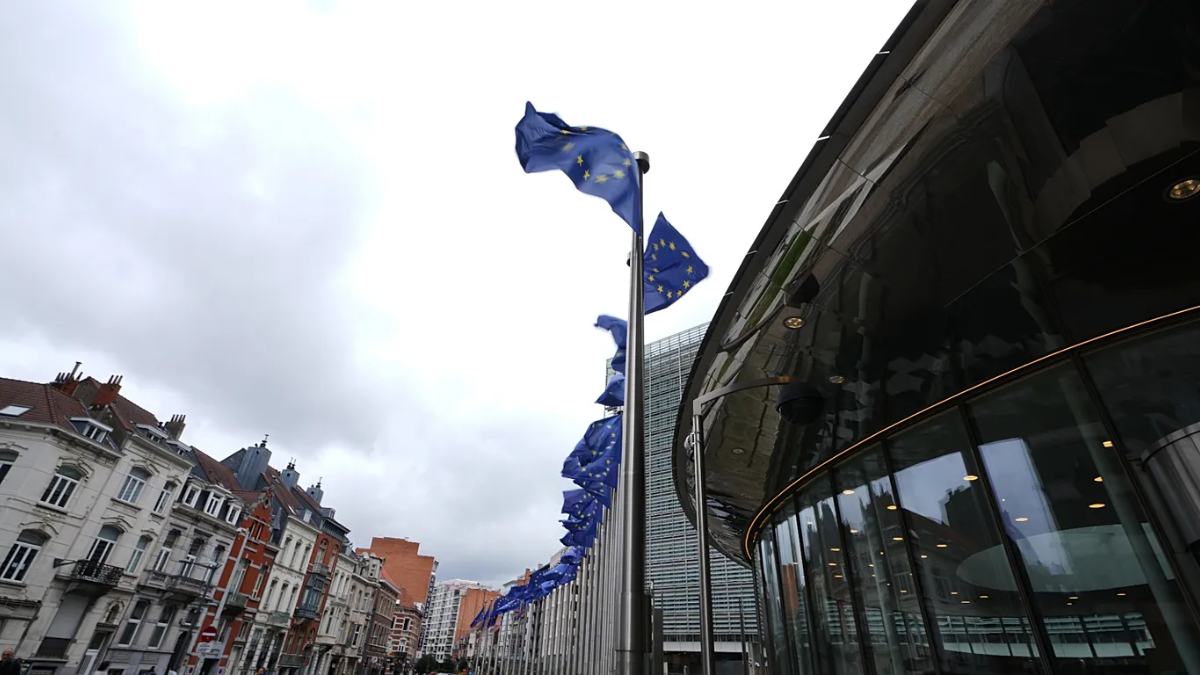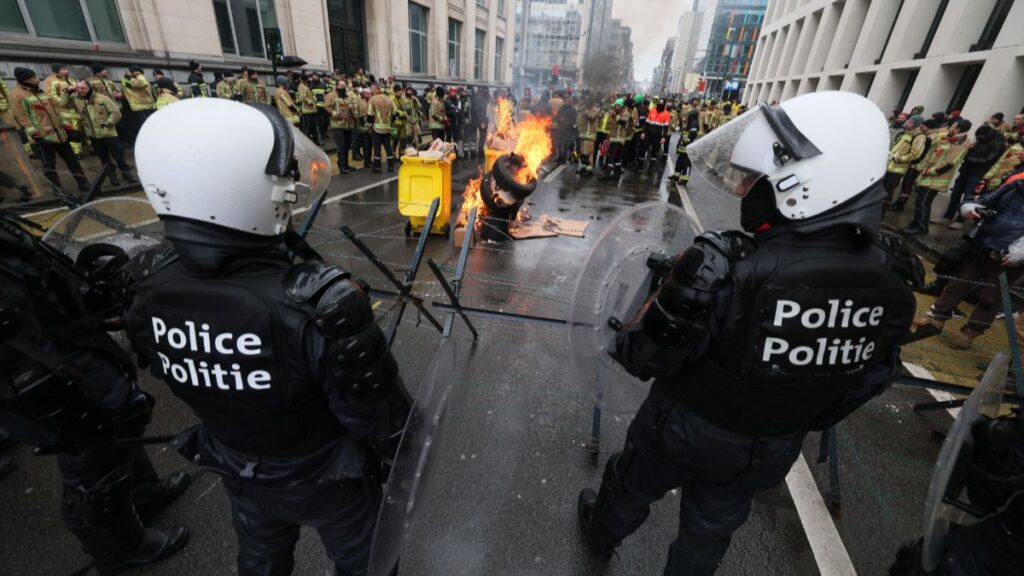
Brussels, the Belgian capital and home to the European Union’s main institutions, has increasingly become a hotspot of violence and criminal activity. According to the most recent data released by Eurostat, the city recorded a homicide rate of 3.19 per 100,000 inhabitants in 2023, making it the second-highest in the European Union, surpassed only by Latvia, which has a rate of 4.2. Statistically, Latvia is often considered comparable to Brussels in terms of population size and urban dynamics, making the comparison particularly striking.
At the national level, Belgium registered an overall homicide rate of 1.38 per 100,000 inhabitants, placing the country third in the EU ranking for intentional killings, behind only Latvia and Lithuania. Eurostat’s statistics on intentional homicides encompass a wide range of violent deaths, including murders, terrorist attacks, extrajudicial executions, and fatalities caused by law enforcement interventions.
The situation has worsened with this year’s data. Brussels’ chief prosecutor, Julien Moinil, warned that 2025 is shaping up to be a record year for armed violence. So far, 57 shootings have been recorded, 20 of them occurring just since the beginning of summer.
In all of 2024, there were 92 firearm-related incidents that left 9 people dead and 48 injured. This summer’s figures have already surpassed the first six weeks of 2025, during which two people were killed and four others injured in 11 shootings. The prosecutor detailed that so far this year, 6,211 adults and 874 minors have been charged—three times more than during the same period in 2024. Among them are 1,250 alleged drug traffickers.
Moinil acknowledged that the problems are structural and criticized the lack of resources in the federal judicial police. He also called for the acceleration of deportations of foreign nationals convicted of crimes without legal residency, many of whom are linked to organized crime.
In recent years, rival gangs of North African origin have taken control of entire neighborhoods in Brussels. Just 55 kilometers away, the port of Antwerp has established itself as Europe’s major entry point for cocaine, and has been the scene of grenade attacks related to drug trafficking.
Residents describe neighborhoods as lawless. Nearly one in five Brussels inhabitants feels unsafe in their own neighborhood—double the national average. This figure represents an increase of three percentage points since 2021.
Interior Minister Bernard Quintin admitted that crime in the capital is a “systemic problem that requires a systemic response.”
But for many citizens, the reality is clear: Europe’s capital has become one of the continent’s most violent cities, a symbol of multicultural failure and of lax security policies that, for years, have allowed crime to prevail over the law.