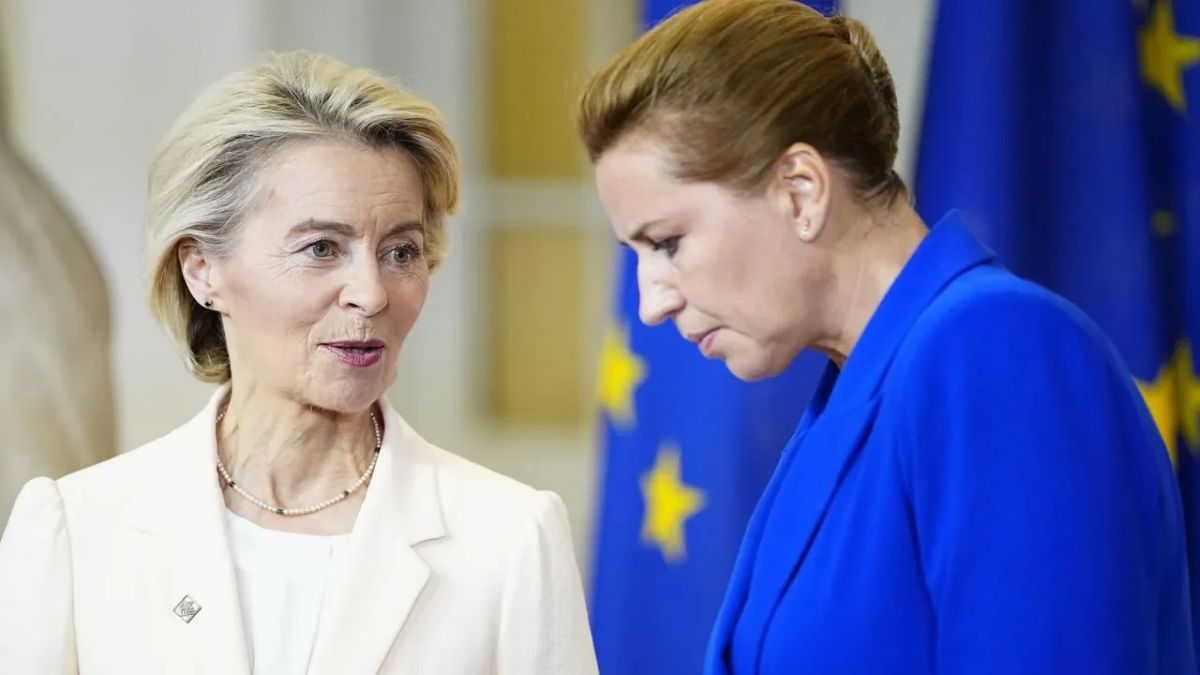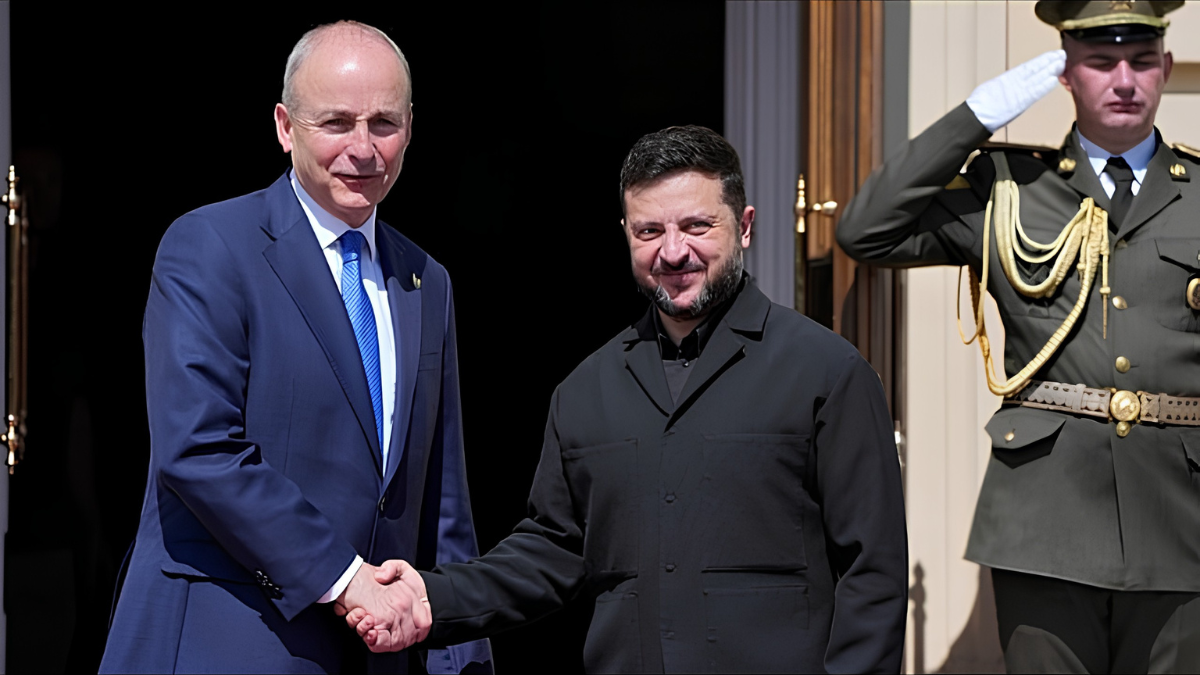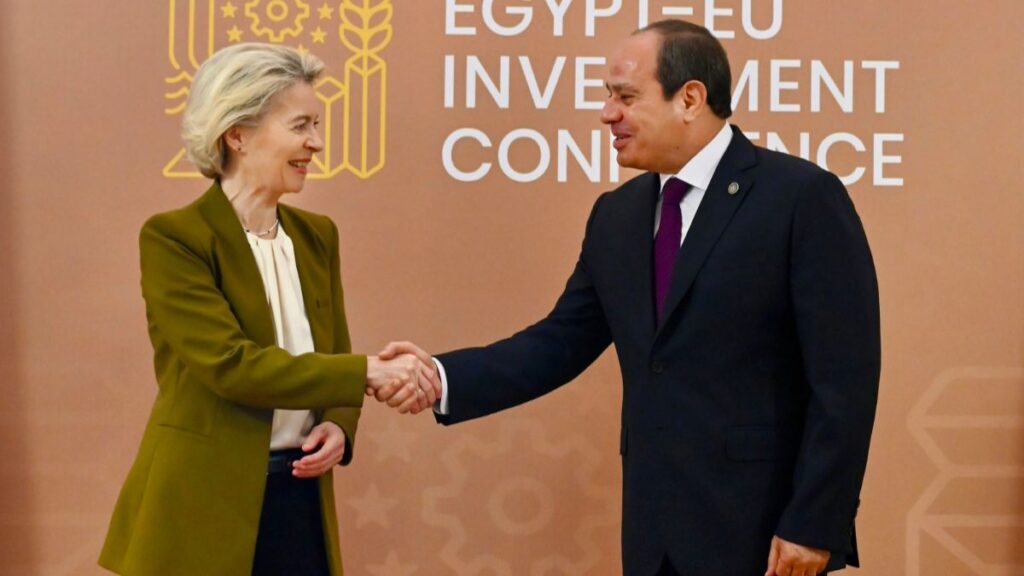
The European Commission has confirmed its intention to transfer €75 million to Egypt as part of a new political and economic cooperation package with the regime of Abdelfatah Al-Sisi. The announcement coincides with the first major EU-Egypt summit in Brussels, which will include several European heads of state, including German Chancellor Friedrich Merz.
According to Apollo News, citing EU sources, the agreement aims to deepen the so-called “strategic partnership” signed in March 2024, which foresees a total disbursement of €7.4 billion by 2027.
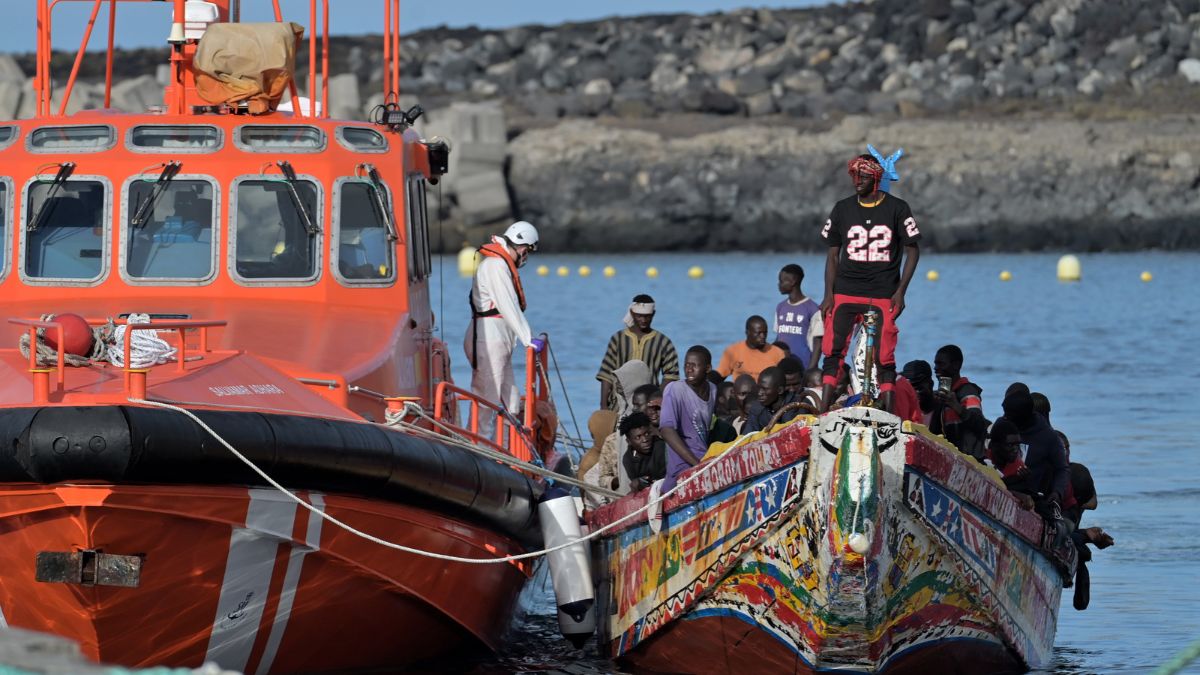
The summit seeks to consolidate Egypt as a key partner in migration, economic stability, and regional security, at a time when Brussels is trying to curb migratory flows from North Africa and contain instability in the Middle East.
In addition to the new €75 million payment, the Commission plans to announce other additional aid, according to officials cited by Euronews. This money will add to the €4 billion already committed by EU member states and the European Parliament earlier this year, although it has not yet been disbursed.
In 2024, the EU had already transferred €1 billion to Egypt to “support its economic stability,” aid that—according to diplomatic sources—aims to ensure border control and prevent new migration routes to the central Mediterranean.
The agreement includes six main pillars: migration, economic stability, political relations, trade, demographics, and security. During Wednesday’s summit, concrete results are expected to be agreed upon in each of these areas, according to a Council of the European Union document.
Egypt is currently the EU’s main trading partner in North Africa, representing 22% of the country’s total trade in 2024, with exports to the Union valued at €12.6 billion.
European Council President António Costa praised “Egypt’s stabilizing role in the Middle East” in a statement, referring to its position on conflicts in Gaza and Sudan. According to Radio France Internationale, the role of Hamas and the situation in the Gaza Strip will also be discussed at the summit.
Although Brussels presents the initiative as a “model of balanced cooperation,” several critical voices in the European Parliament warn that the EU is increasingly relying on authoritarian regimes. Meanwhile, Al-Sisi—in power since 2014 after overthrowing the Muslim Brotherhood—continues to be accused by international NGOs of political repression and human rights violations. Nevertheless, European pragmatism with public funds prevails.