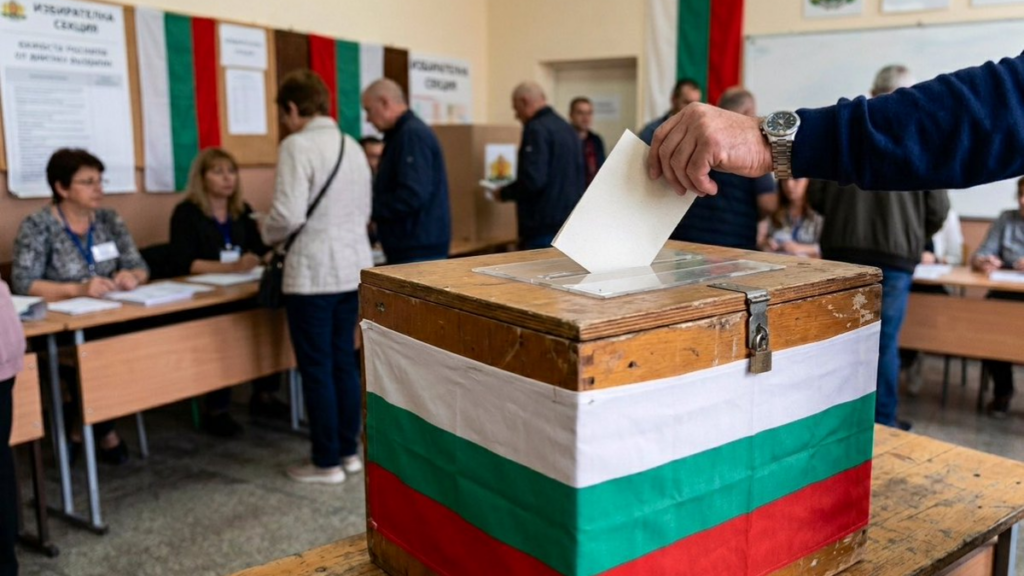
As Bulgaria heads into its latest snap parliamentary election on 19 April, authorities and analysts are warning that the country remains highly vulnerable to disinformation, with concerns mounting over the impact of misleading narratives on an already fragile political environment.
The vote will be Bulgaria’s eighth national election in just five years, underlining the depth of the country’s political instability and the persistent failure to establish durable governing coalitions.
With campaigning entering its final stretch, attention has turned not only to the candidates themselves but also to the broader information ecosystem surrounding the election. Researchers say Bulgaria continues to offer particularly fertile ground for coordinated manipulation, due to a mix of weak institutional safeguards, low trust in public authorities, and a deeply polarised political climate.
EU tools activated amid growing concern
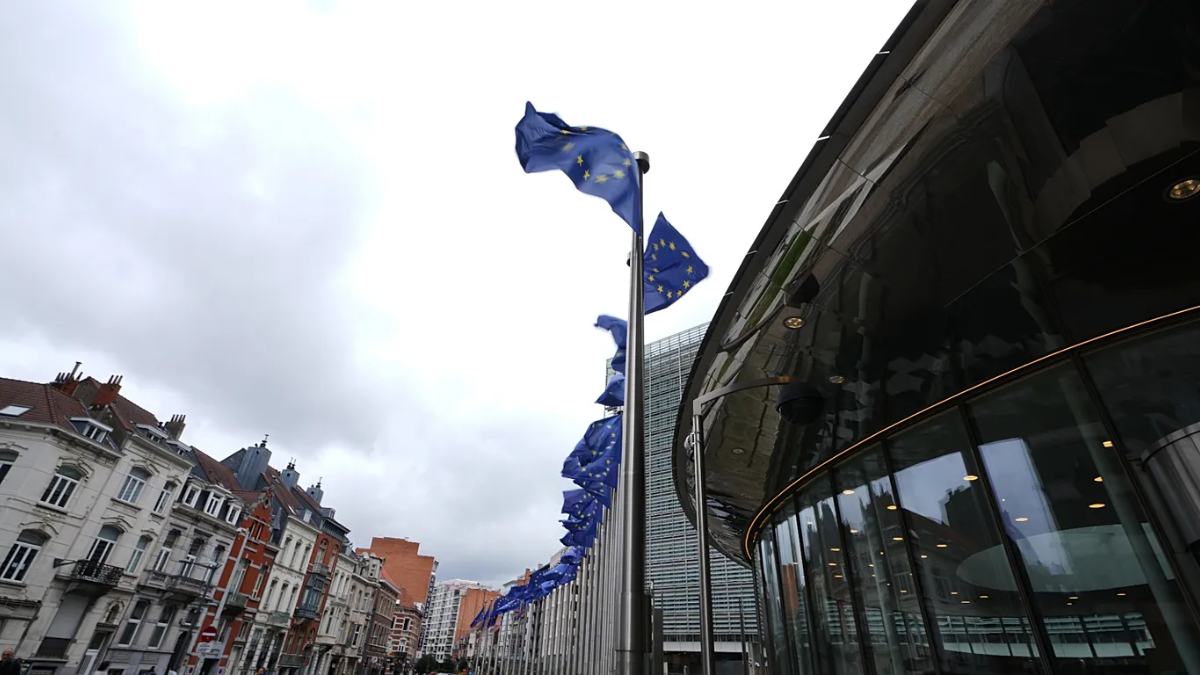
In response to the threat of foreign interference, the Bulgarian government has sought support from the European Union, including assistance from the bloc’s diplomatic service. It has also activated the rapid response mechanism under the Digital Services Act (DSA), the EU framework aimed at improving transparency and accountability across online platforms.
That mechanism brings together major technology companies, civil society organisations and fact-checking networks to detect and limit the spread of online content that could distort democratic processes or influence voter behaviour.
The concern is not theoretical. In a March assessment, the Center for the Study of Democracy (CSD) described Bulgaria as one of the EU countries least prepared to respond effectively to malign information manipulation, despite some signs of institutional progress.
According to analysts, the country’s exposure to misleading content became especially visible ahead of its eurozone accession in January 2026, when false and inflammatory narratives circulated widely online. Among the political actors most frequently associated with these messages was the pro-Russian nationalist Vazrazhdane party, also known as Revival.
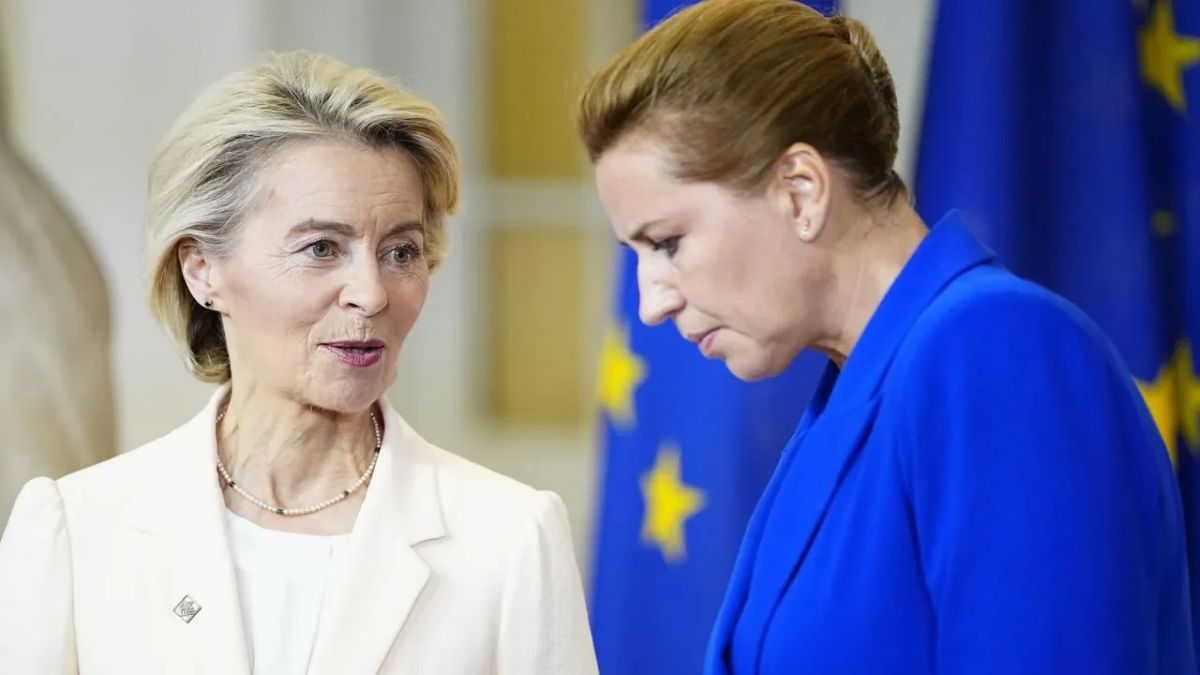
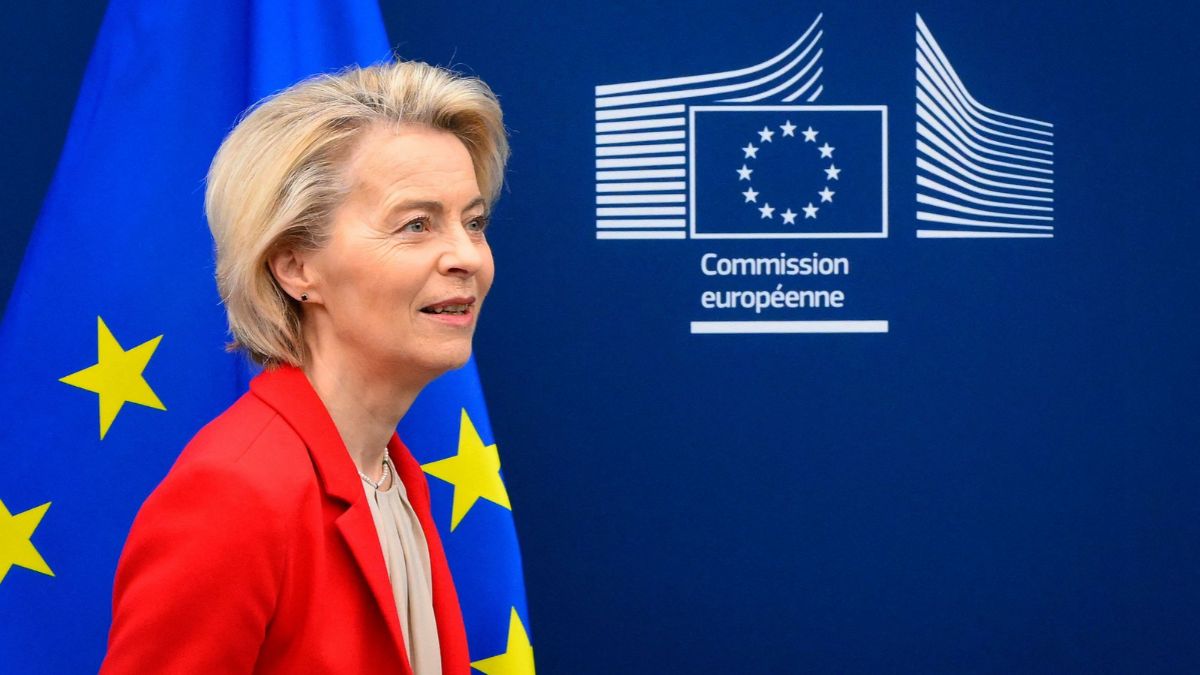
Tensions escalated further in February, when members of Revival attempted to force their way into the headquarters of the EU mission in Sofia during protests against Bulgaria’s adoption of the euro. European Commission President Ursula von der Leyen condemned the incident as “outrageous”.
Election integrity and pro-Kremlin narratives under scrutiny
Experts say several recurring claims have gained traction in the run-up to the election. These include allegations that voting machines can be manipulated, as well as broader accusations that the electoral process is vulnerable to fraud. Such claims, analysts argue, have already had tangible political consequences, contributing to emergency changes in Bulgaria’s electoral code.
Other narratives have focused on the economy, particularly inflation, energy prices and the euro. Critics of Bulgaria’s eurozone entry have sought to link rising living costs directly to membership, presenting the single currency as a source of worsening financial pressure for ordinary citizens.
Researchers also point to a network of websites accused of amplifying pro-Kremlin talking points inside Bulgaria. One of the outlets most frequently cited is Pogled Info, which has been accused of republishing and repackaging material from sanctioned Russian sources and Chinese state-controlled media.
Analysts say the process often follows a familiar pattern: content first appears on foreign propaganda-linked platforms, then resurfaces on Bulgarian-language websites without proper attribution, before being rapidly circulated across social media by accounts aligned with pro-Russian narratives.
For observers of the Bulgarian political scene, the problem is not limited to isolated falsehoods. Rather, they argue, the country faces a broader structural challenge in which repeated elections, low public confidence and a permissive digital environment have combined to make disinformation a persistent feature of political life.
As voters prepare to return to the polls once again, officials and watchdog groups will be watching closely to see whether the measures now in place can contain the worst forms of manipulation, or whether Bulgaria’s latest election will once again unfold under the shadow of coordinated online interference.