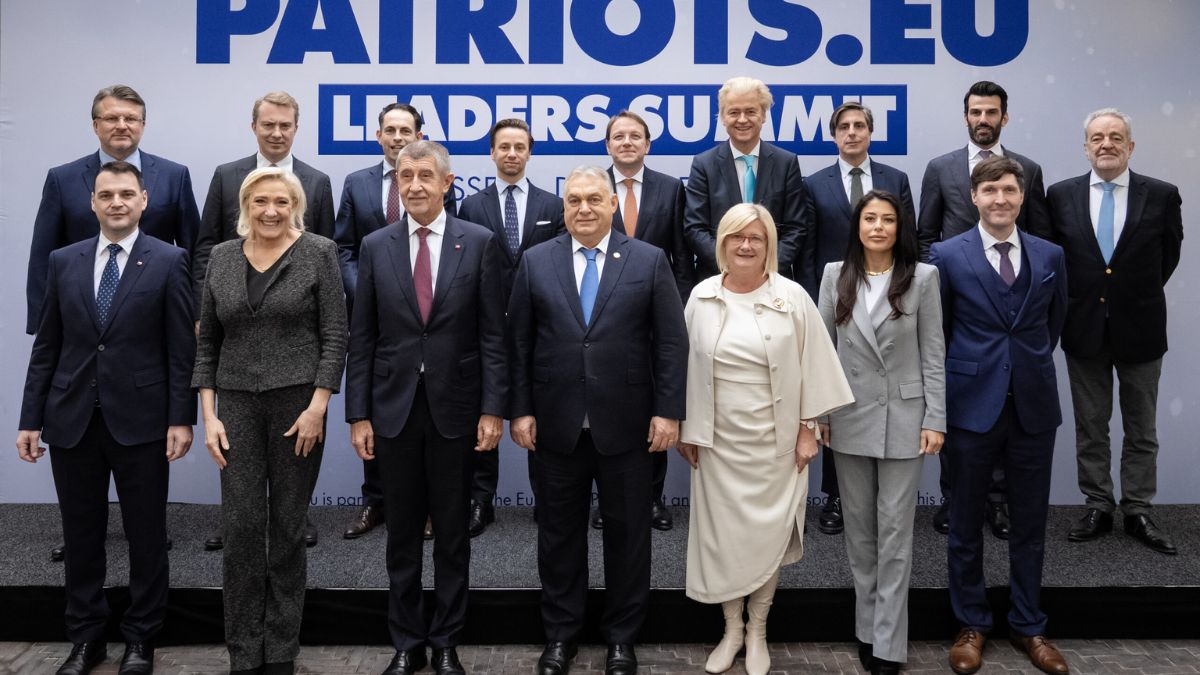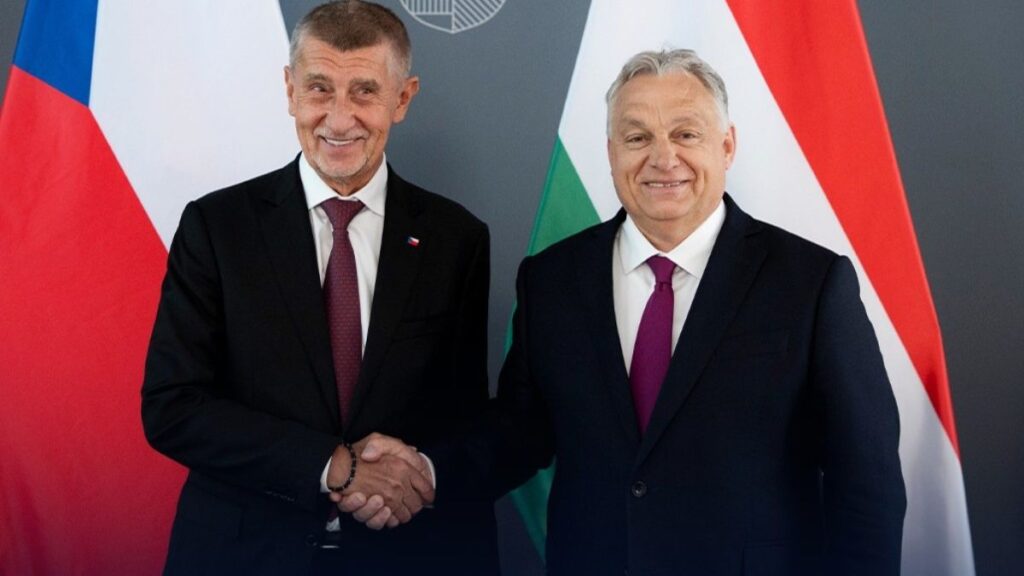
This time, Andrej Babiš, winner of the recent parliamentary elections in the Czech Republic, has announced that he will dismantle the Green Deal promoted by Brussels. The leader of the ANO movement has sealed a coalition agreement with Freedom and Direct Democracy (SPD) and Motorists for Themselves (Motoristé sobě), confirming an alliance that promises to alter the environmental course the European Union has sought to impose in recent years.
The pact, signed Monday afternoon, paves the way for a government openly critical of EU climate policies. One of the new administration’s main objectives will be to block the expansion of the Emissions Trading System (ETS2), which they view as a hidden tax on transport and heating. According to a leaked draft of the program, Prague aims to lead a “coordinated resistance” against the new green levies Brussels intends to impose on European citizens.
The future Czech cabinet also plans to intervene in the energy market to reduce regulated prices and ease the burden on households. The coalition agrees that European climate policies have caused excessive energy costs and harmed national economies for the benefit of the continent’s major industrial powers.
One of the most talked-about points of the agreement is the potential role of Petr Macinka, president of Motorists for Themselves, who has described the so-called “climate emergency” as “ideological propaganda.” Czech media suggest he could be appointed Minister of the Environment, news that has caused concern within the European Commission, which fears that Babiš’s new government could become a reference point for other dissenting Eastern European governments.
Reactions from Brussels have been swift. Members of the European Parliament close to the European People’s Party have warned that the Czech stance “undermines EU commitments” and that the rejection of ETS2 is “a worrying sign of environmental backsliding.” However, Babiš and his partners argue that EU climate mandates are “unsustainable” and that energy sovereignty must return to member states.
International analysts see potential domino effects. Mark Higgie, a columnist for The Spectator Australia, joked that UK Prime Minister Keir Starmer “will not find it easy to defend his green agenda if the EU ends up abandoning its plan to ban combustion-engine cars by 2035.”
With this shift, Prague joins a block of European countries questioning the economic viability of the Green Deal, adding a new challenge to the already fragile climate unity within the EU project.