Brussels sees a possible opening on Russia sanctions after a pair of developments that, for once, did not immediately collapse into the usual European paralysis: Viktor Orbán’s electoral defeat and Washington’s decision to let temporary relief for Russian oil lapse.
For more than two months, the European Union’s 20th sanctions package against Moscow has been stuck in limbo. The measures, which include a proposed ban on maritime services for Russian oil tankers, were first blocked by Hungary and Slovakia in the context of a separate dispute with Ukraine over the Druzhba pipeline. Later, the package was further overshadowed by energy market disruption linked to the US war on Iran.
Now, diplomats in Brussels believe the political equation may be shifting.
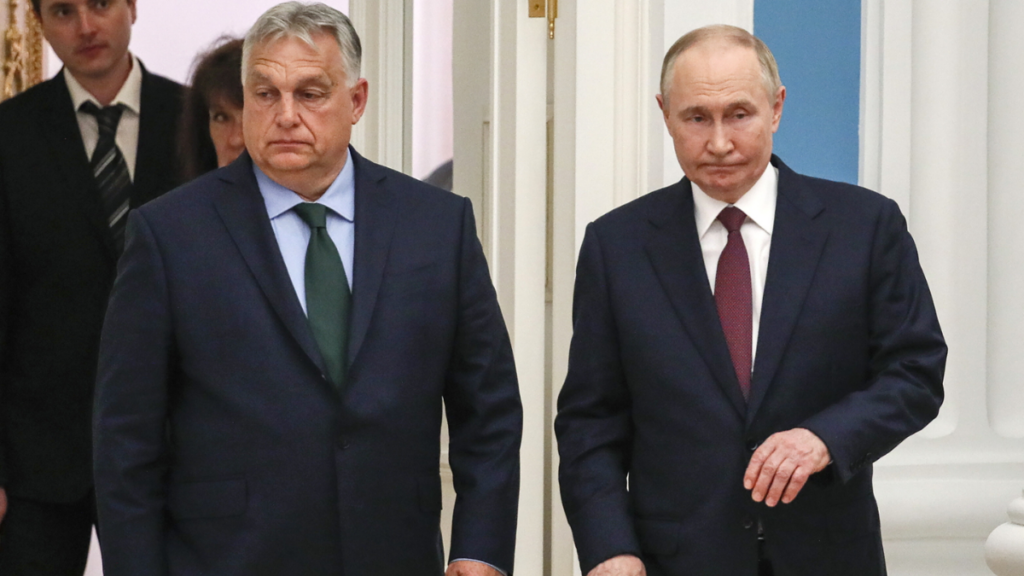
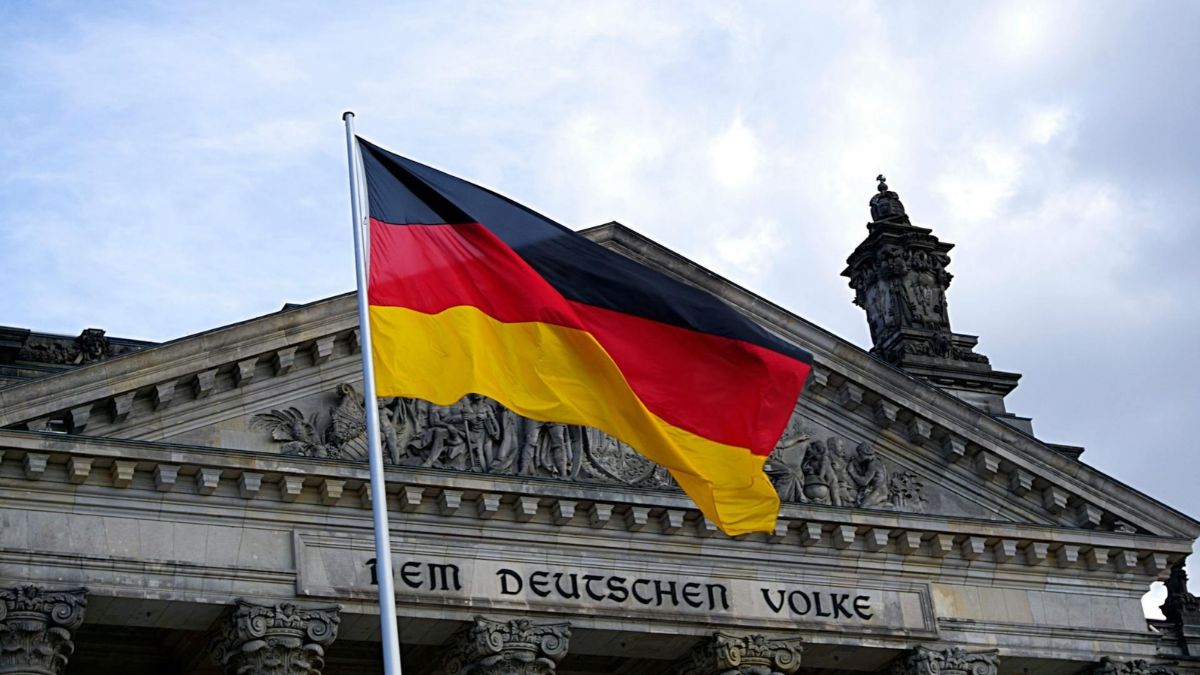
Orbán’s expected departure from office in May has fuelled hopes that Hungary’s resistance could soften under incoming prime minister Péter Magyar, who has pledged to take a more cooperative approach in dealings with the European Union. Although few expect Orbán to reverse course in his final weeks, officials increasingly see the transition in Budapest as a chance to revive not only the sanctions package but also the stalled €90 billion loan for Ukraine.
Slovakia remains a more uncertain variable. Prime Minister Robert Fico, a close political ally of Orbán, has also opposed the sanctions, though his objections have been framed less around the measures themselves than around the disruption of oil deliveries through the Druzhba pipeline. Ukrainian President Volodymyr Zelenskyy has said the damaged infrastructure should be repaired sufficiently to resume operations by the end of April, potentially removing one of Bratislava’s main arguments against the package.
Washington hardens its line
At the same time, the United States has moved to restore pressure on Moscow. Treasury Secretary Scott Bessent said this week that Washington would not extend the temporary licence that had allowed countries to buy Russian oil already in transit, a waiver introduced last month amid turmoil following the closure of the Strait of Hormuz.
The decision was closely watched in Brussels, where the earlier US move to ease restrictions had prompted sharp frustration. European officials saw the waiver as an ill-timed concession that weakened Western leverage just as Russia was benefiting from soaring energy prices.
That benefit has been substantial. Russian Urals crude has traded above $110 a barrel, pushing revenue from crude and refined exports to $19 billion in March, up from $9.7 billion in February, according to International Energy Agency figures. The windfall has provided Moscow with an important cushion at a time when broader signs of economic weakness have continued to mount.
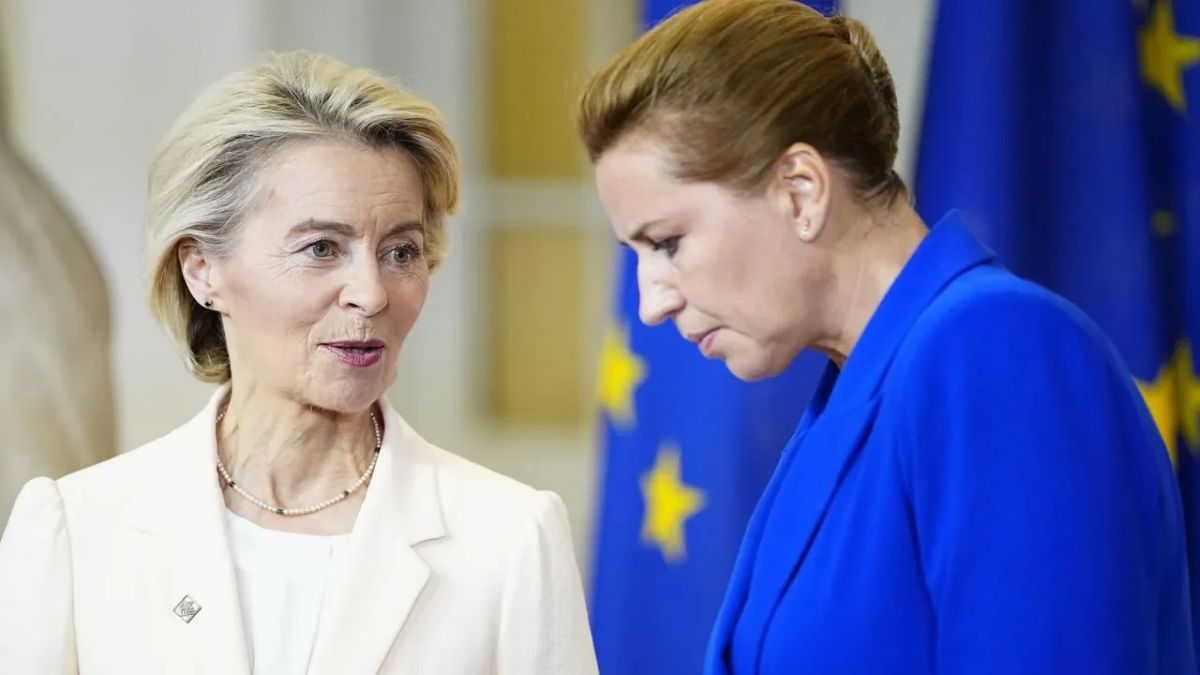
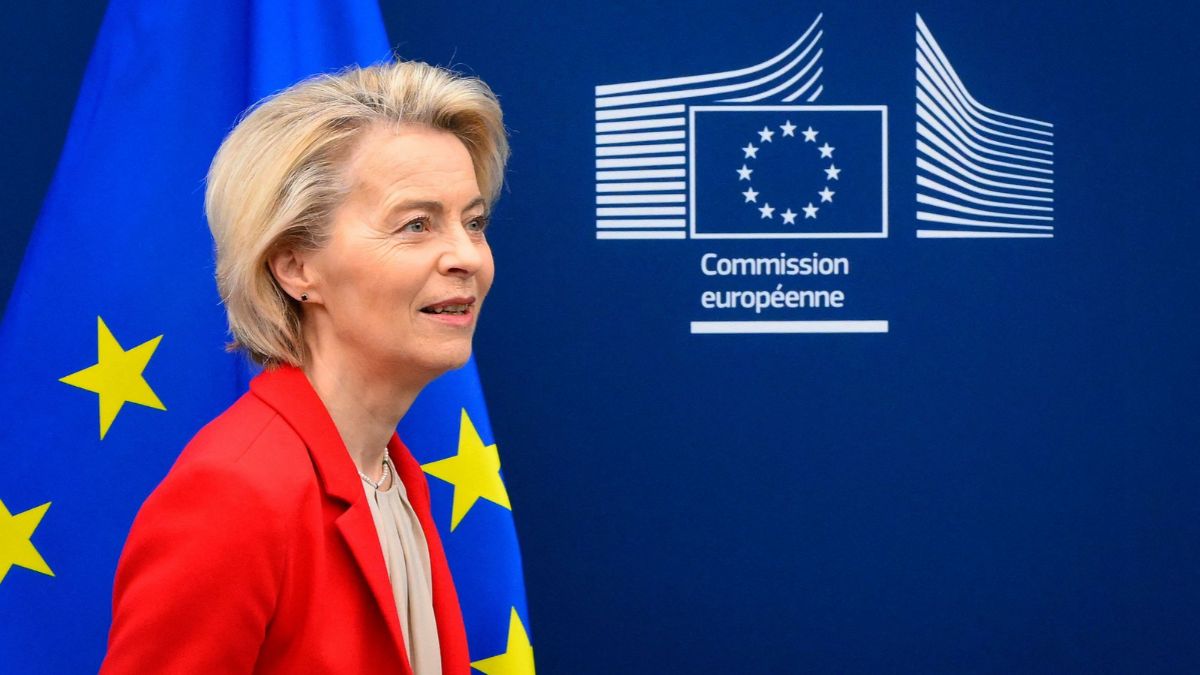
European Commission chief spokesperson Paula Pinho said on Thursday that any sanctions relief for Russia at this stage would undermine efforts to sustain pressure on the Kremlin. She also pointed to Moscow’s latest attacks on Ukrainian cities as further justification for advancing the package.
Still, one major question remains unresolved: whether the EU will move ahead with the maritime services ban without G7 backing. Brussels had intended the measure to be coordinated with its partners as a tougher replacement for the price cap mechanism, which EU officials now regard as increasingly ineffective against Russia’s so-called shadow fleet.
For now, the Commission is still seeking alignment with the G7. But officials are leaving open the possibility that, if no broader agreement materialises, the bloc may decide to act on its own. Civilization, apparently, still requires several rounds of hesitation before doing the obvious.