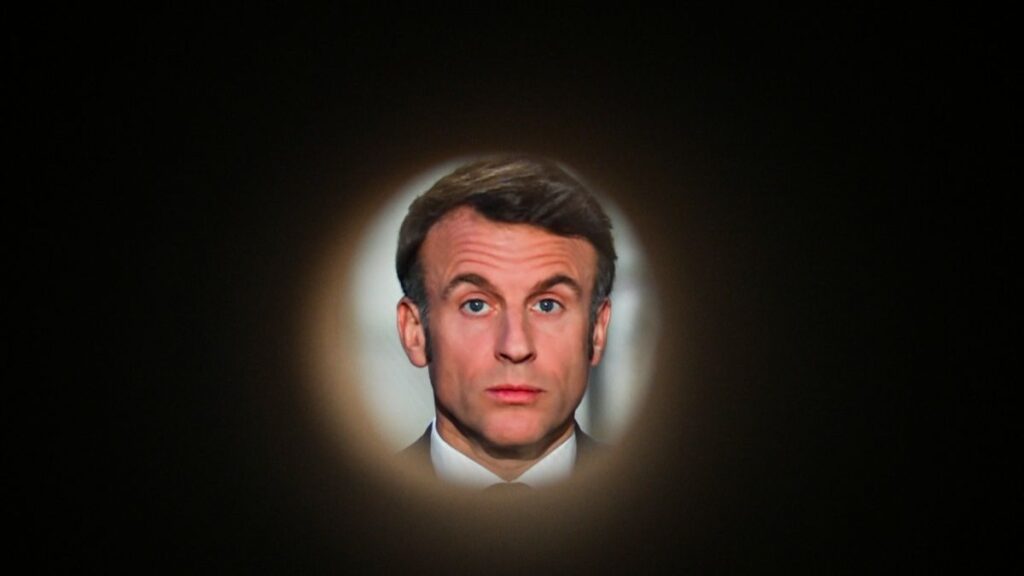
The French National Assembly has unanimously voted against the European Union-Mercosur trade agreement, a political move that sends a direct message to President Emmanuel Macron. The motion passed with 245 votes in favor and none against. While the vote carries no immediate legal consequences, it delivers a clear signal just weeks before the pact is scheduled to be officially signed on December 19. The decision highlights growing domestic concerns over the potential impact of the agreement on French agriculture and the country’s sovereignty in trade matters.
Julien Limongi, a deputy from the National Rally, described the Mercosur deal as “a stab in the back” for the French farming sector, reflecting fears that local producers could be undercut by cheaper imports from South America. Vincent Trébuchet, representing the Union of the Right for the Republic (UDR), went further, denouncing the agreement as a “national betrayal” and accusing France of turning into “a bargaining chip in the global market.” Their remarks underscore the political tension surrounding the deal and the challenge Macron faces in balancing international trade ambitions with domestic pressures.
The opposition to the agreement is not confined to Paris. In early November, more than 100 Members of the European Parliament called for a halt to its approval process. They plan to bring the matter before the Court of Justice of the European Union to determine whether the text complies with EU treaties. Among the concerns raised are the newly introduced “rebalancing mechanism,” the separation between the trade and association chapters, and uncertainties regarding compliance with European environmental and health standards. The group of signatories spans multiple political parties and includes representatives from countries particularly critical of the pact, such as France, Belgium, Poland, and Ireland.
As the December deadline approaches, the vote reflects not only domestic political tensions but also broader debates across Europe about trade, environmental protection, and the future of EU external agreements. The outcome signals that any attempt to finalize the Mercosur agreement will face both legal scrutiny and sustained political resistance.