It cannot be repeated often enough. The ‘southern border’ referred to by NATO in its strategic doctrine and documents, to which Spain adheres, is not Morocco, our hostile neighbour, nor the Sahara occupied and plundered by the Moroccans. The Alawite regime is a loyal and therefore rewarded ally of the United States, NATO, the European Union, Israel and France. The southern border, to which resources, surveillance, bribes and even troops are allocated, consists of the Sahel: from Senegal and Mauritania to Niger and Chad, countries with which the Spanish have never had any relationship, except for the Almoravid invasion, because they were colonised by the French. The French have left behind such a disaster that its consequences are already affecting us.
In recent years, nationalist military juntas have been established in Mali, Burkina Faso and Niger, whose first measures have been to expel the French, both civilians and military personnel, as they consider that for decades they have taken control of their natural resources and have failed to eradicate jihadist terrorism, despite the deployment of military units since 2014. Senegal, where a democratic regime remains in place, also forced Paris to abandon the last military base it had occupied since 1960. The handover took place this summer. France has been an intriguing country in its former colonial empire, but its recent departure has not brought peace or stability. On the one hand, the place occupied by the French has been filled by more criminal gangs or rebels and even Russians; and, on the other hand, Paris wants revenge on its protégés.
In recent days, a diplomatic crisis has erupted between the governments of Paris and Bamako. France suspended its counter-terrorism cooperation with Mali and ordered two Malian diplomats to leave its territory by Saturday 20th, in response to the arrest last August in Bamako of a French diplomatic agent, accredited as a member of the embassy.
President Assimi Goita’s regime had accused unnamed foreign governments of promoting a coup attempt led by a group within the armed forces. The French Foreign Ministry declared the accusations unfounded and demanded the release of the French citizen. Bamako’s latest response has been to expel five French diplomats, who were required to leave Mali by Sunday.
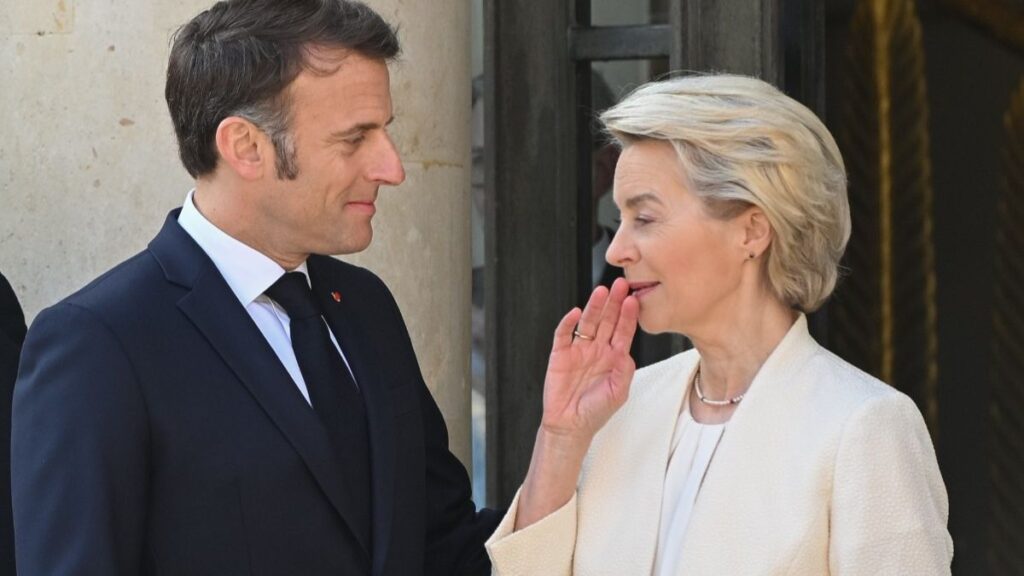
Until now, despite the clashes, the intelligence services of both states had maintained cooperation in the fight against Islamist terrorism. But Macron has chosen to jeopardise the safety of his compatriots and that of all Europeans in order to get his way.
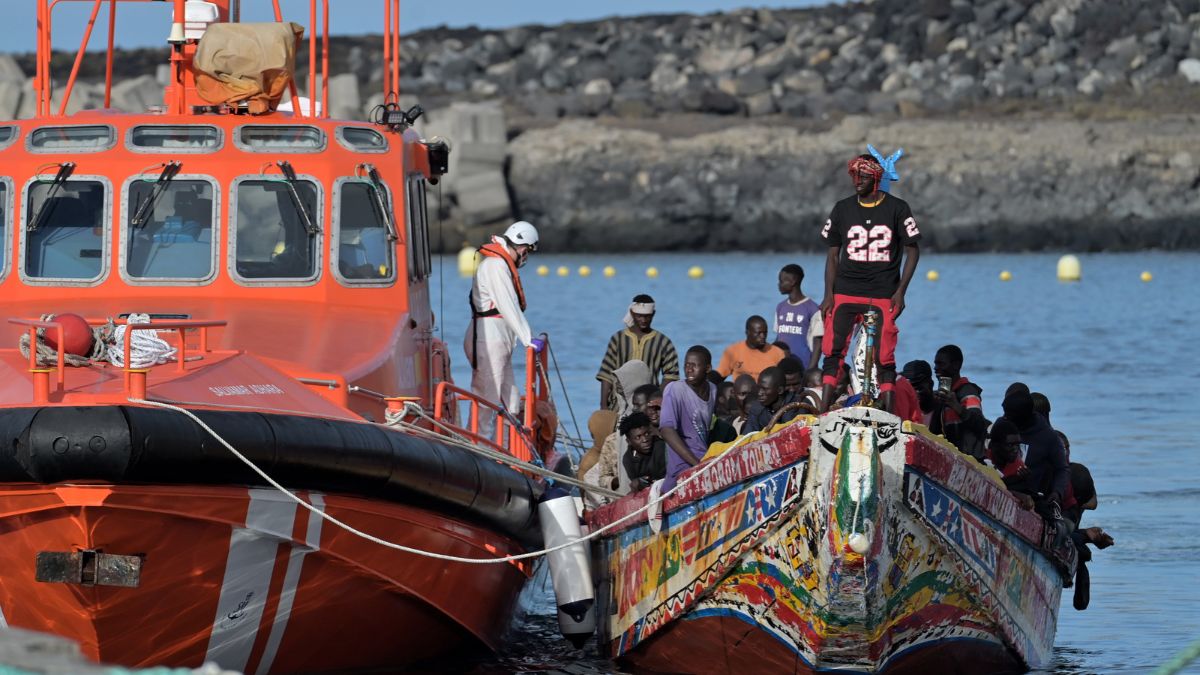
The reaction of General Goita’s regime, whose army is fighting jihadists in western regions near the borders with Senegal and Mauritania, may be to allow passage to these two countries to board boats bound for the Canary Islands. For Spain, more worrying than the possible jihadists (most of these terrorists come from the Maghreb, Iraq or Syria) are the waves of immigrants from Mali. It is estimated that up to 300,000 want to reach the Spanish archipelago.
Malian communities depend on remittances sent by their members from Europe, which is why political regimes, whether party democracies, military juntas or theocratic monarchies, do not want to stop illegal emigration.
Africans from Senegal, Niger, Nigeria or Gambia need only say that they are nationals of Mali for the Spanish socialist government to grant them political asylum, on the grounds that there is a conflict with jihadists in that country. The lie is neither investigated nor punished. According to data from 2024, 96% of Africans who claimed to come from Mali received protection from Spain.
In January 2024, the number of Malian citizens legally residing in Spain was close to 33,000. In France, in 2023, that number was 150,000. In both cases, illegal immigrants are not counted for obvious reasons. The vast majority of them are young men of military age. There are hardly any women or children. Saying that you are from Mali, even if you do not have a passport to prove it, is a guarantee that you will be able to stay in Spain, supported by the authorities, and perhaps later move around Europe.