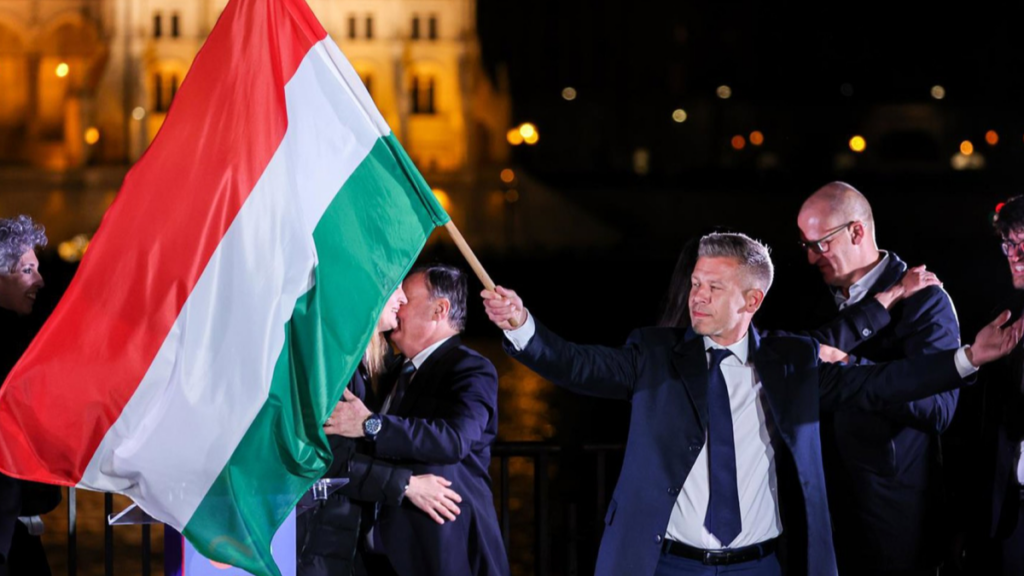
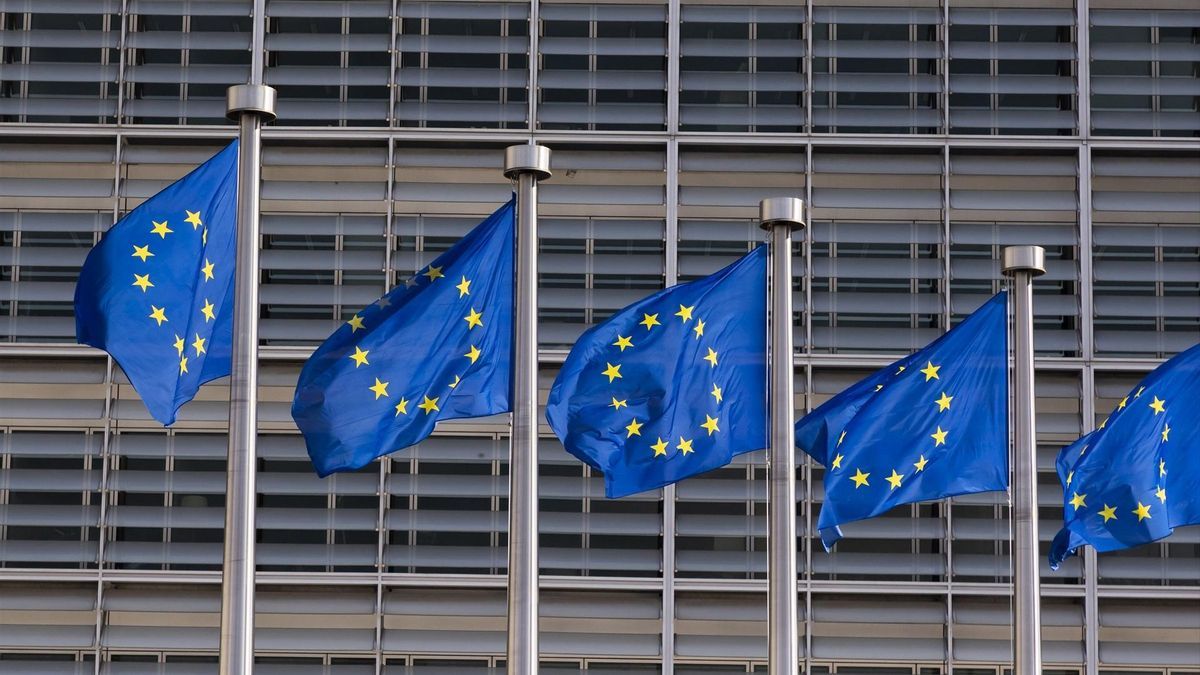
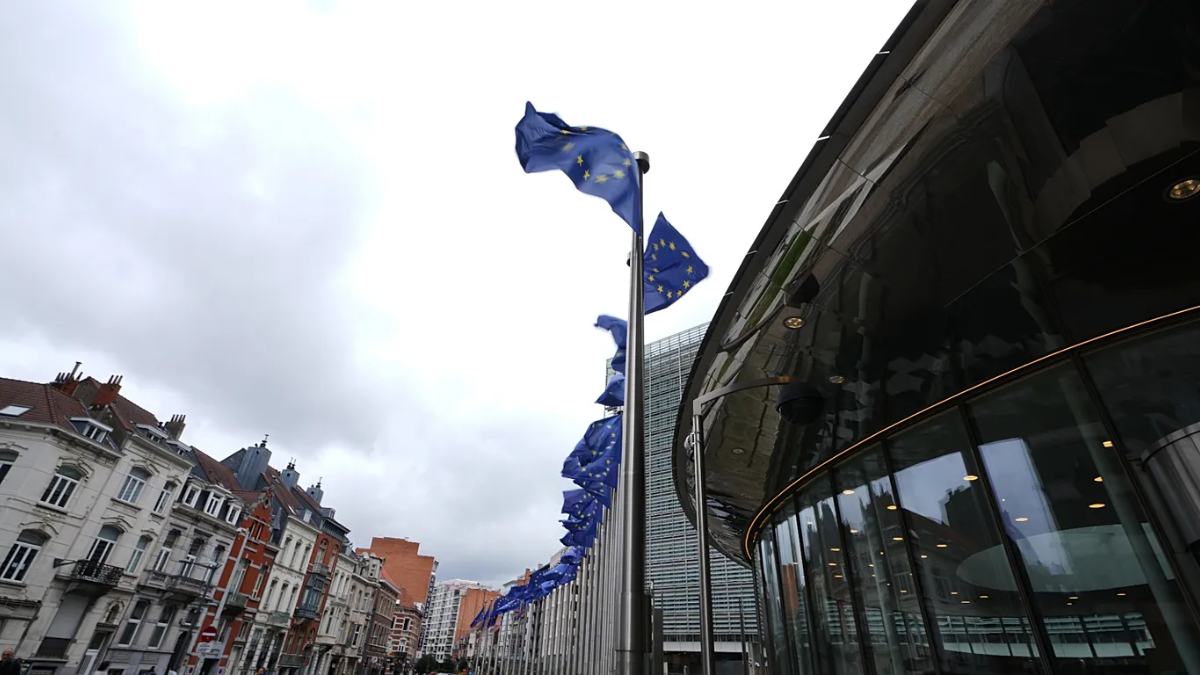
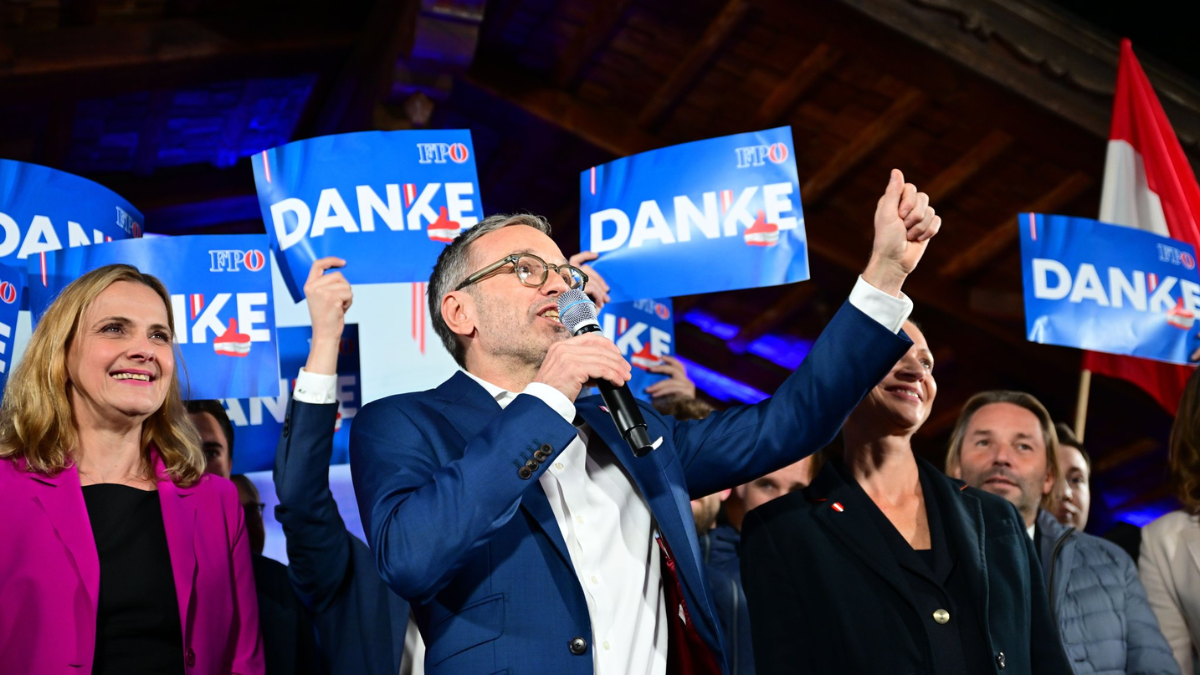
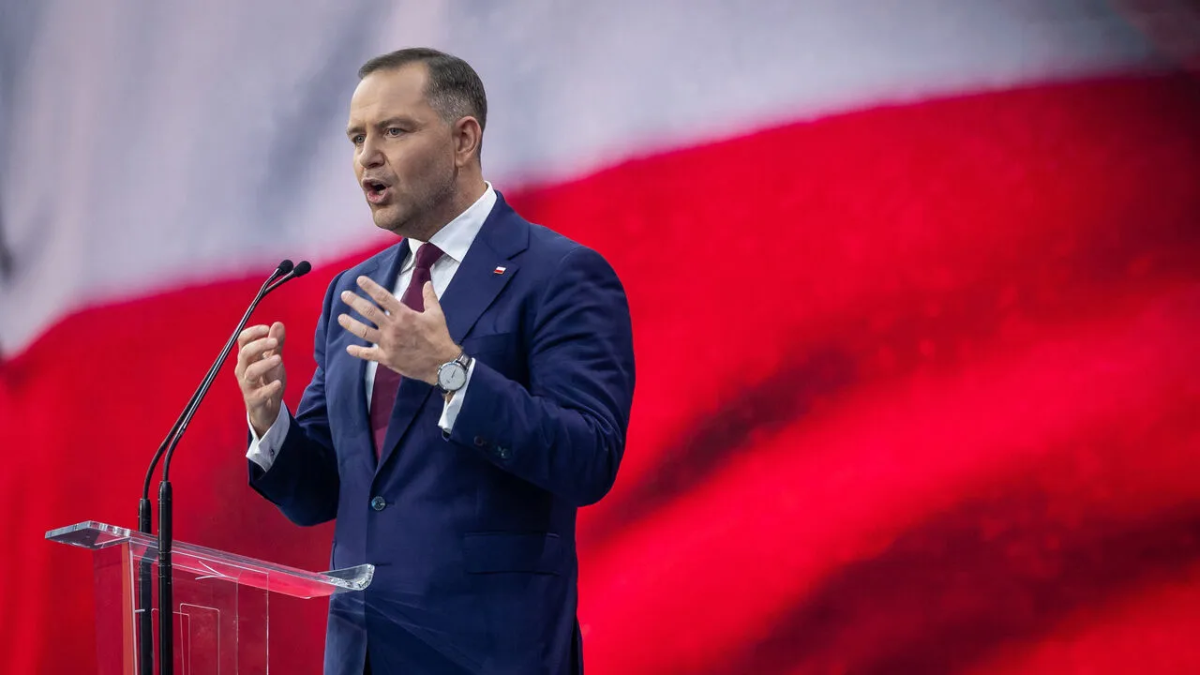
Brussels is cautiously optimistic after Hungary’s political shift, where Péter Magyar defeated long-time Prime Minister Viktor Orbán, opening the possibility of renewed ties between Budapest and the European Union.
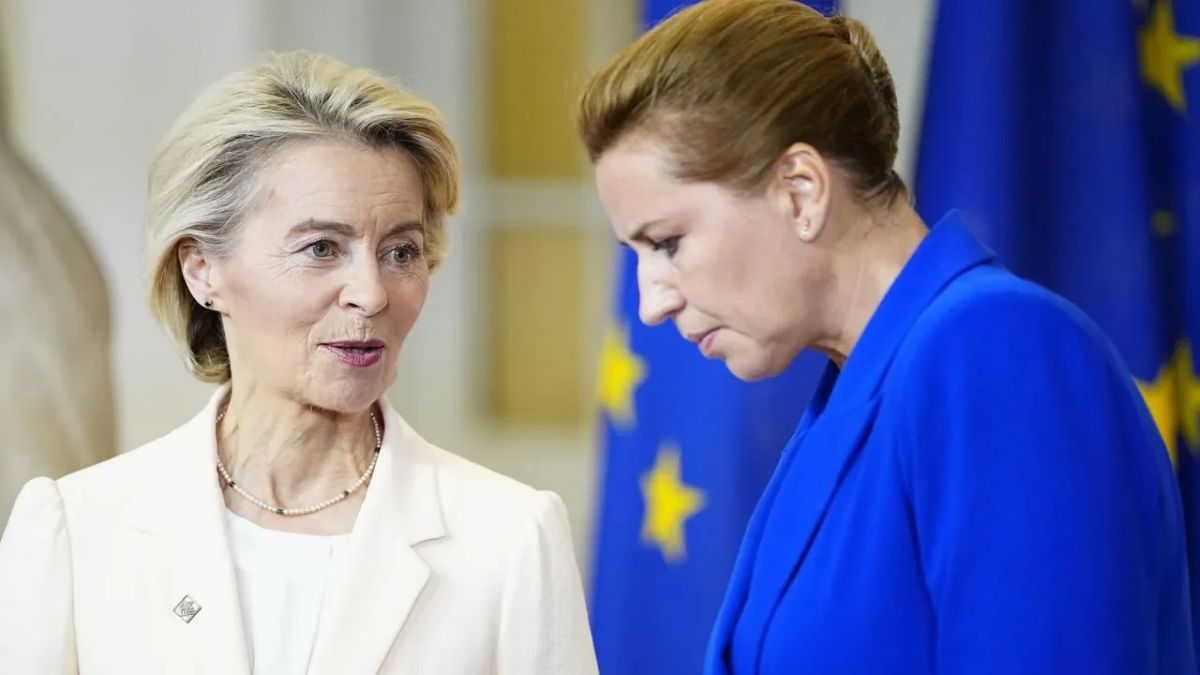
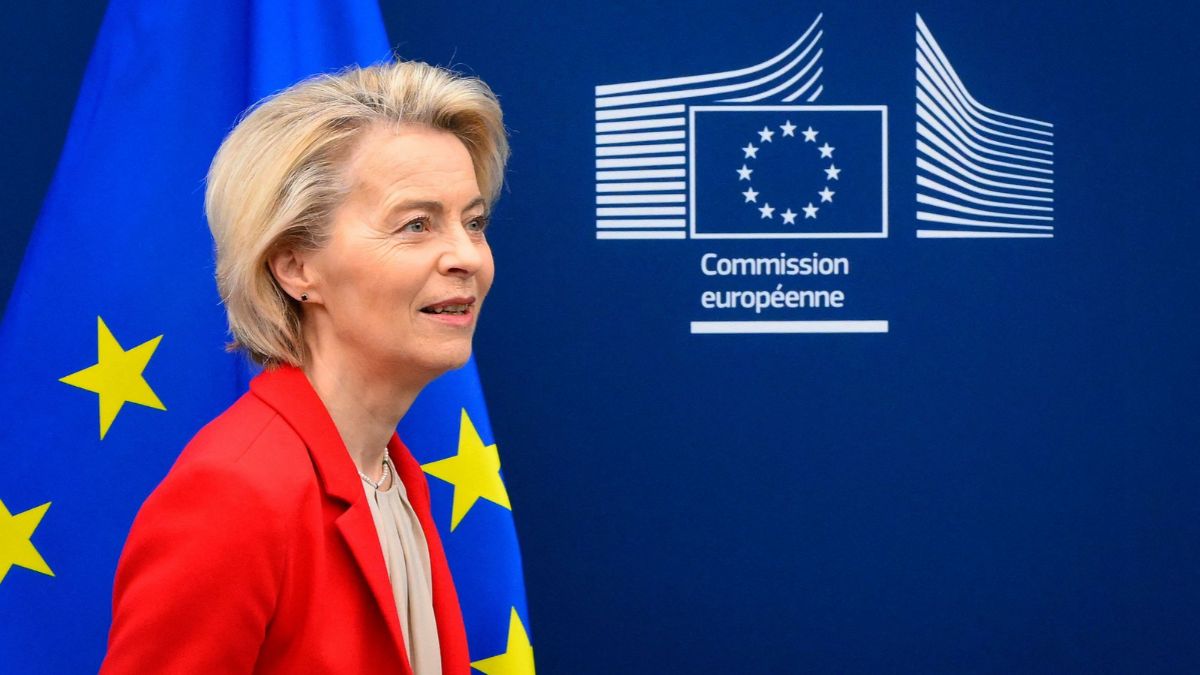
European Commission President Ursula von der Leyen called for swift engagement, noting that initial contacts could begin immediately. Still, any meaningful reset is expected to take shape once Magyar formally takes office, likely in mid-May.
A key issue in the evolving relationship is access to EU funding. Hungary could move to unlock around €17 billion in frozen funds, as well as €16 billion in defence financing still awaiting approval. These resources are expected to play a central role in rebuilding trust and supporting Hungary’s economic outlook.
A cautious shift in policy direction
In his first major press appearance after the election, Magyar outlined priorities that reflect both alignment with EU objectives and domestic constraints. He signalled openness to joining the eurozone, while maintaining a firm stance on migration.
On Ukraine, Magyar adopted a stronger position than his predecessor, arguing that no country should be forced to give up territory as part of a peace agreement. He also hinted at lifting Hungary’s veto on the EU’s €90 billion financial package for Kyiv, a move that could unlock critical support.
However, he maintained Hungary’s position of not contributing directly to the fund, citing budgetary limitations. He also expressed scepticism about Ukraine joining the EU within the next decade, opposing any accelerated accession process.
Despite signalling a willingness to diversify energy sources, Magyar avoided committing to a full break from Russian oil and gas. Instead, he emphasised cost considerations, suggesting Hungary would prioritise affordable energy over geopolitical alignment.
Global tensions add economic uncertainty
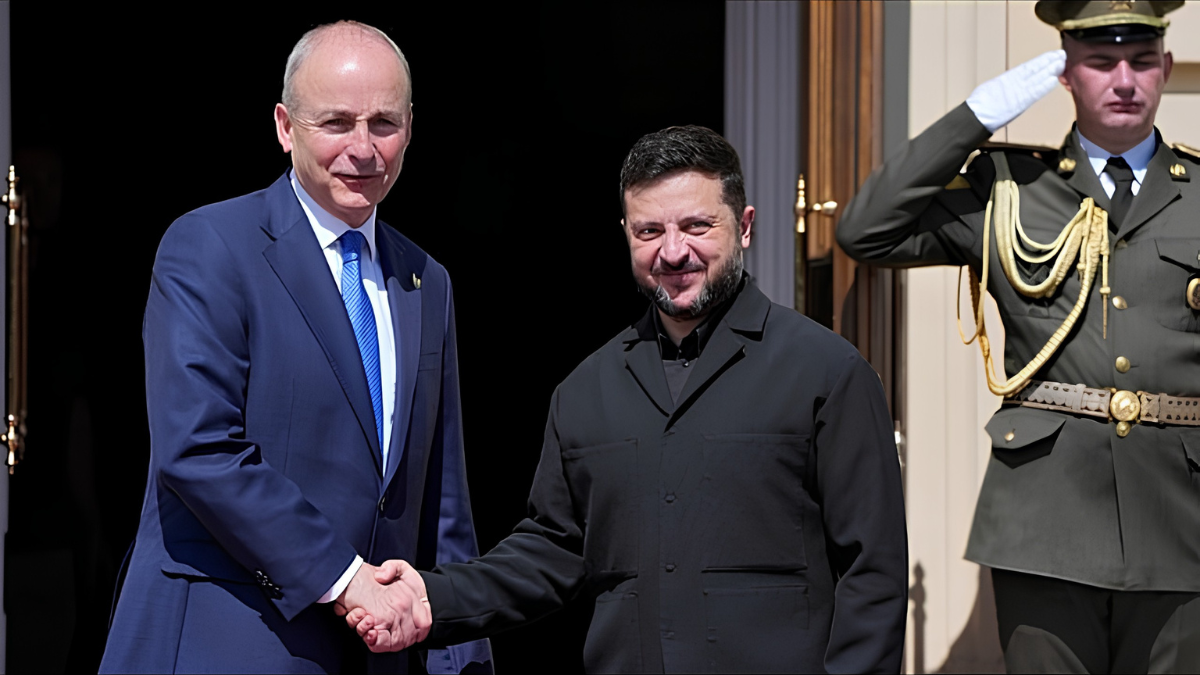
Beyond Hungary, wider geopolitical tensions continue to weigh on Europe’s outlook. Ukrainian President Volodymyr Zelenskyy has called for discussions on a joint European air defence system, highlighting growing security concerns across the continent.
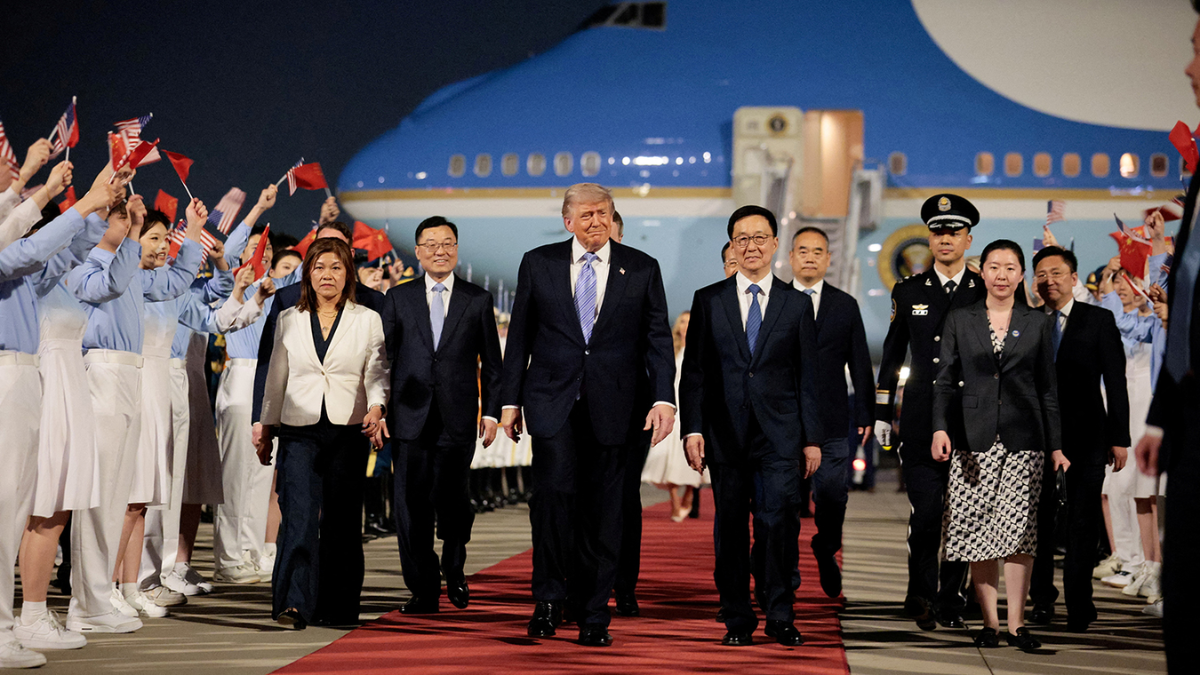
At the same time, tensions in the Middle East have escalated after Donald Trump announced a blockade of Iranian ports, increasing pressure on Tehran. The move has already disrupted shipping routes near the Strait of Hormuz, raising fears of further instability in global energy markets.
According to European Bank for Reconstruction and Development President Odile Renaud-Basso, a prolonged conflict involving Iran could have significant economic consequences. Sustained oil prices near $100 per barrel may reduce economic growth by 0.4% and push inflation up by around 1.5% in affected economies.
While not pointing to an immediate recession, she warned that a worsening scenario would have broader impacts, particularly as European governments now have less fiscal flexibility to offset rising energy costs compared to previous crises.
The EBRD has already announced €5 billion in planned investments to support Middle Eastern economies affected by the conflict, aiming to stabilise regions where private sector activity is retreating.
Europe, meanwhile, finds itself balancing cautious optimism over Hungary’s political shift with the uncomfortable reality that global instability rarely waits for political transitions to settle down.