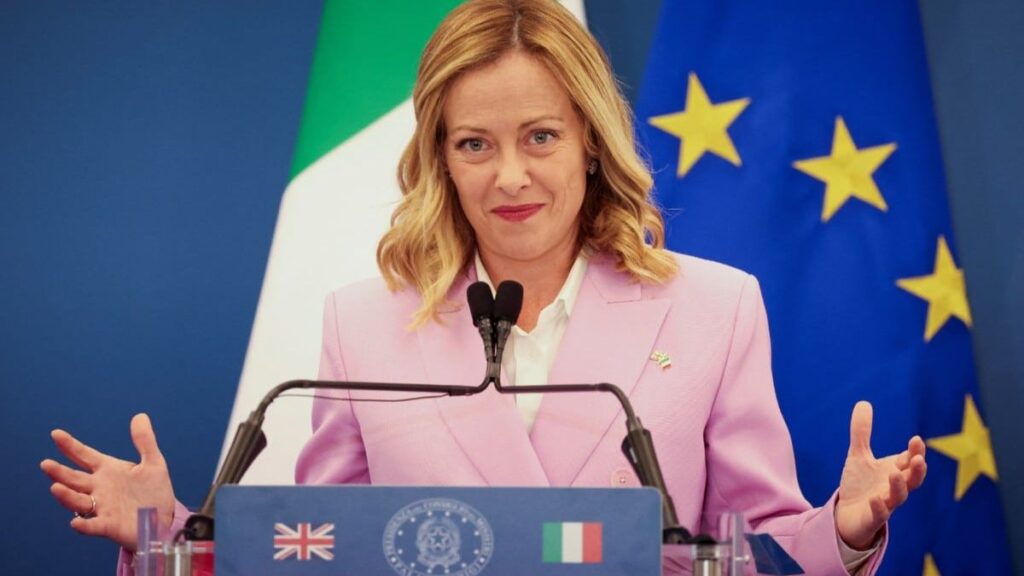
‘Queen of Europe and icon of the new right.’ This is how the French press celebrates Giorgia Meloni 1,000 days in the Italian government. The latest issue of the conservative weekly Valeurs actuelles dedicates the cover and an extensive report to her, presenting her not only as a solid leader but as the major political reference of the moment in Europe. ‘Mamma mia, Giorgia!’ the publication enthusiastically headlines, highlighting her firmness, approachability, and ability to exercise power without ostentation.
Since arriving at the Palazzo Chigi, Meloni has not only achieved political stability in a country accustomed to institutional chaos but has also placed Italy at the center of the European stage. After more than a thousand days leading the executive branch, her coalition has survived without cracks, and her party, Brothers of Italy, remains the most voted, maintaining close to 30% in the polls. In the words of the prime minister herself: ‘I will finish the term with the same government, whether the media likes it or not.’”
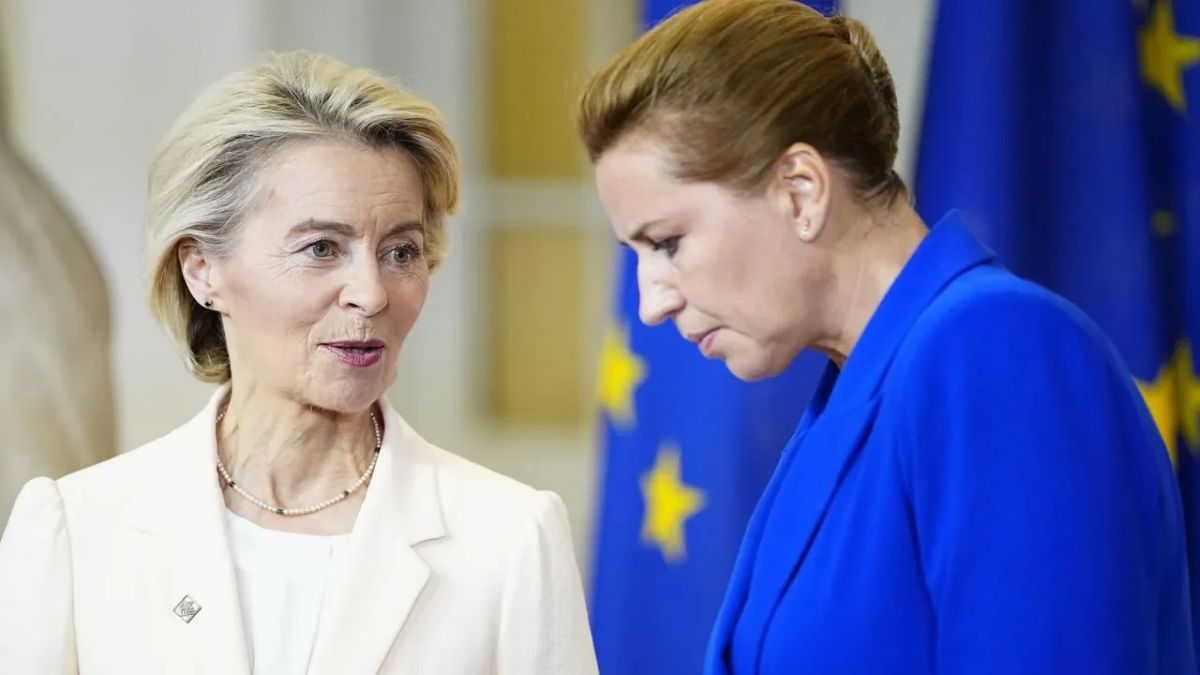
Her mandate has transformed Italy’s role in the EU. From Brussels to Paris, Meloni’s figure has become indispensable. This is evidenced by ongoing contacts with Emmanuel Macron, who, despite ideological differences, has strengthened ties with Rome in recent months. Even the President of the European Commission, Ursula von der Leyen, has found in Meloni a strategic ally, especially on issues like immigration and fiscal policy.
The key to her success lies in a mix of ideological firmness and pragmatism. She has led without excess, promoting policies combining social conservatism with fiscal responsibility. The deficit reduction—from 8% in 2022 to 3.4% in 2024—the reform of the social aid system, and the labor market recovery are some of her major achievements. Today, Italy records its lowest unemployment rate since 2008 (6.5%) and has added over one million jobs.
Meloni also reformed the controversial subsidy system established by previous governments: the ‘reddito di cittadinanza’ was replaced by a more targeted inclusion benefit. She curbed the effects of the super fiscal bonus that spiked public spending between 2021 and 2023. Fiscal prudence, combined with incentives for birth rates and tax relief, has restored investor confidence: the Milan Stock Exchange is growing, and Italy’s risk premium has dropped to levels close to France’s.
Domestically, Meloni has taken a tough stance on security. Her recent decree to strengthen law enforcement protection was applauded by supporters and criticized by the opposition. She does not hide: ‘Are we accused of restricting freedoms? Yes, if freedom means that criminals can act with impunity.’
Her communication skills, honed to the smallest detail, have also been decisive. In public events, she balances an energetic tone with empathy, and her presence conveys confidence. The French press even notes her style—cream blouse, stiletto heels, serene bearing—and her stage mastery in venues like Palazzo Brancaccio, where she captivates businesspeople, politicians, and diplomats alike.
Her impact transcends borders. For European conservatives, Meloni represents a successful synthesis of ideology and effective governance. ‘She is neither a heroine nor a radical: she is a serious conservative, connected with the people and far from the caricature of extremism,’ explains political scientist Lorenzo Castellani.
Even in France, traditionally wary of identitarian movements from southern Europe, Giorgia Meloni has changed the narrative. She is considered a role model: firm, modern, unashamed, and with a clear project.