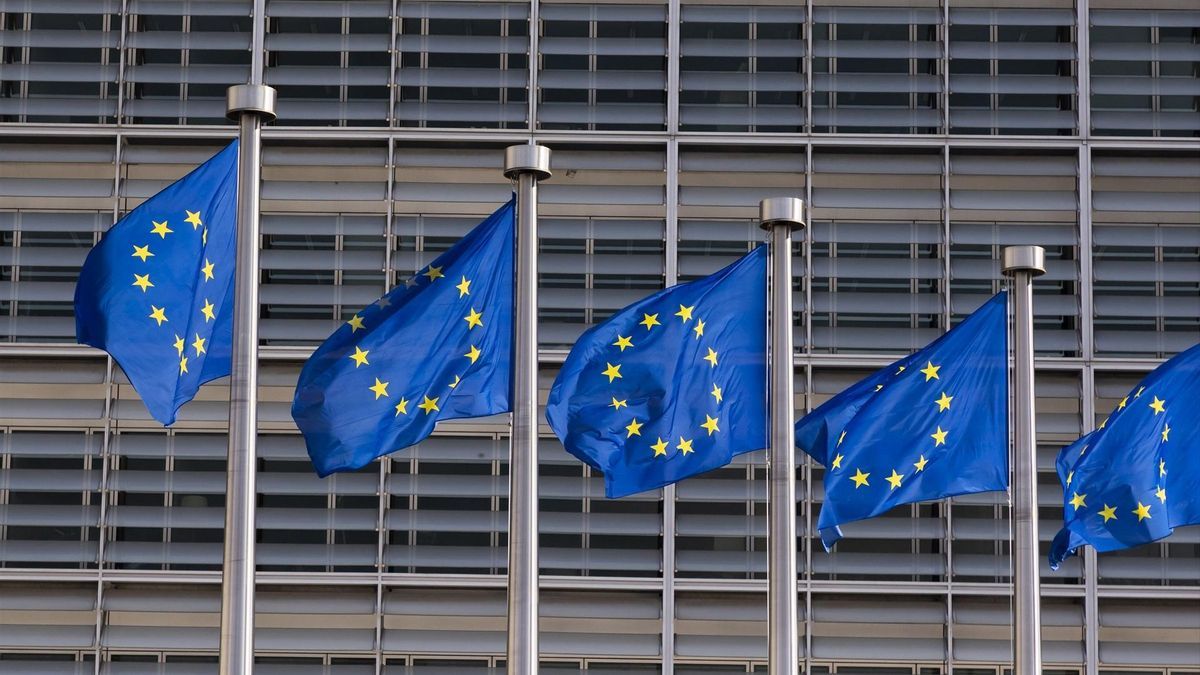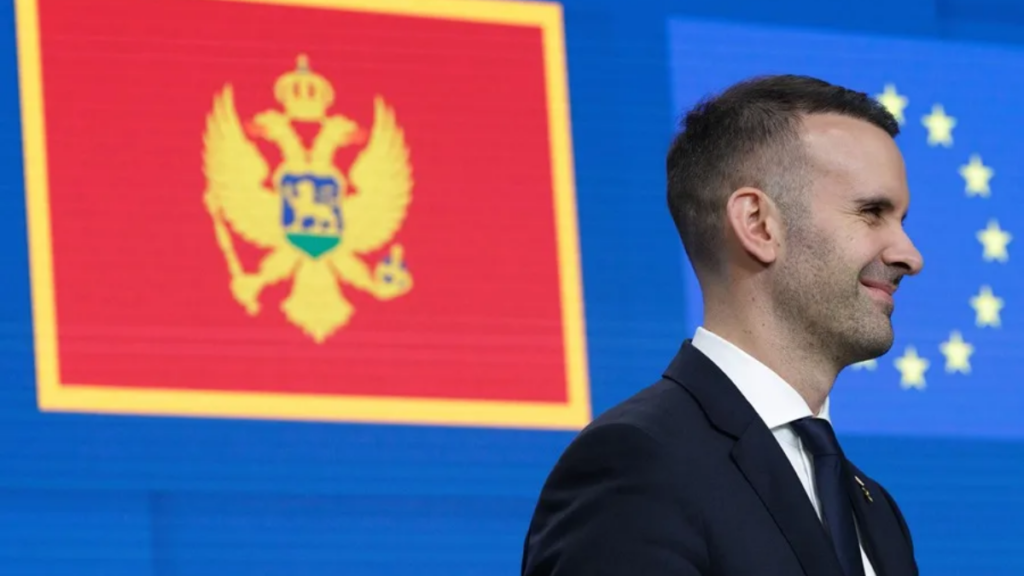
The European Union moved decisively this week to advance Montenegro’s long-running bid for membership, with ambassadors from all 27 member states authorising the formation of a specialised working group tasked with drafting a formal accession treaty for the Adriatic nation.
The decision, reached Wednesday, was hailed by European Council President António Costa as “a key milestone” and “a big step towards accession to the European Union” for the small Balkan country, which has held EU candidate status since 2010.
At a Joint Consultative Committee (JCC) session held Friday in Podgorica, Montenegro’s Minister of European Affairs, Maida Gorčević, framed the development in historic terms, describing the treaty drafting process as the beginning of “the final lap of a fourteen-year marathon on the path towards the EU.” She confirmed that full accession remains on schedule for 2028.
Historic opportunity, with conditions
EU officials were equally emphatic, but underscored that significant work remains before Podgorica crosses the finish line. Riccardo Serri, deputy head of the EU Delegation to Montenegro, told attendees that the country faces “a historic opportunity to bring its European Union accession process to a close” — though he warned that “there is no time to lose,” stressing that progress hinges on concrete institutional reforms in the months ahead.
European Commissioner for Enlargement Marta Kos echoed that message, confirming on Wednesday that “Montenegro’s place inside the EU is now taking shape.” Kos also said the process presents a broader opportunity for the bloc to incorporate stronger safeguards in future accession treaties, aimed at preventing backsliding on rule of law and democratic values.
Where negotiations stand
Montenegro has been navigating the EU’s structured accession framework, which groups membership criteria into 35 so-called “clusters” covering areas ranging from taxation and competition policy to environmental standards.
To date, Podgorica has successfully closed negotiations on 14 of those 35 clusters, leaving more than half still to be resolved before the 2028 target can be met.
Alongside neighbouring Albania, Montenegro has been among the leading candidates for EU entry since Croatia joined the bloc in 2013.
The country holds an unusual economic position: though not a member of the Eurozone, Montenegro uses the euro as its official currency following a unilateral adoption of the common currency.
The JCC, a joint body established between EU institutions and Montenegrin civil society organisations, serves as a formal mechanism for incorporating non-governmental perspectives into the country’s accession process under the framework of the Stabilisation and Association Agreement between Brussels and Podgorica.