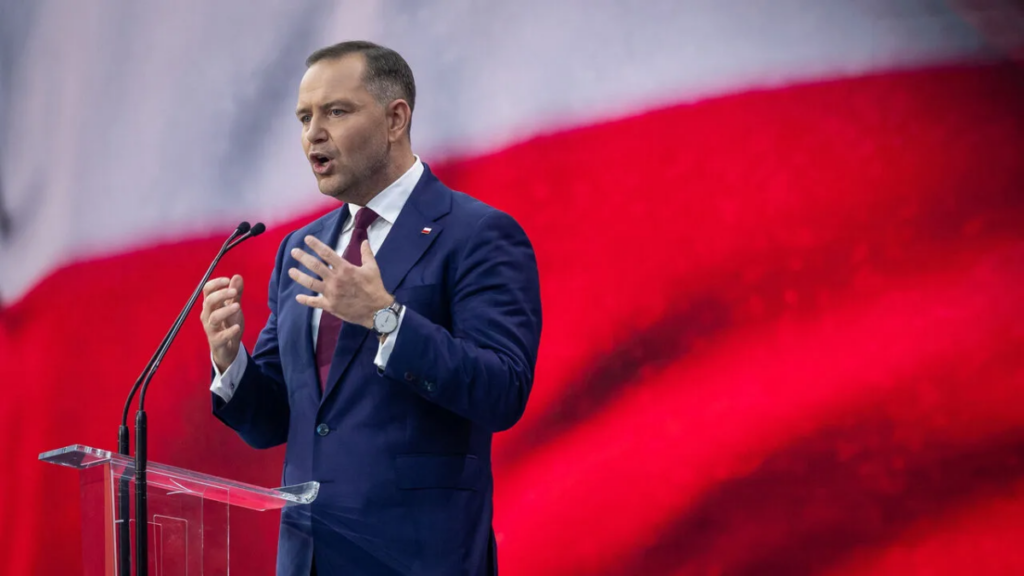
Polish President Karol Nawrocki has formally submitted a proposal to the Senate calling for a national referendum on the European Union’s climate policy — a move that threatens to deepen the already strained relationship between Warsaw and Brussels over the continent’s green transition agenda.
The vote, which Nawrocki hopes to hold on September 27, 2026, still requires approval from the upper chamber of parliament, where Prime Minister Donald Tusk’s governing coalition holds a majority. Senators are expected to debate the proposal during sessions scheduled for May 20 and 21.
The initiative has triggered considerable political controversy in Poland, in large part due to the wording of the referendum question itself.
As drafted by the presidential office, the question asks citizens whether they support implementing a European climate policy that — according to the very text of the question — has led to a rise in the cost of living, energy prices, and economic and agricultural burdens.
A Question Designed to Divide
Legal experts, political analysts, and figures close to the Tusk government have roundly criticized that framing, arguing that it embeds a political judgment into the question and is designed to steer voters toward a predetermined outcome.
Nawrocki’s nationalist allies, however, defend the move, contending that millions of Europeans are already feeling the economic weight of climate policies driven from Brussels and that Polish citizens deserve a direct say over measures affecting their industries, farms, and household energy bills.
The political backdrop matters. Poland remains one of Europe’s most coal-dependent economies, with the fuel accounting for a significant share of its electricity generation and industrial base.
The requirements flowing from the European Green Deal and the EU’s emissions trading system have met with fierce resistance from key sectors of Polish society, including miners, farmers, and trade unions.
Nawrocki has tied the referendum proposal directly to pledges he made during his presidential campaign to the historic Solidarity trade union, describing it as a commitment to shield the national economy from the adverse effects of the EU’s climate agenda.
A Pattern of Discontent Across Europe
The episode also reflects the broader power struggle unfolding inside Poland. Tensions between the presidency and Tusk’s executive have intensified in recent months over questions of national sovereignty, the country’s posture toward EU institutions, and the domestic consequences of decisions made in Brussels.
While the proposed referendum would not formally challenge Poland’s EU membership, it would represent an unprecedented political provocation against one of the European Commission’s most ambitious strategic priorities.
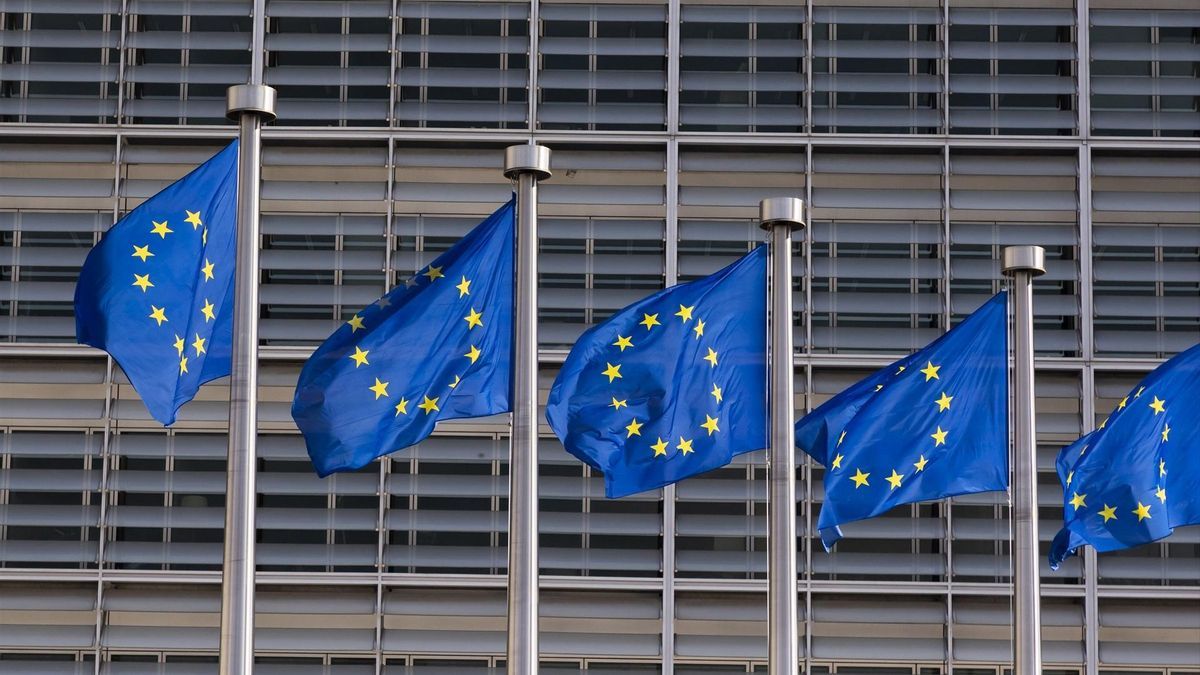
Brussels has yet to issue any formal response to the Polish proposal, and no specific countermeasures have been announced. Nevertheless, the move is already being read across European capitals as yet another flashpoint within the bloc at a moment when the pace and scope of climate policy implementation is itself under growing scrutiny.
Poland’s gambit fits a broader pattern of discontent. The Netherlands, France, Hungary, Spain, and Slovakia have all seen significant social unrest or sharp political clashes over the economic costs of the EU-driven ecological transition in recent years.
What sets Warsaw’s move apart is its scale and directness. No EU member state had previously proposed a national referendum framed so explicitly around rejecting the domestic application of European climate policy — and doing so in language as pointed as this.