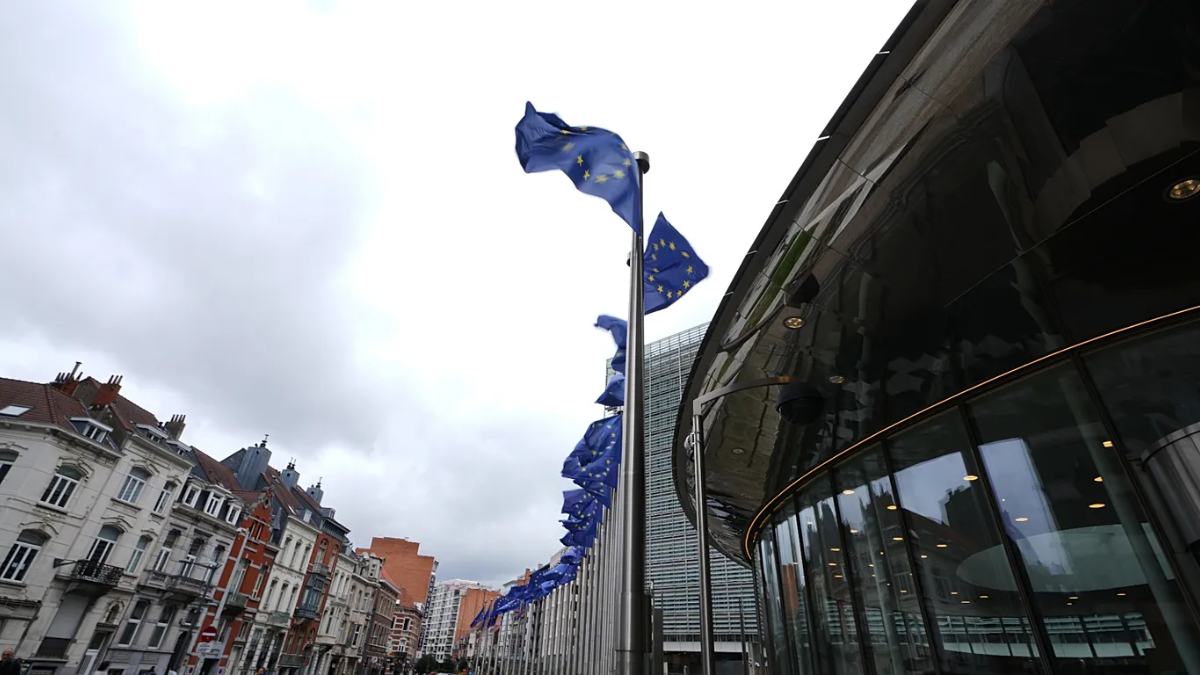
Hungarian Prime Minister Viktor Orbán has accused Brussels of attempting to push Hungary “toward a leftist and warlike government,” warning that if the opposition were to gain power, it would impose drastic tax increases on the middle class and urban voters, particularly in Budapest. Orbán’s remarks come amid ongoing debates over Hungary’s domestic policies and its relationship with the European Union, highlighting the deep political divide between the ruling Fidesz party and opposition forces.
During his speech, Orbán linked these potential policies to leaked plans from the Tisza Party, which he said echoed the EU’s longstanding demands for a tax system that would include pension levies and higher financial burdens on business owners. He portrayed these measures as part of a broader effort by Brussels to exert control over Hungary, framing the opposition as aligned with EU interests rather than the needs of Hungarian citizens.
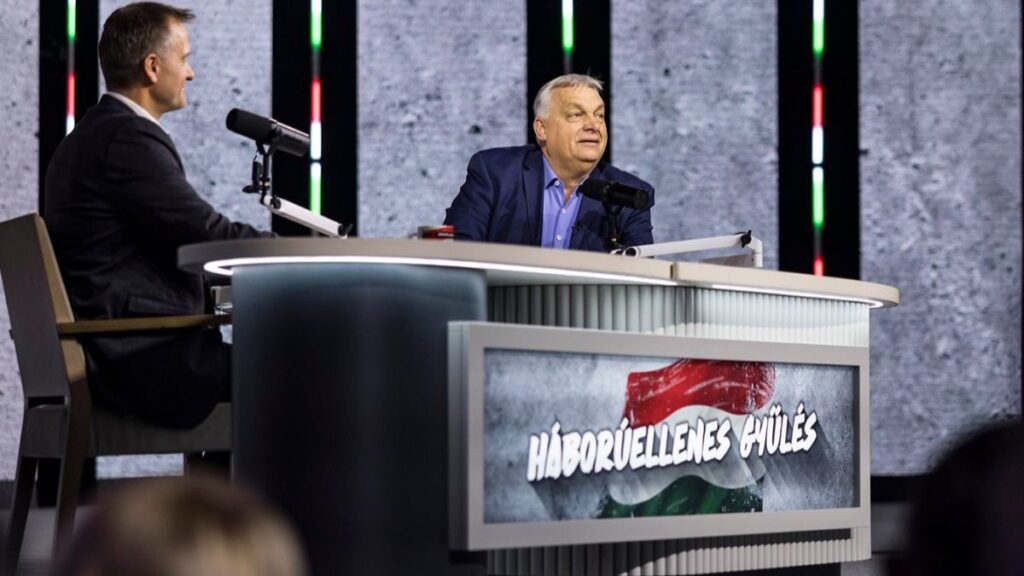
Speaking at an anti-war event in Nyíregyháza, Orbán emphasized his confidence in public support, asserting that Hungary would prevail in debates on foreign policy matters, just as it did in previous discussions on immigration. His message reinforced his broader political narrative, which positions Fidesz as the defender of national sovereignty against external influence.
In closing, Orbán highlighted the cultural and symbolic importance of rural Hungary, contrasting it with urban life. “There is an old saying: the air of the city makes you free, but the air of the village makes you Hungarian. We need both: freedom and Hungarian identity,” he said, emphasizing the need to balance modernization with the preservation of national traditions and identity.
Through his remarks, Orbán aimed to rally public opinion by portraying the opposition as a threat to both economic stability and Hungary’s cultural heritage, while reinforcing his own position as the guardian of Hungarian sovereignty and values in the face of perceived EU overreach. The speech underscores the growing polarization within Hungarian politics and the continuing tensions between domestic priorities and European integration.