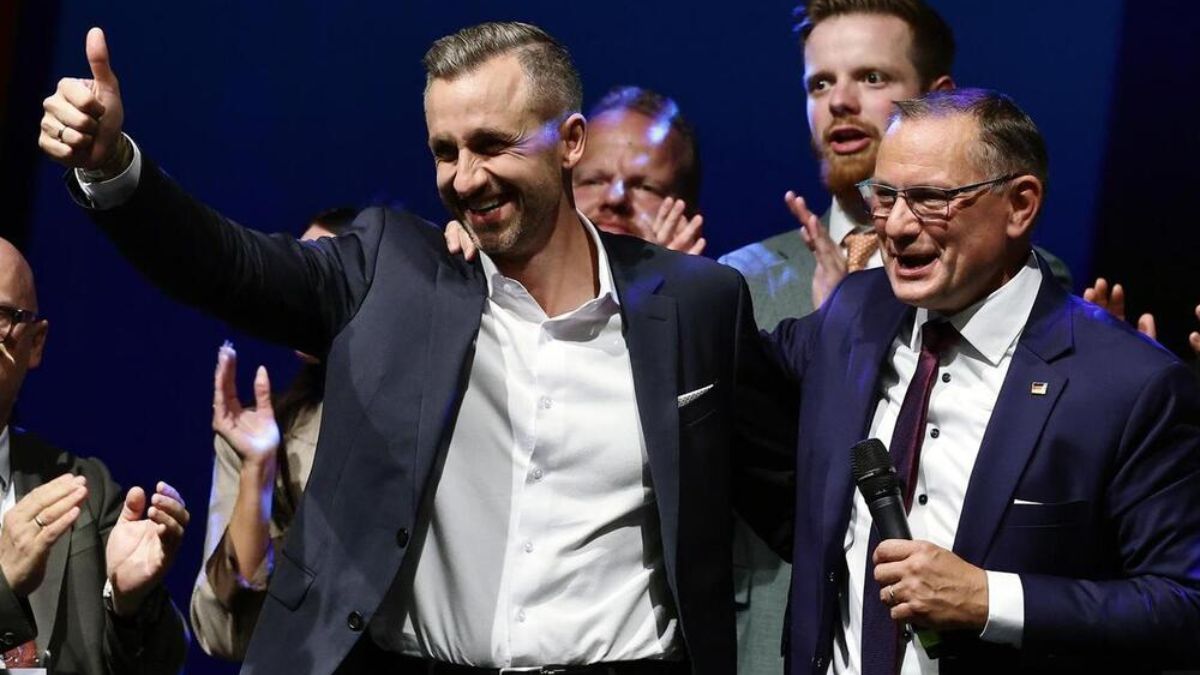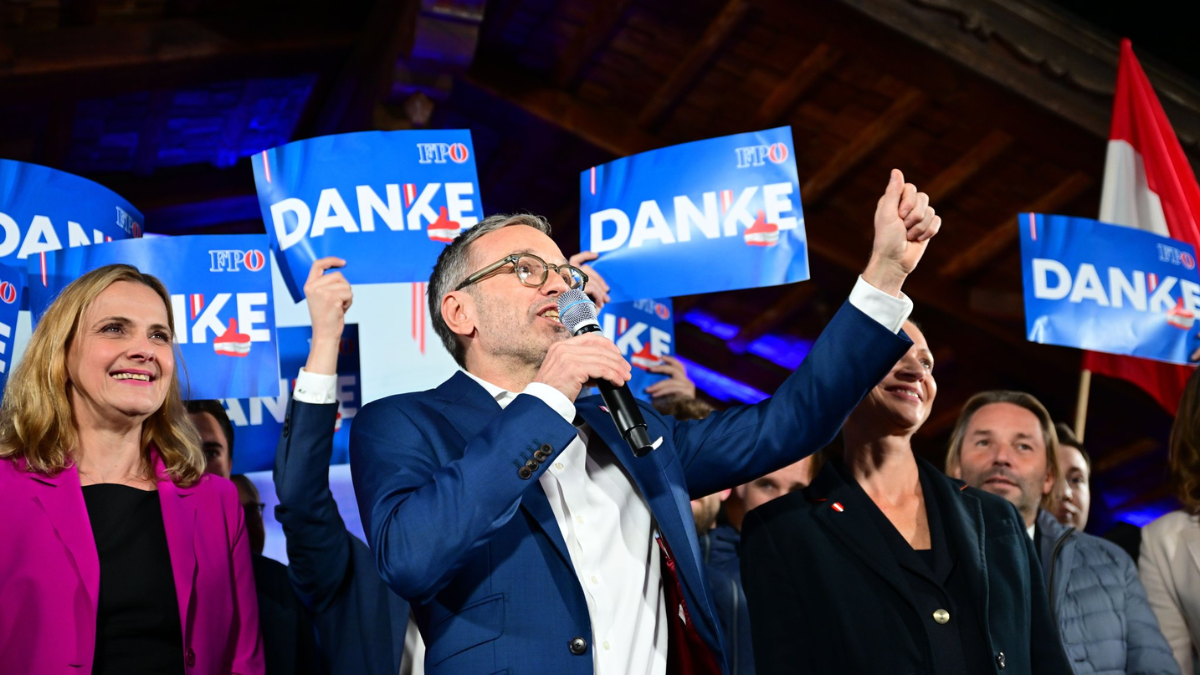
Rising energy costs in Germany have left households struggling to pay their bills, with gas prices now up to 82% higher than in 2021. Alternative for Germany (AfD), the right-wing party currently leading in national polls, warns that the increase is “unsustainable for families” and accuses the CDU of “pushing millions of households into poverty.”
“Electricity and gas prices have skyrocketed, turning heating into a luxury,” the party said. “The consequences are severe: 4.2 million households can no longer pay their bills and are falling behind with energy providers.” AfD calls for immediate policy changes to alleviate the burden on citizens, criticizing the current government’s approach to the energy transition.
The party urges a reversal of Germany’s so-called “green transition,” arguing that the remaining nuclear power plants should be reactivated to provide clean, reliable, and affordable energy. “Instead of continuing with the CDU’s reckless energy policies, Germany needs solutions that citizens can actually afford,” AfD added.
Heating costs are expected to rise further this winter. For example, warming a 70-square-meter apartment with gas will cost approximately 15% more than last year. Over the past four years, energy costs have reached record levels, rising 82%, according to Techem, a company specializing in energy services and consumption measurement.
Experts and opposition parties point to the government’s strong focus on renewable energy and its energy transition policies as key factors driving the price hikes. While the shift toward greener energy is intended to reduce emissions and combat climate change, critics say the approach has placed an undue financial burden on ordinary households.
As German families face ever-higher bills, debates over the country’s energy future continue to intensify, highlighting the tension between environmental goals and economic realities. For millions of citizens, the question now is whether affordable heating can survive the push toward a greener Germany.