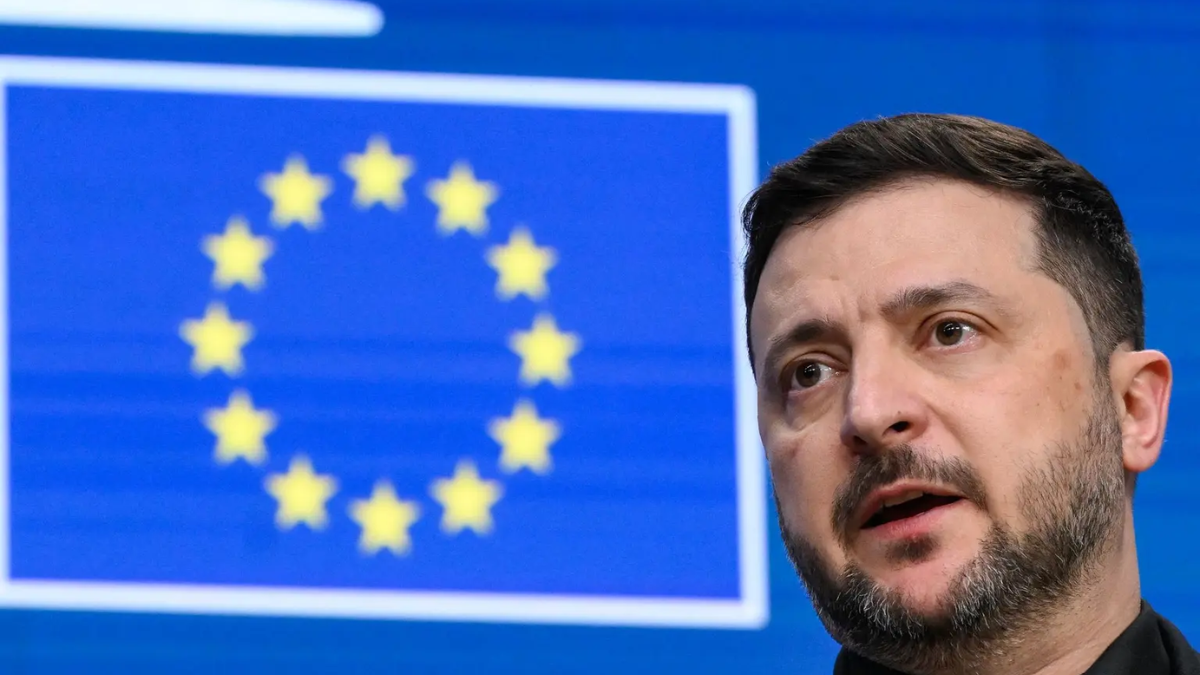
A Berlin court has ordered social media platform X, owned by Elon Musk, to hand over specific data to independent researchers for analysis ahead of Hungary’s upcoming parliamentary elections.
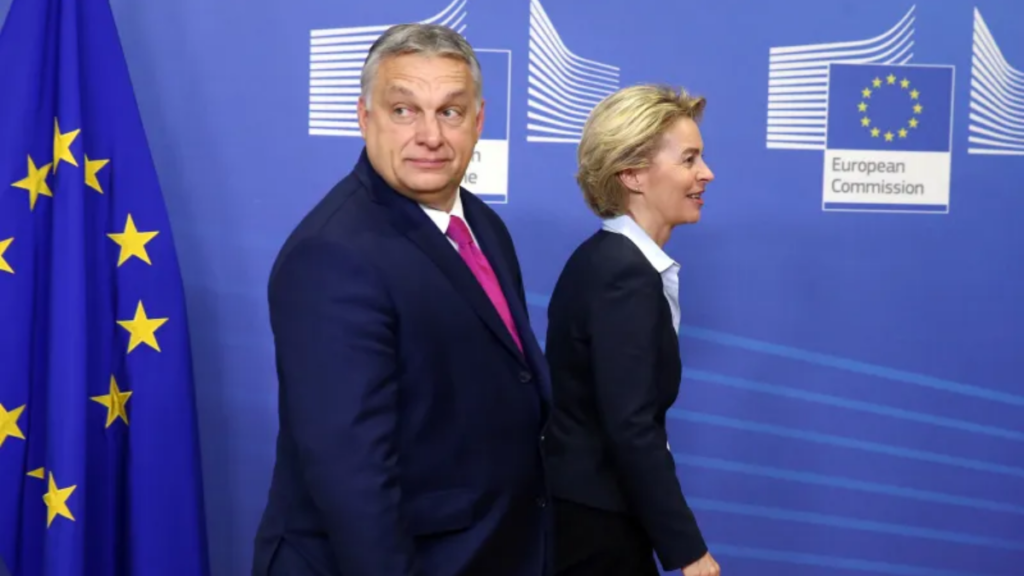
The ruling comes as political tensions intensify between Brussels and the government of Hungarian Prime Minister Viktor Orbán, with digital platforms increasingly at the centre of debates over election integrity and online influence.
According to the court decision, the requested data will be examined to assess potential risks related to disinformation, coordinated manipulation or foreign interference in Hungary’s April vote — an election widely viewed as pivotal both domestically and within the broader European Union.
Legal dispute under EU digital rules
The case was brought by Democracy Reporting International, a Berlin-based organisation that sought access to internal platform data after its previous requests were denied last November. The group argues that independent scrutiny is necessary to evaluate whether online systems adequately mitigate risks linked to misleading content or coordinated influence campaigns.
The legal basis for the request stems from the EU’s Digital Services Act (DSA), which requires large online platforms to grant vetted researchers access to certain datasets in order to assess systemic risks, including those related to electoral processes.
Last December, the European Commission imposed a €40 million fine on X for alleged non-compliance with transparency obligations under the same regulation, part of a broader investigation that could result in penalties of up to €120 million.
The latest court ruling may set a significant legal precedent in Germany. A similar request by the same organisation last year concerning German elections was rejected by the courts, making the current decision a notable development in how digital transparency rules are enforced.
High-stakes election
Hungary’s April election is shaping up as a closely contested race between Orbán, who has led the country for over a decade, and opposition challenger Péter Magyar.
The outcome carries weight beyond national politics. Budapest has repeatedly clashed with EU institutions over issues including support for Ukraine, sanctions against Russia and rule-of-law disputes. As a result, developments surrounding the election are being closely monitored across European capitals.
The broader international context has also heightened attention. US Secretary of State Marco Rubio recently met Orbán in Budapest, while former US President Donald Trump has publicly expressed support for the Hungarian leader.
Meanwhile, Musk has become an increasingly visible figure in European political debates, commenting on issues in Germany, the United Kingdom and elsewhere, further intensifying scrutiny of X’s role in political discourse.
As Hungary heads toward the ballot box, the intersection of EU regulation, platform governance and national sovereignty is likely to remain a central point of contention.