This figure adds to increases in existing taxes, bringing the EU’s new own revenues to €58 billion—a fiscal structure that breaks with the traditional model of primarily funding the Union through member state contributions. The reason is clear: European coffers are strained by pandemic debt and by the refusal of northern countries—Germany, the Netherlands, Sweden, and Denmark—to increase their contributions.
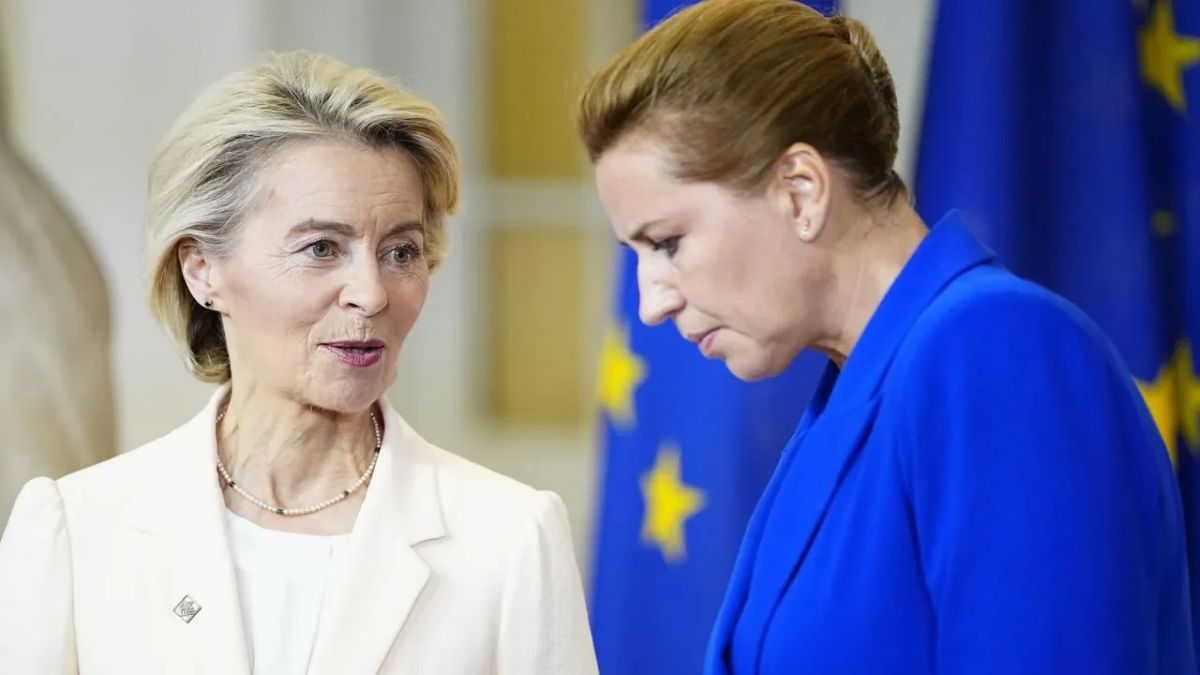
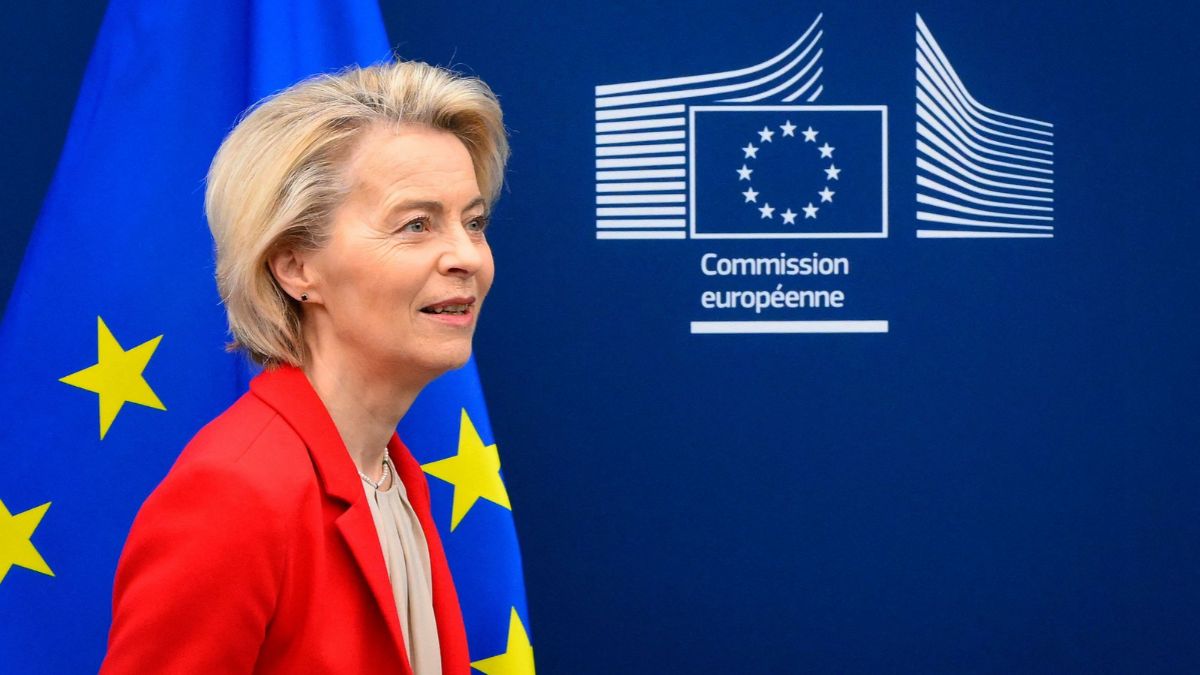
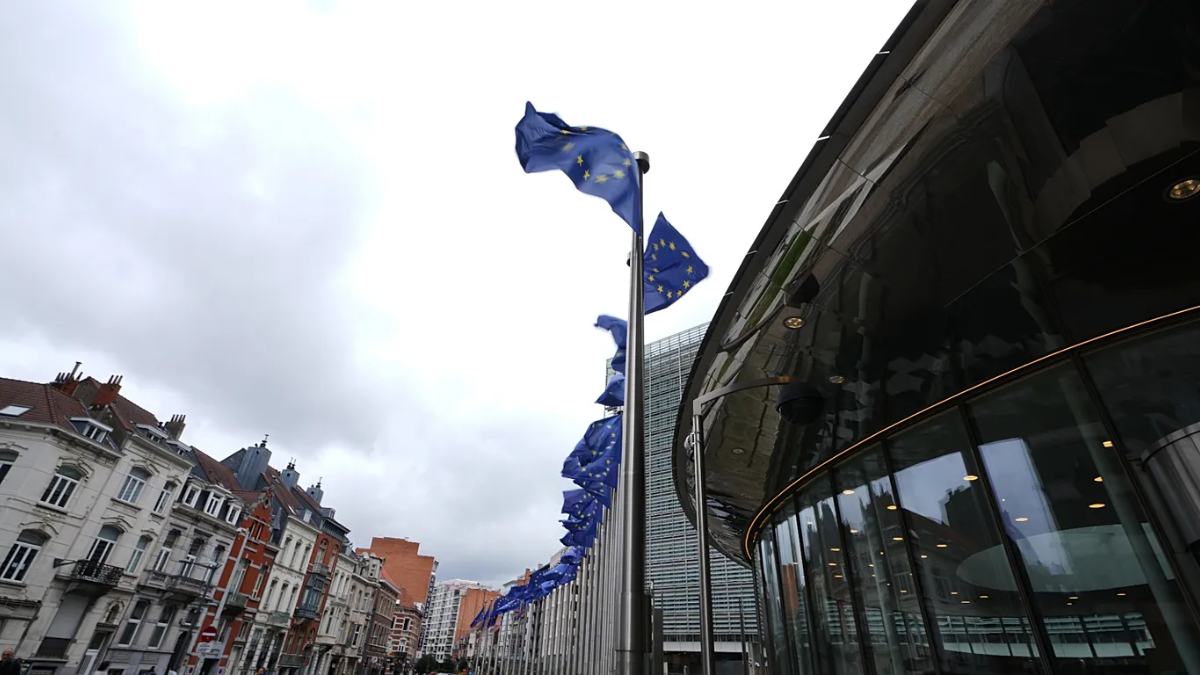
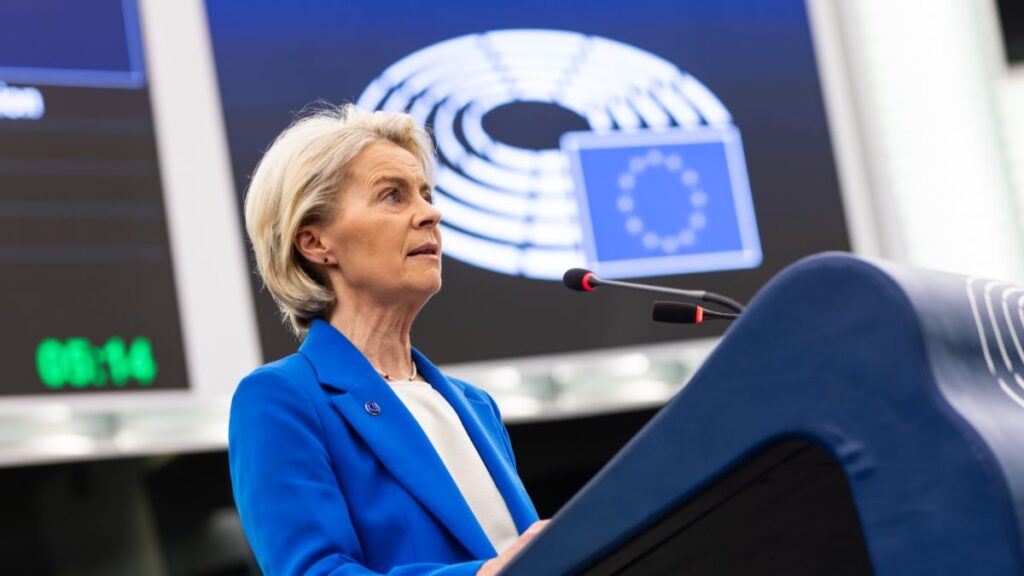
To support the next Multiannual Financial Framework (2028–2034), funded at just 1.26% of the EU’s gross national income, Commission President Ursula von der Leyen will have to finance at the same time the Common Agricultural Policy (CAP), cohesion funds, spending on defense and competitiveness, and the repayment of €169 billion in recovery plan debt.
Among the proposed new levies, the most lucrative will be a penalty on countries that are less efficient in recycling electronic waste, expected to raise €15 billion annually. This will be followed by a tobacco tax increase, which could raise the price of cigarette packs by up to 2 euros and generate 11 euros, and the expansion of the emissions trading system to road transport and buildings, adding another €9.6 billion per year.
A levy will also be imposed on large companies with revenues exceeding 100 million euros, adding 6.8 billion euros more for the EU, and the Carbon Border Adjustment Mechanism will put a price on CO₂ emissions from imports, bringing in 1.4 billion euros. Altogether, this represents a 44 billion euros-a-year fiscal offensive that threatens to strangle the competitiveness of Europe’s productive sector.
But the tax package is not Von der Leyen’s only battle. The Commission President had to revise down her proposed 20% cut to the CAP after a rebellion by pro-European coalition members in Parliament and pressure from the agricultural sector. Brussels had proposed merging agricultural, cohesion, migration, and security funds into a single nationalizable budget line—a change that farming organizations denounce as a “covert renationalization” of agricultural policy.
Faced with the backlash, Von der Leyen offered a 10% additional increase in agricultural funds, but the response from the sector has been one of outrage. The Asaja association described the move as “accounting sleight of hand” and announced it will proceed with the planned tractor protest in Brussels on November 18, coinciding with the EU summit of heads of state.