New corruption case corners Von der Leyen: her messages about the EU-Mercosur pact that is ruining farmers disappear
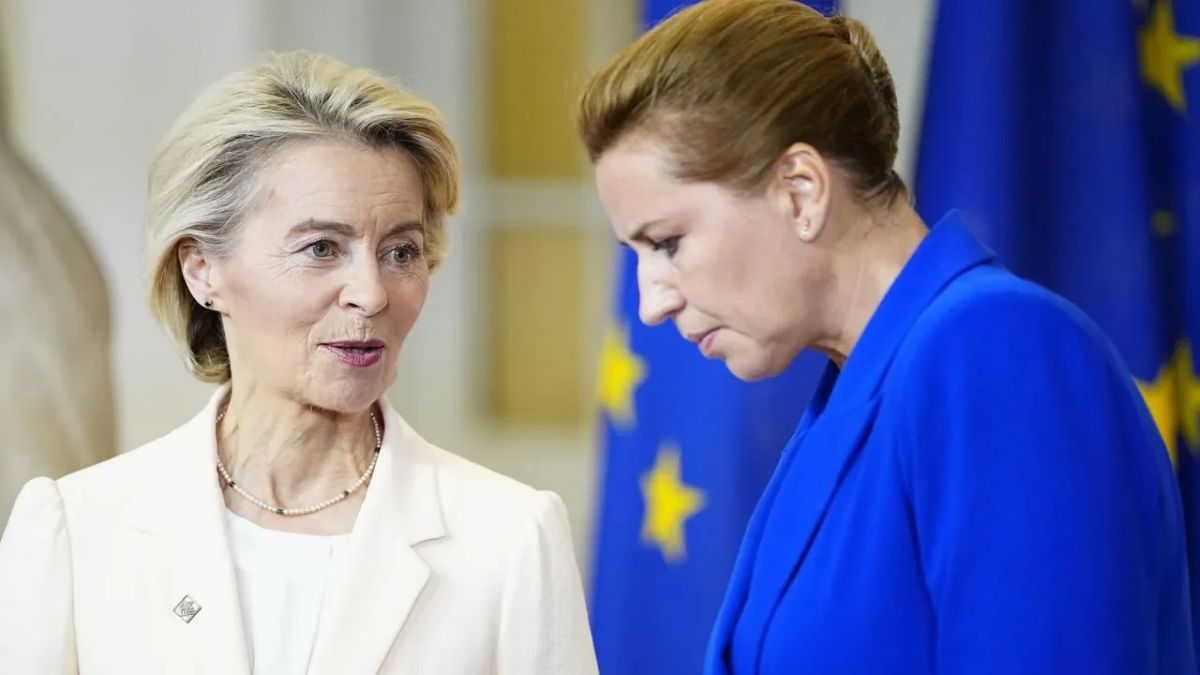
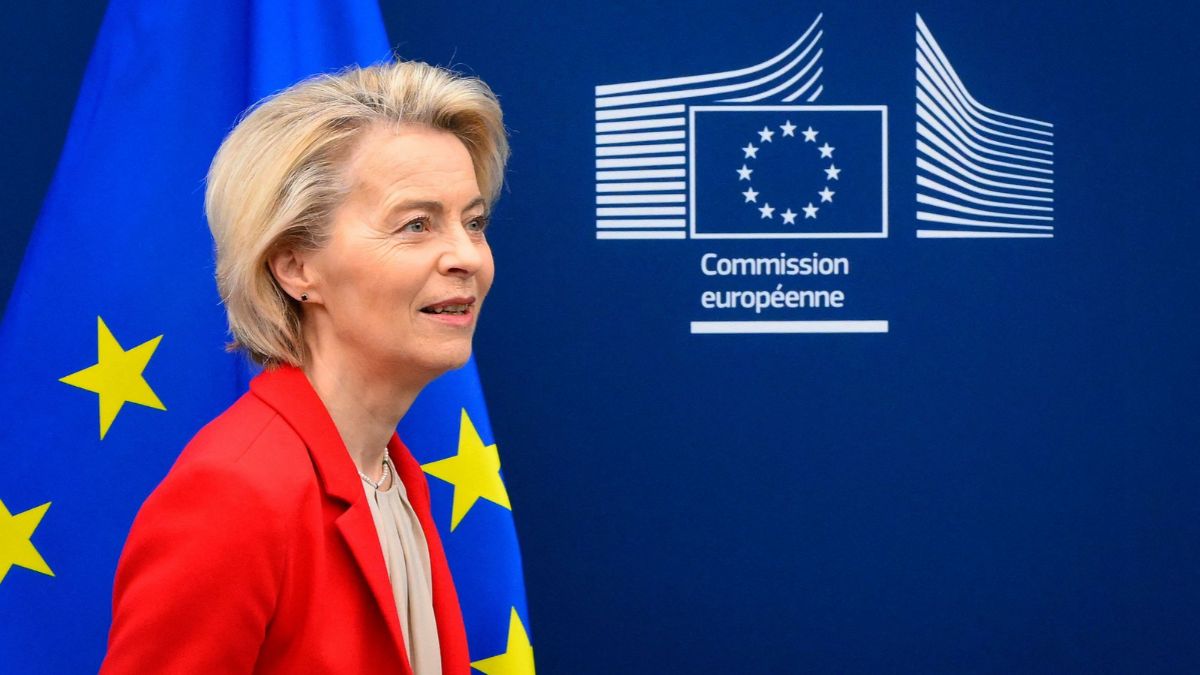
Ursula von der Leyen faces a new ethics investigation into the disappearance of her text messages with Emmanuel Macron, exchanged during negotiations on the controversial trade agreement between the European Union and the Mercosur bloc. The case has once again set off alarm bells in Brussels, where suspicions are mounting about the opaque way in which the Commission president handles key communications.
The controversy began when a journalist from Follow The Money demanded access to one of these messages in 2024. Fifteen months passed without a response, until the request was rejected on the grounds that the text had been sent via Signal with the self-destruct option activated, leaving no trace on Von der Leyen’s institutional mobile phone.
This is not the first time that the head of the EU executive has been called into question for this type of practice. In early 2025, the Court of Justice of the European Union ruled that the Commission had acted improperly by concealing Von der Leyen’s private exchanges with Albert Bourla, CEO of Pfizer, in the context of the purchase of nearly 1.8 billion COVID-19 vaccines. The CJEU considered that the explanations offered at the time — initial denial of the existence of the messages, subsequent claim that they had been deleted — lacked rigour and were based on ‘assumptions or contradictory information’.
The new scandal coincides with the most delicate moment for the agreement with Mercosur, concluded after a quarter of a century of negotiations and which, if ratified, would open up a common market of more than 700 million people. European farmers, especially French farmers, claim that this opening could ruin their farms by flooding supermarkets with cheaper, lower-quality meat and agricultural products from South America. Added to this are warnings from environmental groups, who warn of environmental devastation in Brazil’s rainforests and indigenous territories.
In September, despite criticism, the European Commission presented the final text along with a package of supposed safeguards to protect the European countryside. However, the outbreak of the investigation into the messages with Macron threatens to completely overshadow this attempt at political protection. The EU ethics watchdog has already requested internal documentation and has summoned Commission officials to a meeting before mid-October.
The case comes amid growing unrest in the European Parliament. Just a few months ago, 75 conservative MEPs launched a motion of censure against Von der Leyen for her refusal to hand over the messages with Pfizer, accusing her of concentrating power and undermining institutional transparency. Although the motion was defeated, it marked a milestone: it was the first in more than ten years against a Commission president.
Romanian MEP Gheorghe Piperea, the main promoter, then denounced that the president is building ‘an undemocratic concentration of power’ incompatible with the balance between institutions. For many critics, the Mercosur episode confirms that Von der Leyen’s secrecy is not an isolated mistake, but a recurring pattern that undermines confidence in Brussels and fuels perceptions of corruption at the heart of the EU.