Ukraine–Russia Peace Talks Resume in Abu Dhabi
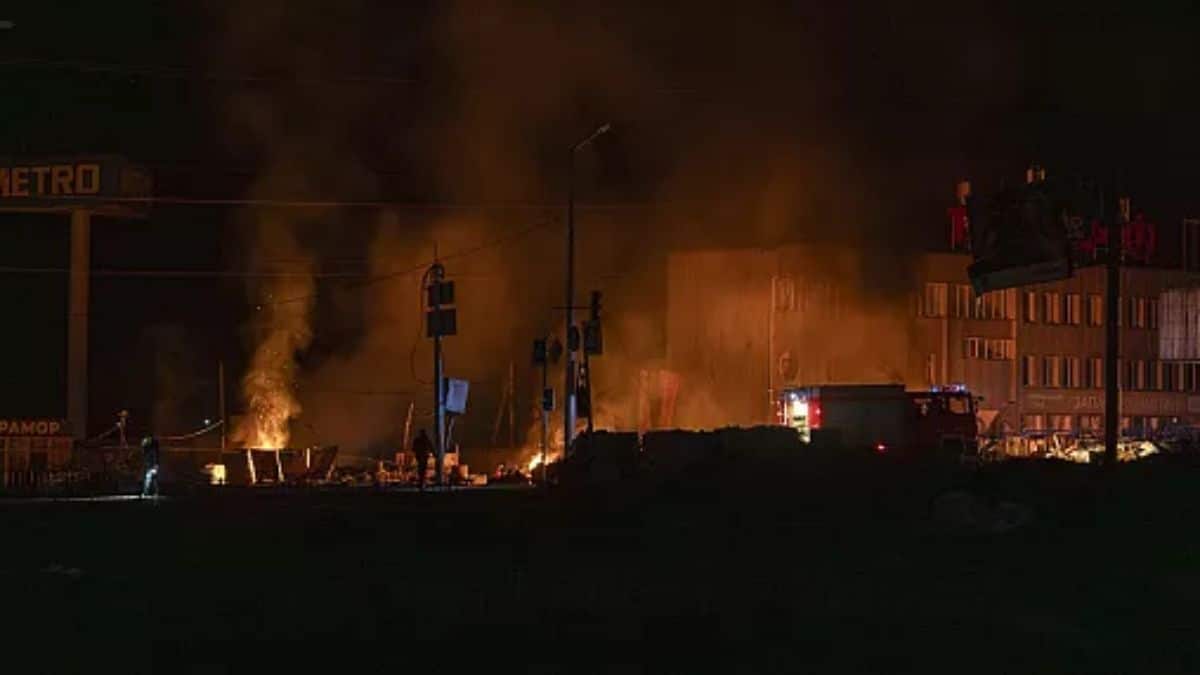
Ukrainian, Russian and US delegations are due to open a second round of trilateral discussions later today in Abu Dhabi, just 24 hours after Russia carried out its most intense missile assault on Ukraine this winter.
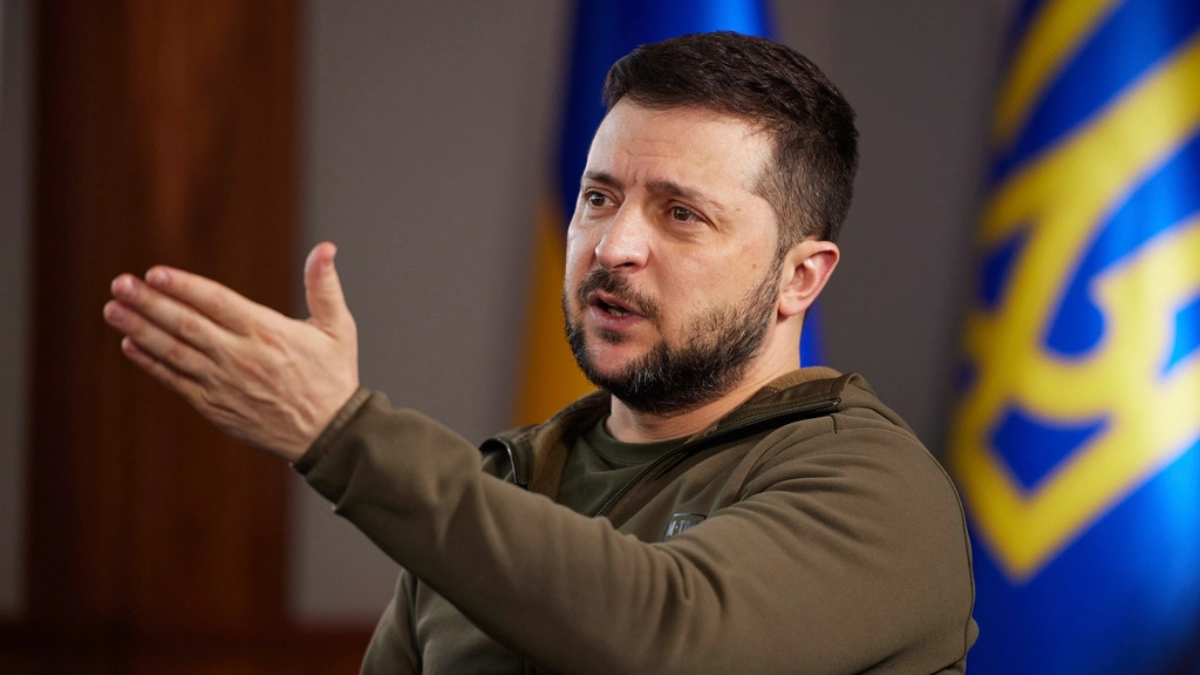
Speaking on Tuesday, Ukrainian President Volodymyr Zelenskyy confirmed that Kyiv has revised the mandate of its negotiating team following the latest wave of attacks, which struck several major cities. The bombardment, he said, demonstrated that Moscow’s strategic outlook remains unchanged and that diplomacy is still being treated as a secondary option by the Kremlin.
Although all parties described the first round of talks as constructive, expectations of a breakthrough remain limited. The future status of Ukrainian territory continues to be the most contentious issue, with no compromise yet in sight.
EU financial support and sanctions discussions intensify
At the same time, negotiations are continuing in Brussels over the European Union’s proposed €90 billion financial package for Ukraine. The European Commission hopes to release the first payments as early as April, but disagreements persist over provisions designed to prioritise European and Ukrainian defence industries under a “Made in Europe” clause.
EU capitals are also awaiting a fresh sanctions proposal targeting Russia, aimed at increasing economic pressure and preventing circumvention. Nordic countries, including Finland and Sweden, have pushed for tougher restrictions on maritime services linked to Russian oil exports.
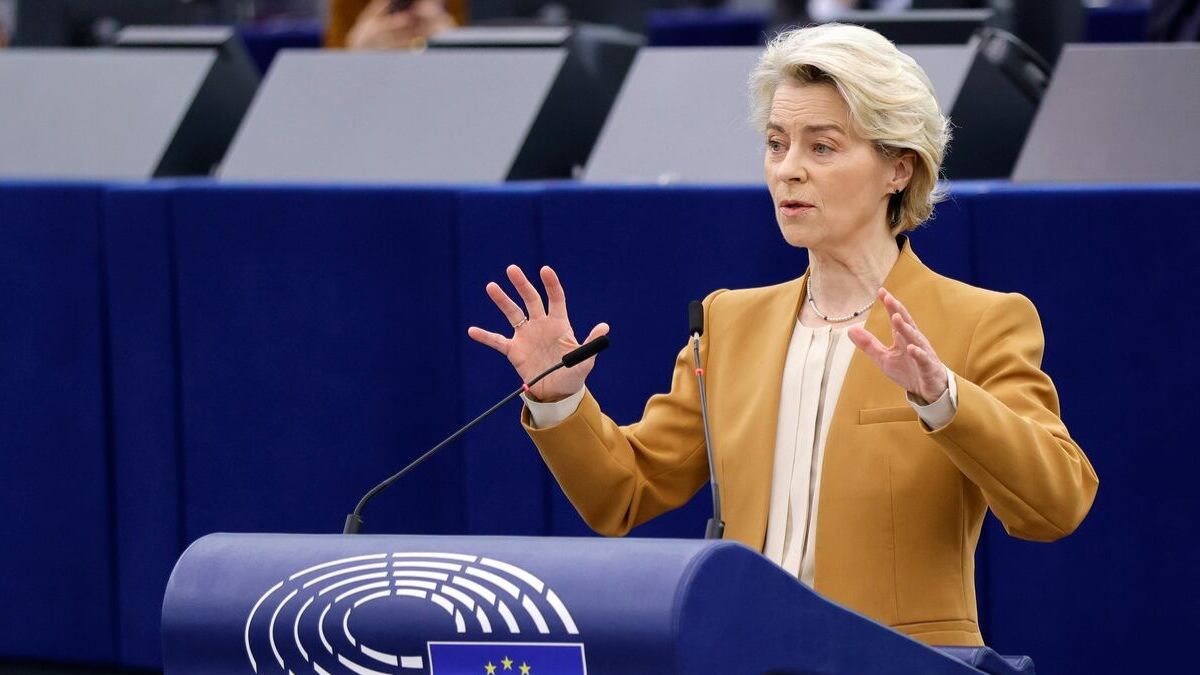
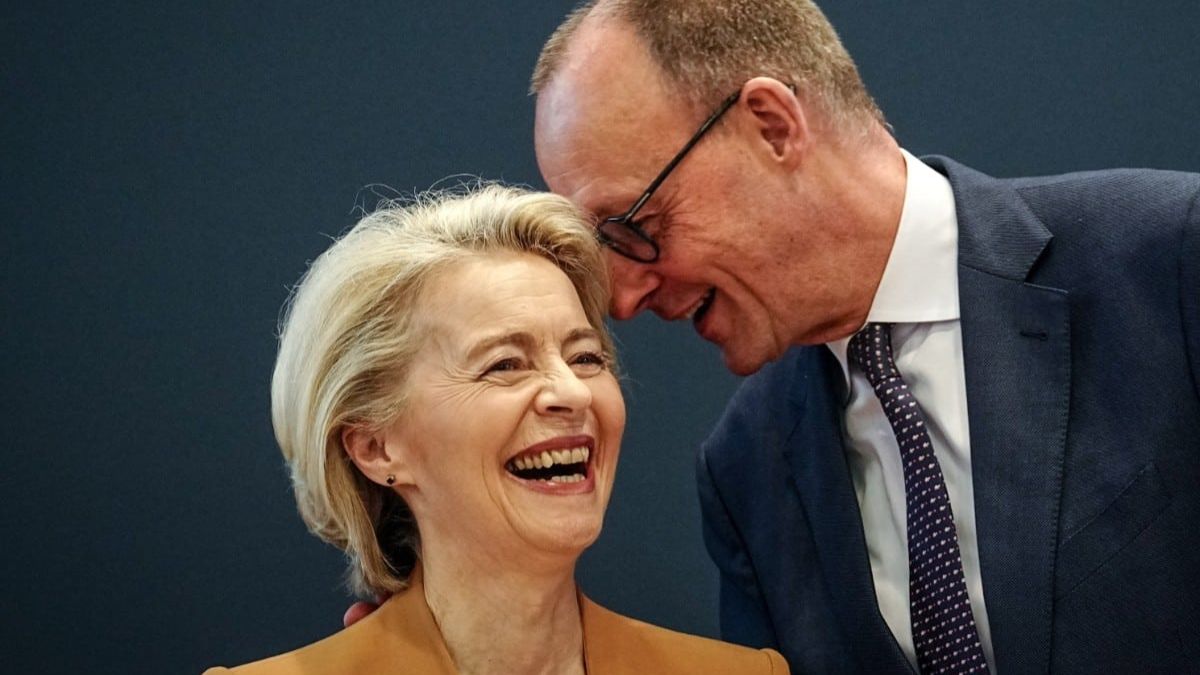
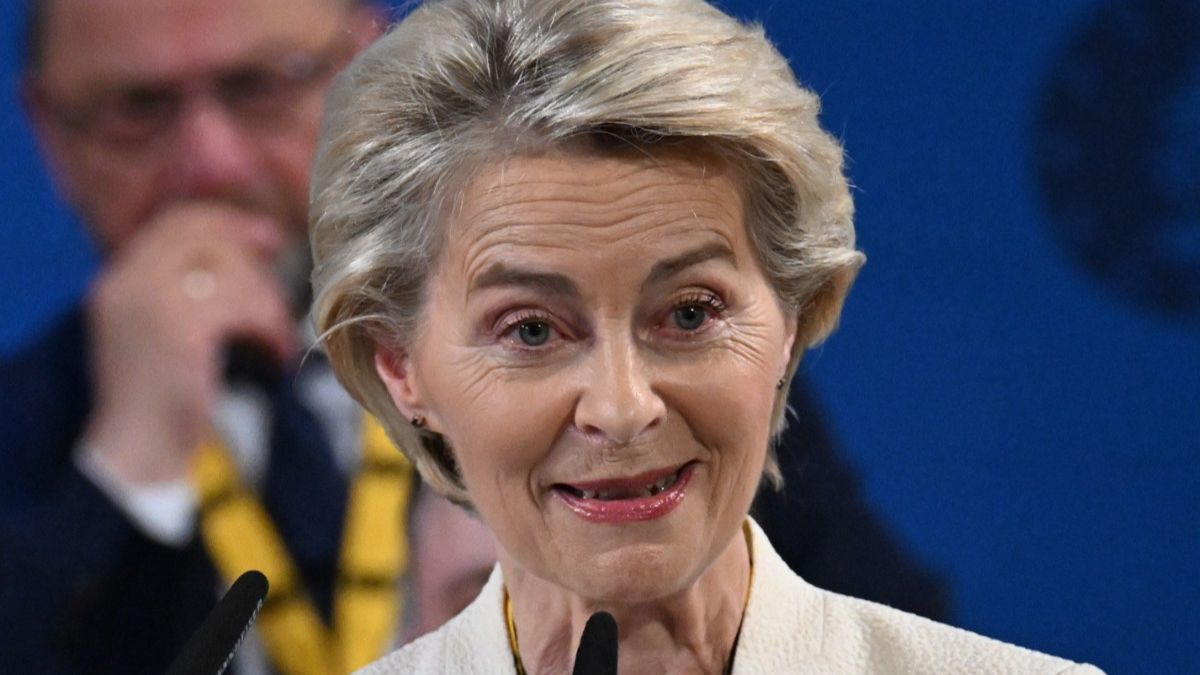
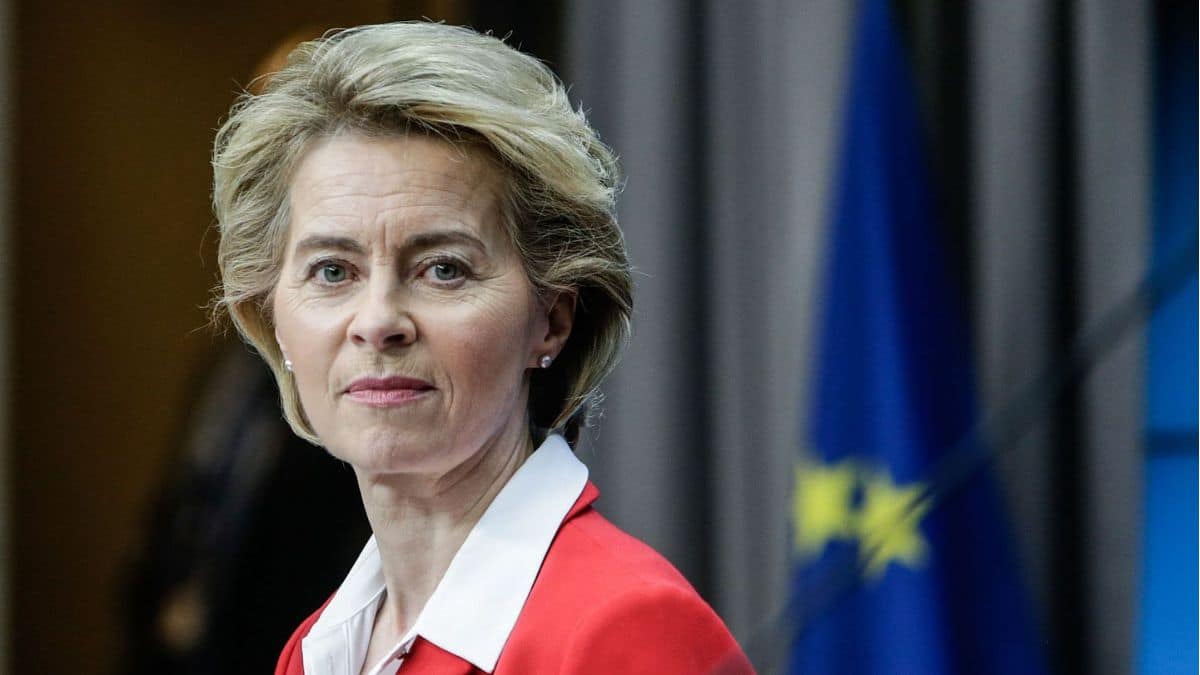
The sanctions are expected to be approved in late February, marking the fourth anniversary of Russia’s full-scale invasion. Both Ursula von der Leyen and António Costa are scheduled to visit Ukraine on that date in a coordinated show of support.
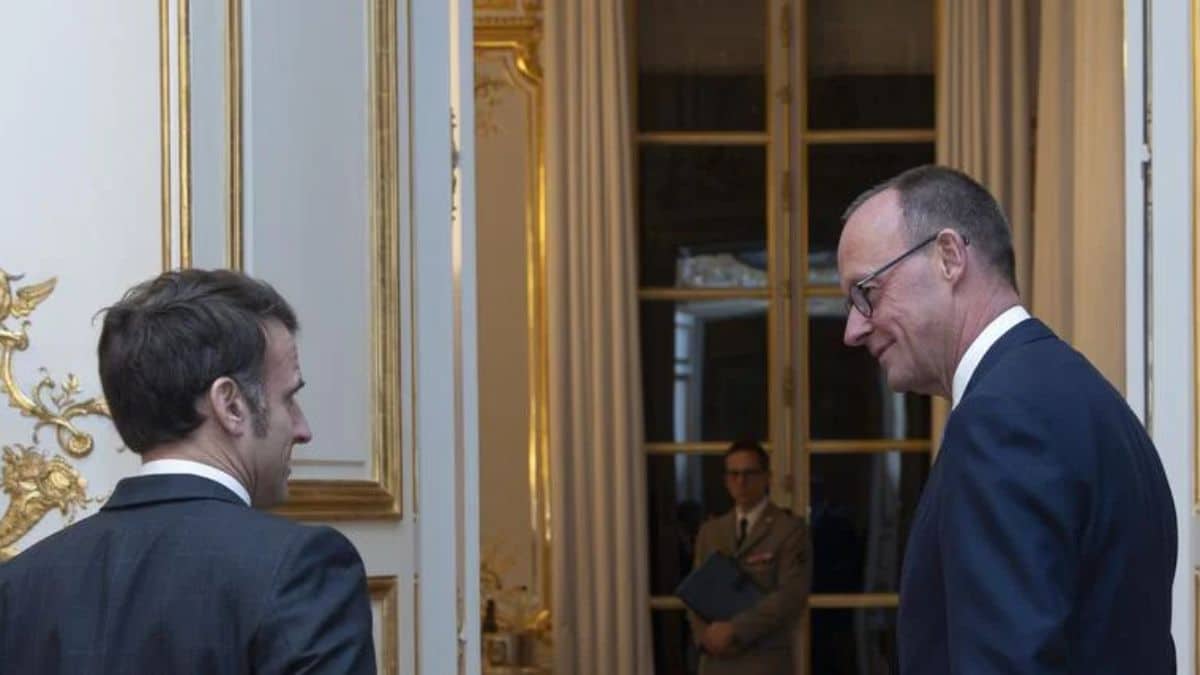
Meanwhile, French President Emmanuel Macron signalled that preparatory work is underway to explore the possibility of direct talks between Europe and Russia. While no formal framework has been announced, the remarks suggest growing momentum behind a European diplomatic role.
The idea has exposed divisions among EU member states. Germany has urged caution, while Austria has argued that Europe must not be sidelined in discussions affecting its own security.
Austria’s Foreign Minister Beate Meinl-Reisinger warned that Europe risks marginalisation if it fails to speak with one voice, calling for a single EU negotiator with a strong mandate.
Others remain sceptical. Moldova’s Deputy Prime Minister and Foreign Minister Mihai Popșoi said any dialogue with Russia should be conditional on a ceasefire, arguing that meaningful negotiations are difficult while civilian areas remain under attack.
As diplomatic efforts resume, the peace talks in Abu Dhabi highlight both the urgency of ending the conflict and the political barriers that continue to complicate any path toward a negotiated settlement.