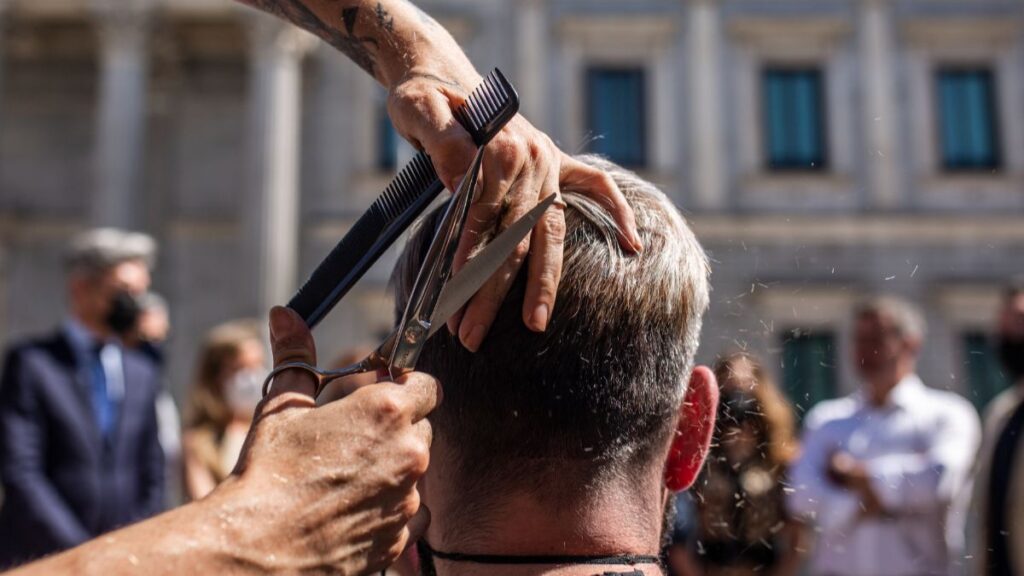
Hundreds of “Turkish” barbershops in the United Kingdom—many of them without customers and showing inexplicable financial activity—are being used as fronts for foreign mafias involved in money laundering, human trafficking, labor exploitation, and drug trafficking. The proliferation of these establishments—often controlled by Albanians, Kurds, and Iranians—is disrupting life in major British cities and even spreading to smaller towns.
The operation, led by the National Crime Agency (NCA), has uncovered a phenomenon that authorities are now calling a genuine organized infiltration of the local economy. In recent months, teams composed of police officers, immigration agents, and inspection units have raided thousands of establishments across the country to check for suspicious activities. In cities such as Haverhill, Suffolk, spotless barbershops have been found… but empty, with not a single customer during peak hours. This is a pattern repeated across the United Kingdom.
The Security Minister, Dan Jarvis, summed it up bluntly: “British streets are being infiltrated by organized crime.” He explained that many of these businesses “offer minimal services” while being used to move cash, hire illegal immigrants, or conceal high-level criminal activities. The ease of opening a shop, cash-only transactions, and lack of regulatory oversight have turned barbershops into a paradise for mafias.
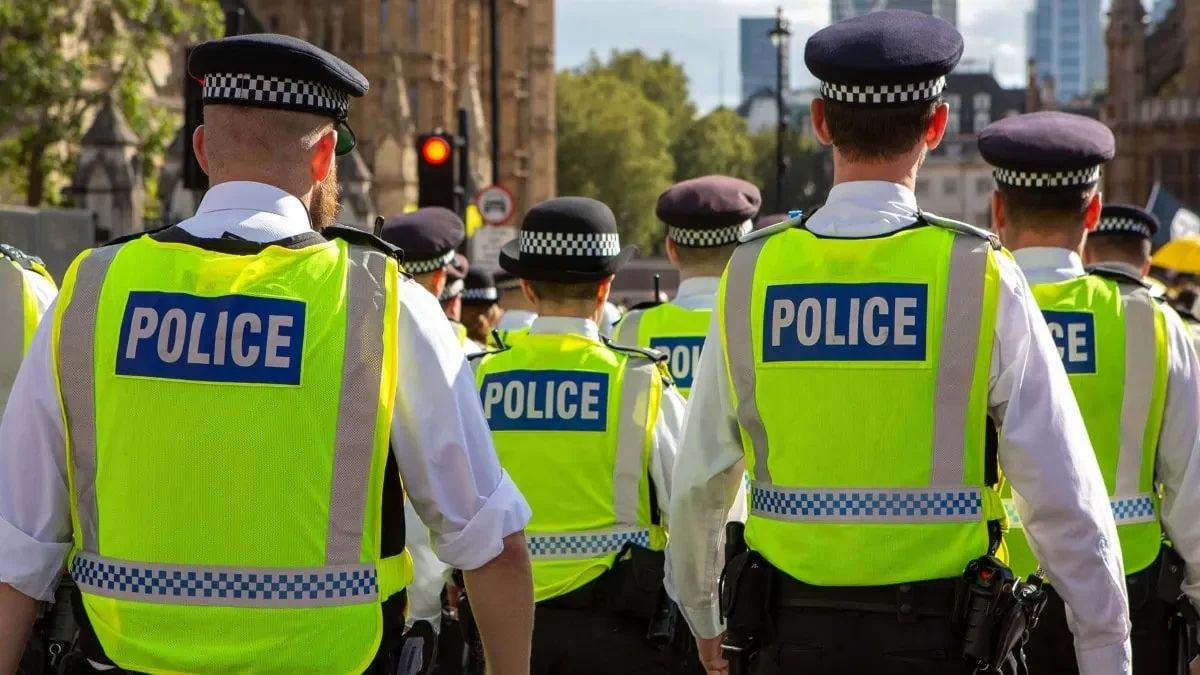
In the first phase of the operation, the police froze more than one million pounds in bank accounts, arrested 35 suspects, and identified nearly a hundred potential victims of exploitation. The second phase went further: over 2,700 establishments inspected, 900 arrests, and £10.7 million seized in cash and assets of criminal origin.
The detected cases reveal a disturbing pattern. In one Haverhill establishment, the police found an improvised bed, leftover food, scattered clothing, and a hidden room where workers lived in exploitative conditions. Authorities suspect human trafficking and the regular transport of illegal immigrants from airports such as Stansted. In other parts of the country, barbershops have been used to hide cannabis crops, drug-selling points, or logistical hubs for human trafficking mafias operating small boats to the UK.
The alarm was raised definitively when it was uncovered that a seemingly ordinary London barber was actually the head of an international network that smuggled more than 10,000 illegal immigrants in small boats. His 2024 conviction—11 years in prison—marked a turning point for the NCA.
Experts consulted by The Telegraph confirm that the method is simple but effective: mixing real income with drug money delivered by gang “couriers.” Some shops are refurbished several times a year to justify expenses and launder even more money. As investigator Kathryn Westmore puts it, it’s “money laundering 101.”
The few authentic barbers report the impact: customers who distrust everyone, neighborhoods saturated with businesses with no real activity, and impossible competition against shops funded by criminal economies. “It’s obvious that something doesn’t add up,” laments one barber in Finchley.
Security forces acknowledge that closing some establishments is not enough: the goal is to dismantle the entire mafia structures using these businesses as a front. But increasingly sophisticated criminals could move to other commercial facades if their model is threatened.
The phenomenon is even spreading to isolated towns, showing—according to the NCA—that mafias have extended their control far beyond London or Birmingham. The criminal colonization of British streets is now a national challenge for the United Kingdom, which seeks to cut off the growth of these “ghost” barbershops turned nodes of international crime.