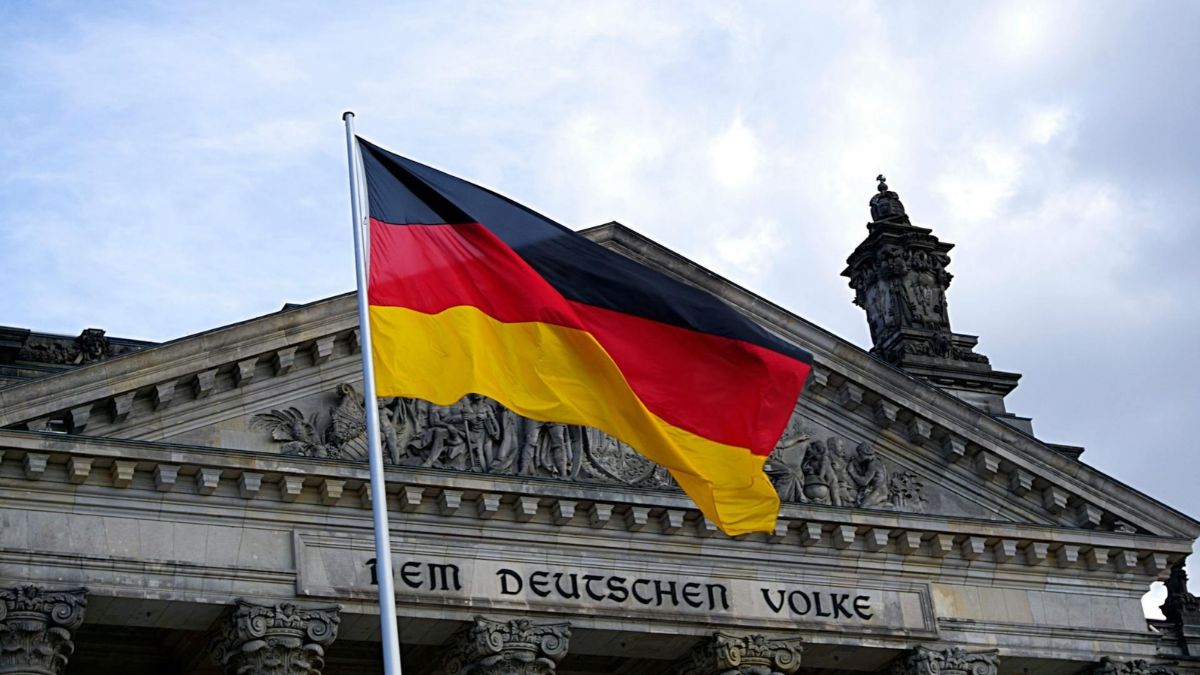
Six months after taking office, the coalition government between the Christian Democratic Union (CDU), the Christian Social Union (CSU), and the Social Democratic Party (SPD) is facing its most severe crisis since its formation. What was meant to be a project of stability and consensus has turned into a divided administration, plagued by constant friction and accelerated wear that threatens to define the rest of the legislative term.
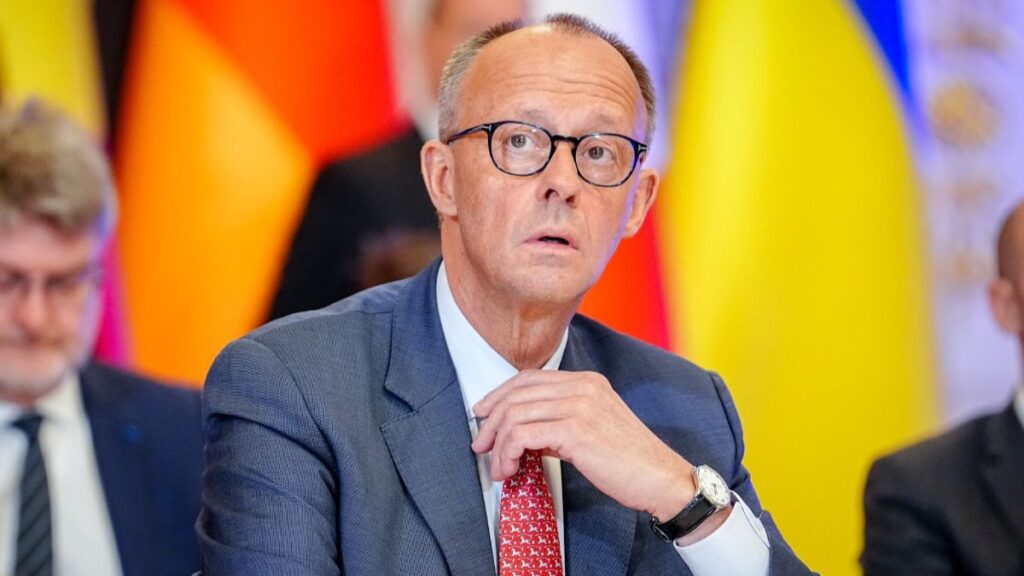
Chancellor Friedrich Merz is confronting an increasingly disillusioned public and plummeting poll numbers. The coalition, born from arduous negotiations, aimed to combine economic firmness with social consensus. Instead, it has produced a cumbersome structure incapable of providing clear direction. Not even the chancellor’s early international successes have improved his standing at home.
In foreign policy, Merz attempted to project strong leadership. But while the chancellor sought prominence abroad, missteps accumulated at home: the failure to cut electricity taxes, the deadlock over Constitutional Court appointments, divisions over the reform of Bürgergeld (unemployment benefits), and the chaos surrounding the new pension law. Each step, far from strengthening the government, has exposed its fragility.
Despite the government’s efforts, the polls tell a different story. According to Forsa, the coalition would barely reach 40% of the vote if elections were held today, and only one in four citizens approve of the chancellor’s performance.
Analysts say the grand coalition has become its own obstacle. Every initiative ends up diluted in endless negotiations, and the CDU fears that its alliance with the Social Democrats undermines its fiscal credibility. Meanwhile, the SPD base accuses its leadership of capitulating on social and migration policies. The result is a growing disconnect with the public, which perceives a government without direction while the opposition exploits every mistake.
The nationalist Alternative for Germany (AfD) has been the main beneficiary of this political collapse. Its message of order, sovereignty, and authority resonates with a population that feels Berlin has lost control. In several eastern states, the AfD already leads in the polls, and nationally it is tied with the CDU in voter intention. Its diagnosis is clear: Merz’s coalition is a “leftist alliance disguised as the center,” and the only real opposition is outside the government.
Even within the conservative union, unease is growing. Some regional leaders are calling for a reassessment of the relationship with the AfD and questioning the “cordon sanitaire” imposed by Berlin. Merz insists his party will remain “the democratic barrier against extremism,” but his own hesitations on migration have brought the debate closer to positions he once dismissed.
With five regional elections ahead and a stagnating economy, the coalition faces a decisive semester. The legislative agenda includes infrastructure investments and a tax reform that few believe is feasible in such a divided government. In practice, the Merz government has gone from promising a new momentum to merely trying to survive. If the current trend continues, the next six months may be more of a countdown than a governing project.