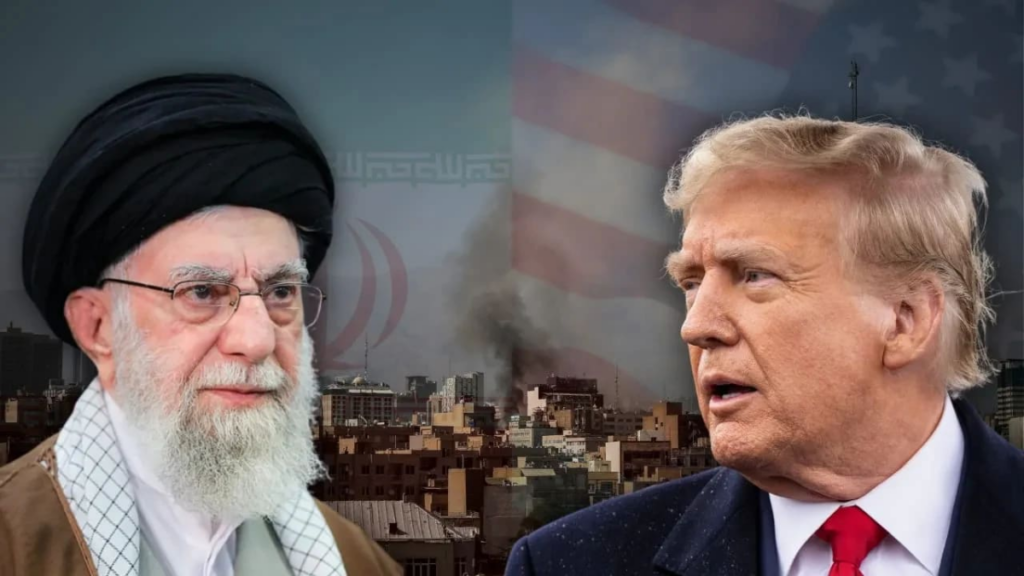
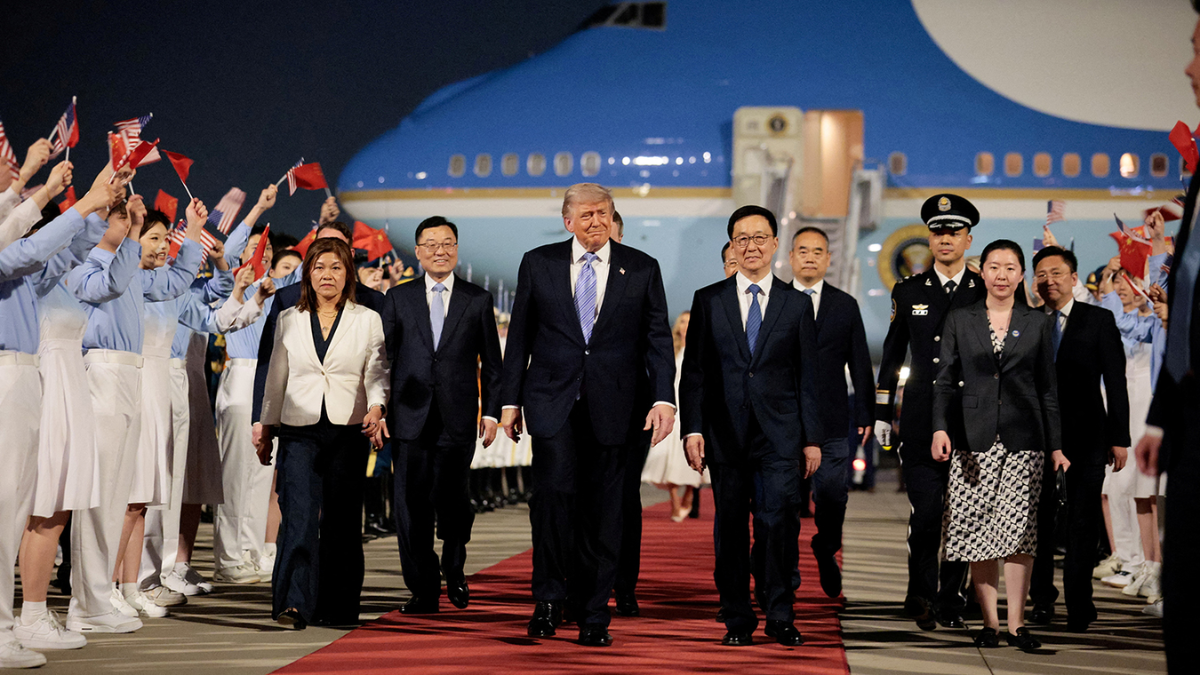
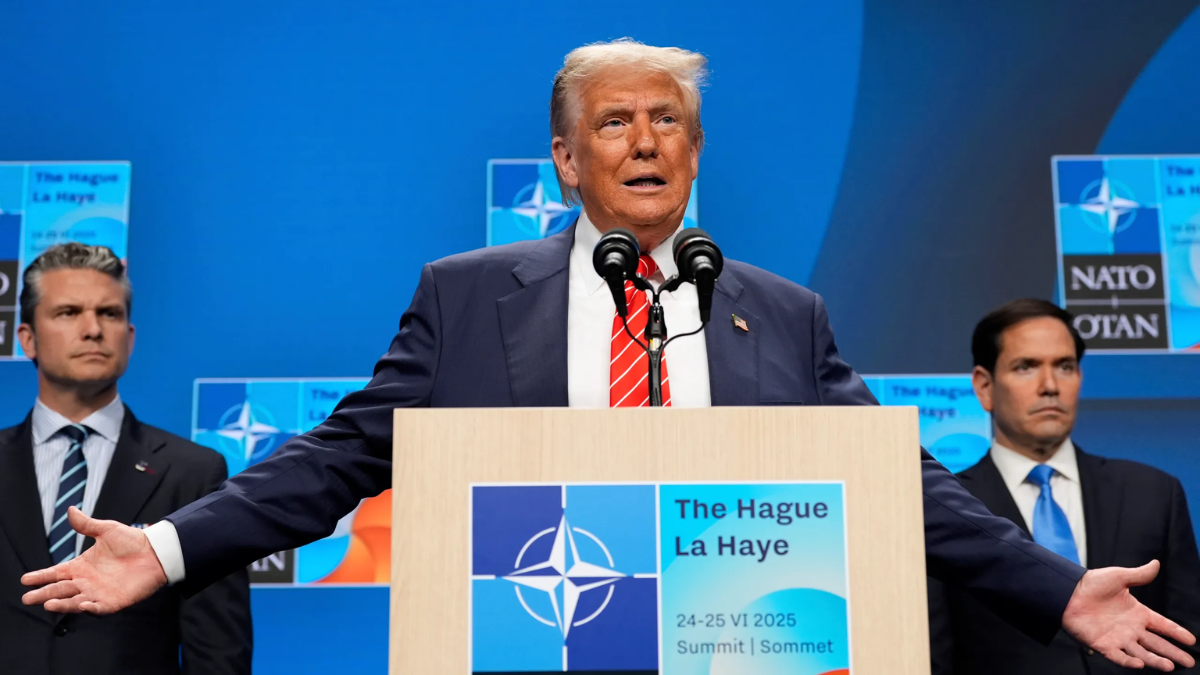
A temporary ceasefire between the United States and Iran was agreed just hours before a deadline set by Donald Trump, averting what many feared could escalate into a wider regional conflict.
The two-week truce, announced by both Washington and Tehran, includes the reopening of the Strait of Hormuz, a vital route for global oil shipments. Under the terms outlined so far, Iran and Oman will be permitted to charge transit fees, while ensuring the safe passage of vessels through the strait.
Markets reacted swiftly to the news, with oil prices falling sharply and stock markets in Asia posting early gains. However, uncertainty remains over when the ceasefire will fully take effect, as reports of continued strikes across Iran, Israel and the Gulf region surfaced shortly after the announcement.
Conflicting Signals and Next Steps
The agreement has already exposed divisions and inconsistencies among the parties involved. Israel confirmed it would suspend strikes against Iran during the two-week period but clarified that operations against Hezbollah in Lebanon would continue. This stance contradicted earlier statements by Shehbaz Sharif, who had suggested the ceasefire would extend across all fronts.
Pakistan is set to host further negotiations aimed at securing a longer-term settlement, with talks expected to begin in the coming days. While US officials framed the deal as a result of having achieved key military objectives, Iranian authorities described it as a “major victory” and signalled readiness to negotiate a broader agreement.
Differences have also emerged over the details of Iran’s proposed framework for negotiations, particularly regarding its nuclear programme, with inconsistencies between Persian and English versions of the plan raising further questions.
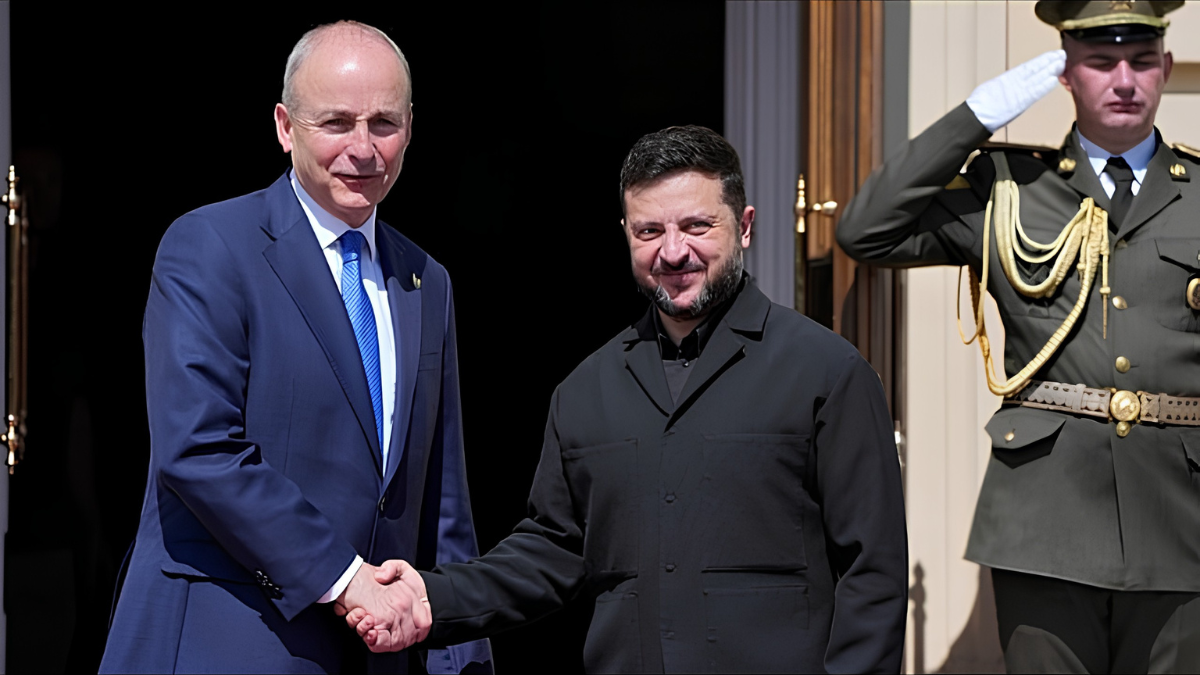
International reactions have been cautiously optimistic. António Guterres urged all parties to respect international law, while Friedrich Merz welcomed mediation efforts and called for sustained dialogue.
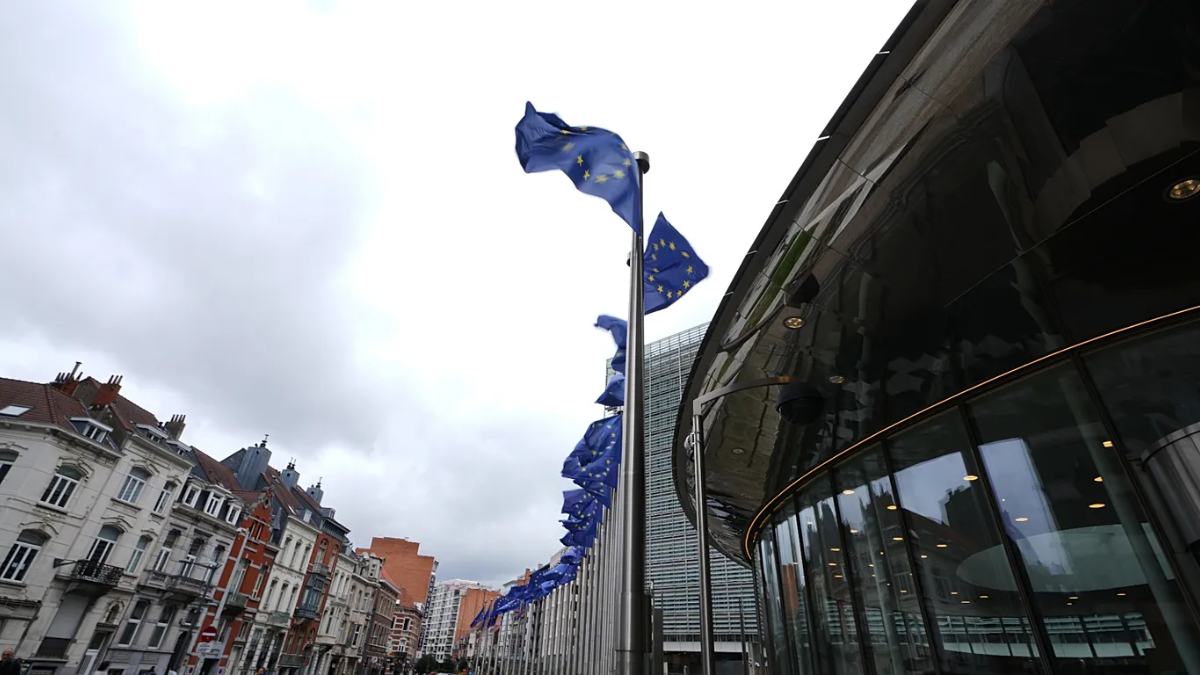
Beyond the ceasefire, geopolitical tensions remain high. US Vice-President JD Vance used a visit to Budapest to criticise the European Union and support Viktor Orbán ahead of upcoming elections. At the same time, Russia issued warnings to Baltic states over alleged support for Ukrainian attacks, claims that have been firmly denied.
For now, the agreement offers a narrow window for diplomacy. Whether it leads to a durable peace or simply delays further escalation remains uncertain.