EU Releases €1.4 Billion to Ukraine from Frozen Russian Asset Profits Following Kyiv Attacks
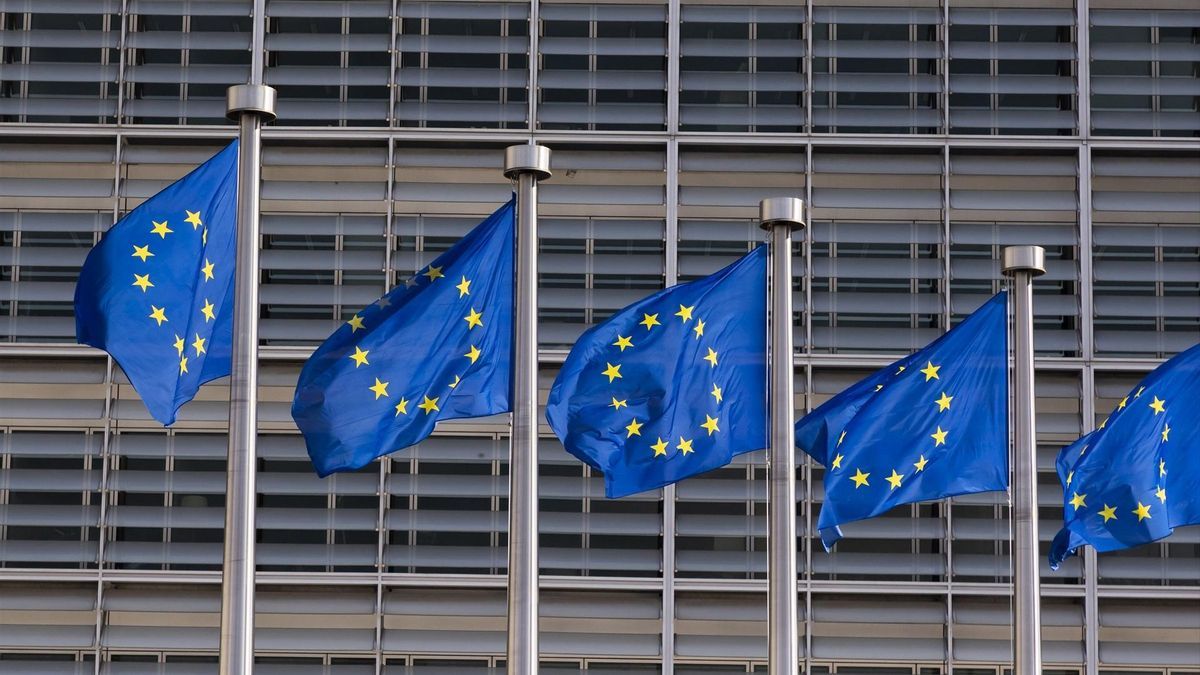
The European Union has officially released €1.4 billion ($1.52 billion) in direct military and defense funding for Ukraine, marking the first practical execution of leveraging revenues generated by frozen Russian sovereign assets held within Euroclear depositories.
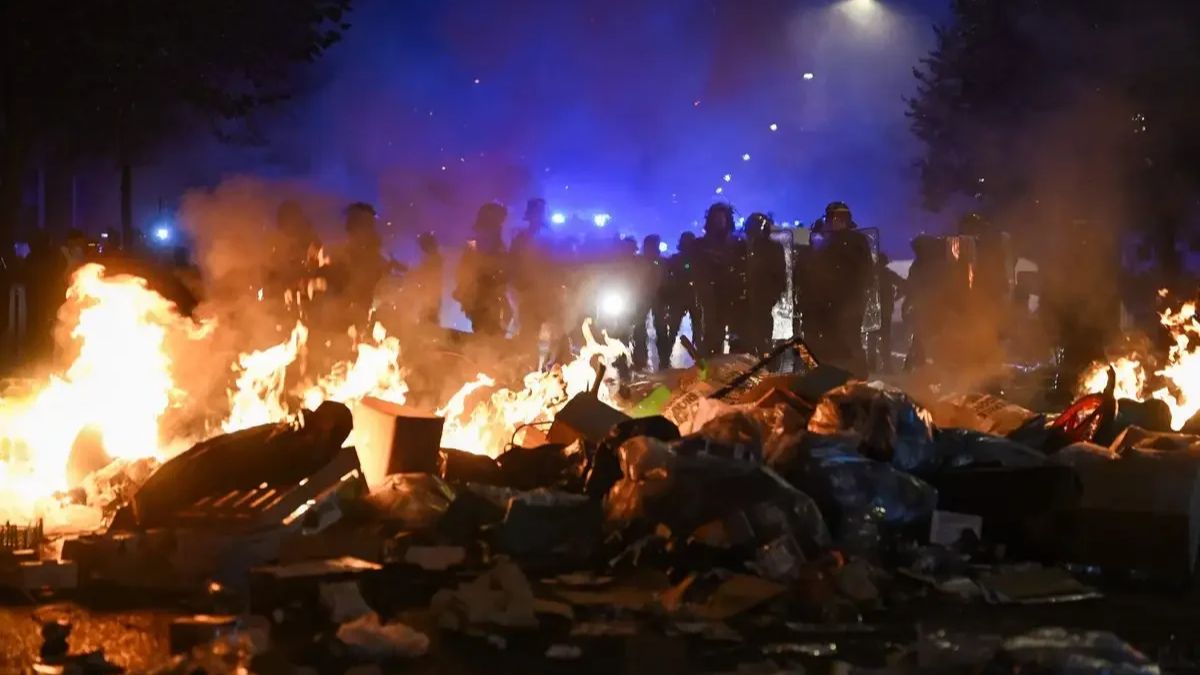
The transfer follows a dramatic night of renewed Russian missile and drone bombardments against Kyiv and vital energy networks, which triggered emergency consultations among EU leaders in Brussels and reinforced calls for immediate hardware replenishment for Ukraine’s armed forces.
The legal framework, finalized under the European Peace Facility (EPF) operational guidelines, allows 90% of the extraordinary interest profits to be directed into the military procurement stream, with the remaining 10% designated for reconstruction and rehabilitation programs.
Key Breakdown of the €1.4 Billion Allocation
-
Air Defense Capabilities: Immediate procurement of interceptor missiles, radar integration, and protection systems for urban centers.
-
Artillery & Heavy Ammunition: Bulk acquisition of 155mm shells through joint European procurement initiatives.
-
Direct Purchases from Ukrainian Industry: For the first time, a substantial portion of EU funds will be paid directly to Ukrainian military manufacturers to produce artillery units and defense equipment locally.
-
Infrastructure Resilience: Rapid repair kits for energy grid nodes compromised during recent aerial strikes.
Bypassing Political Deadlocks in Brussels
The disbursement represents a significant procedural breakthrough for Brussels. By classifying the profits accrued on frozen assets as extraordinary revenues—rather than state assets themselves—EU legal counselors successfully established a mechanism that bypassed veto threats from member states, including Hungary.
EU High Representative for Foreign Affairs emphasized during a press briefing in Brussels:
“Russian assets remain frozen until Moscow ceases its aggression and compensates for damages caused. In the interim, the revenues generated by these immobilized funds belong legally to the community effort supporting Ukraine’s self-defense.”
Ukrainian officials welcomed the transfer, stressing that funding local production lines inside Ukraine will shorten delivery times from months to weeks.
Broader G7 Framework and Future Tranches
This €1.4 billion transfer serves as a precursor to the larger $50 billion loan package agreed upon by G7 partners, which will be serviced and repaid using future windfall proceeds from the approximately €210 billion in Russian Central Bank funds blocked across European jurisdictions.
Further allocations from the 2026 accrued interest pool are scheduled for evaluation in late Q3, pending military inventory audits and frontline assessment reports.