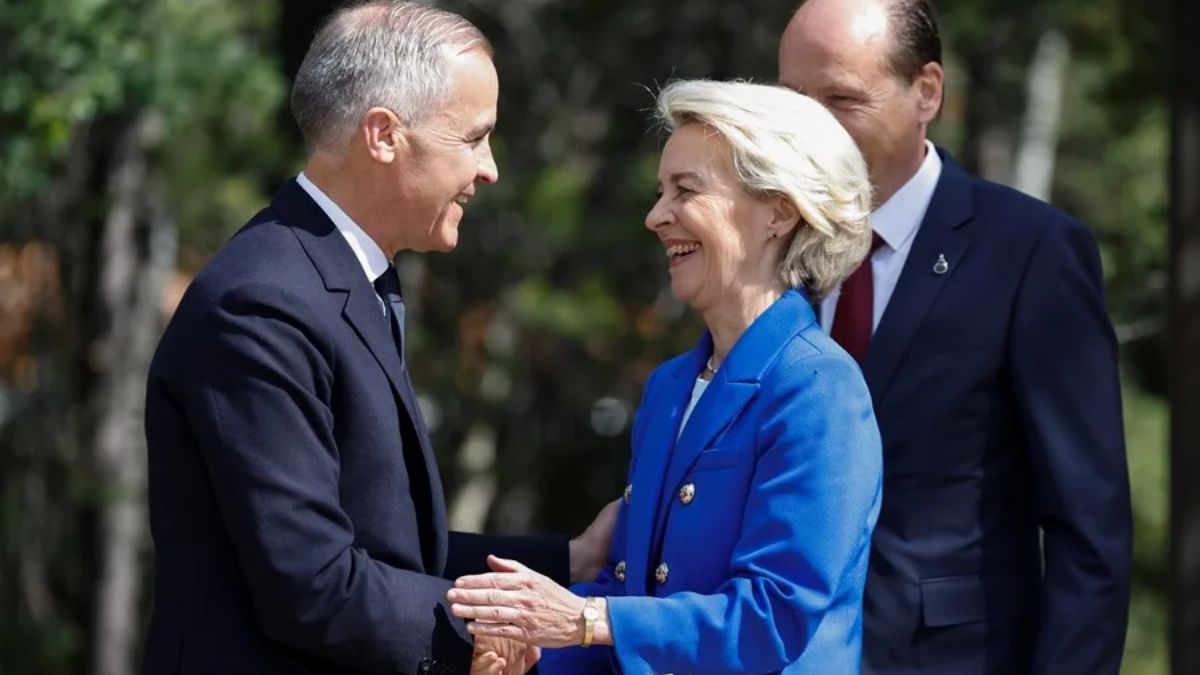
EU opens door for Canada to become its first associate member
The European Union has proposed a new framework to deepen its relationship with Canada. European Commission President Ursula von der Leyen said on Wednesday that the bloc could open the door for Canada to become the EU’s first “associate member”, a status that does not currently exist under the Union’s treaties.
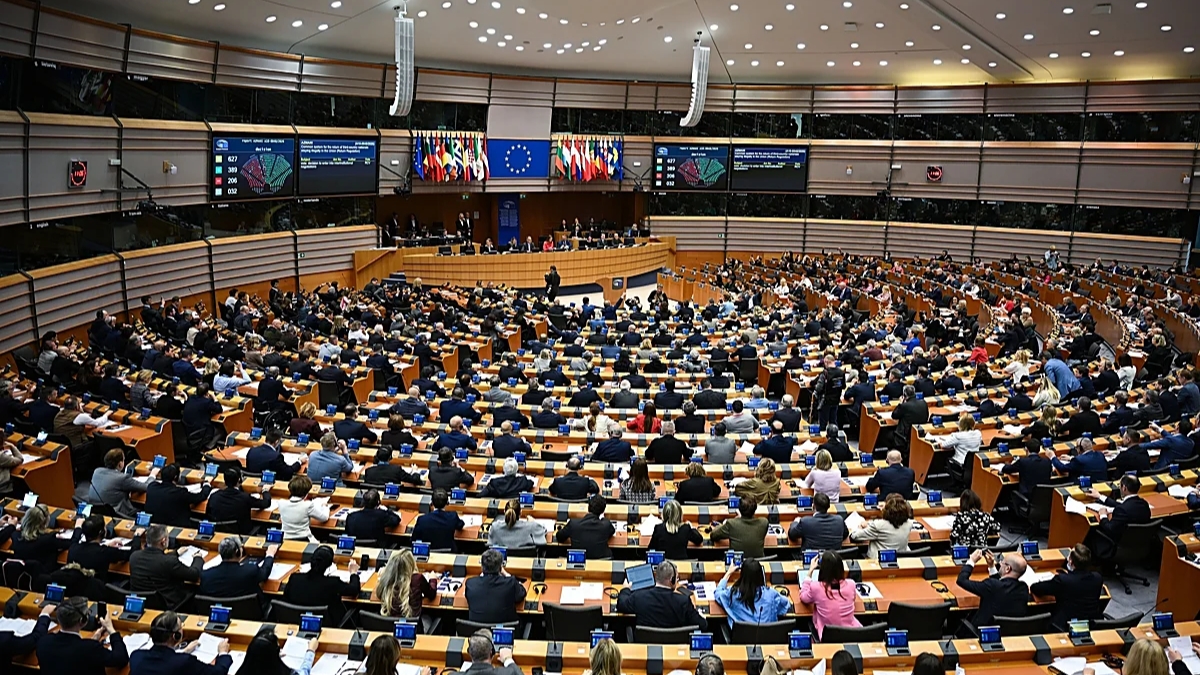
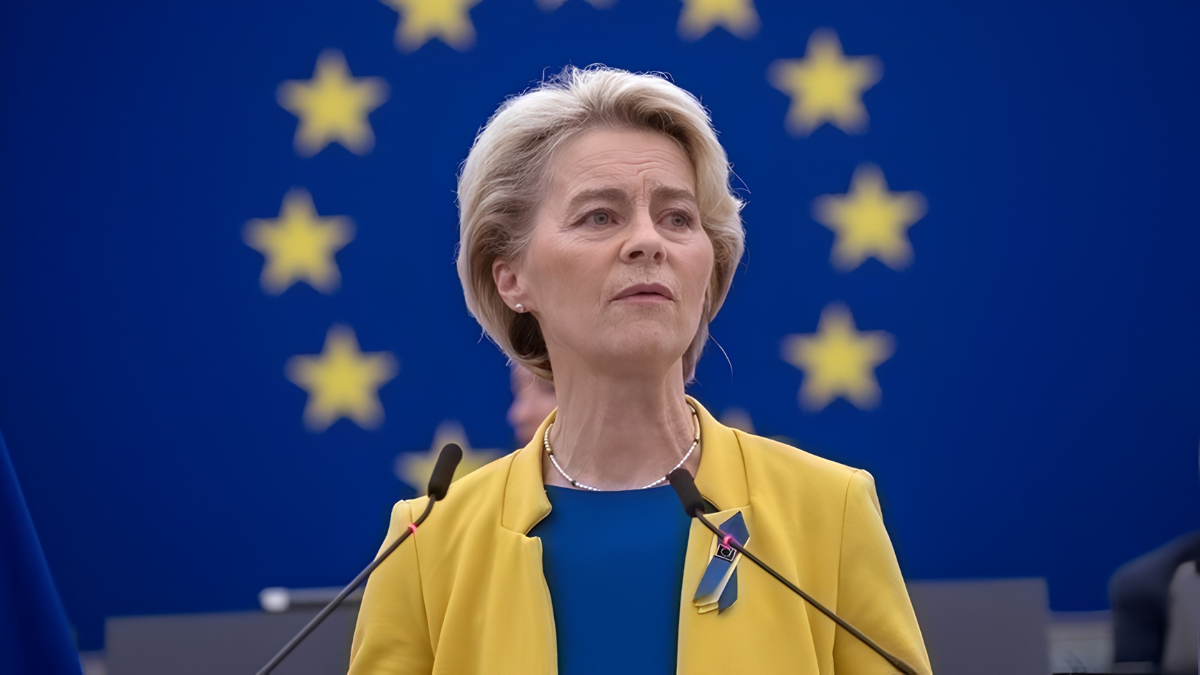
The proposal was announced during von der Leyen’s State of the Union address to the European Parliament in Strasbourg, attended by Canadian Prime Minister Mark Carney. “I would like to work with you to open the door for Canada to become the first associate member of the European Union,” von der Leyen said.
The initiative would create a new level of cooperation between Brussels and Ottawa, positioned somewhere between traditional external partnerships and full EU membership. It would not mean Canada becoming the EU’s 28th member state, nor would it automatically grant the country access to the bloc’s single market.
A new model of partnership
The concept of an “associate member” is not currently defined as a formal legal category in the EU treaties. Any such arrangement would therefore require the creation of a specific framework setting out Canada’s rights, obligations and degree of participation in EU institutions and programmes.
Von der Leyen pointed to the close relationship between the EU and Canada and their shared interests in a number of strategic areas. These include artificial intelligence, climate change, the Arctic, defence and critical raw materials.
The proposal would seek to expand the existing relationship between Brussels and Ottawa and establish closer cooperation in sectors considered strategically important. The broader objective is to strengthen economic and security ties at a time of growing geopolitical competition.
Defence, technology and strategic resources
The proposed partnership could cover areas ranging from defence and technology to energy, critical minerals and strategic supply chains.
Canada has already been strengthening its cooperation with the EU on defence and is involved in European initiatives related to military procurement. The two sides are also exploring closer collaboration in areas such as artificial intelligence, digital infrastructure, energy and critical resources.
The Arctic is another key element of the proposed partnership. Melting ice, emerging shipping routes and access to natural resources have increased the region’s geopolitical importance, with Canada playing a central role.
Von der Leyen presented the initiative as a way to strengthen the capabilities of both sides rather than as an alliance directed against any particular country.
Canada seeks to diversify its economic ties
The announcement comes amid heightened tensions between Canada and the United States. Carney’s government has been seeking to diversify Canada’s international trade relationships and reduce its heavy dependence on the US market.
During his European visit, Carney has backed the creation of what he described as a “unique alliance” with the European Union, while making clear that Canada is not seeking full EU membership.
Ottawa is also looking to increase trade with other markets and deepen cooperation with Europe in areas including defence, trade and digital security.
Going beyond CETA
Canada and the EU already have a close commercial relationship through the Comprehensive Economic and Trade Agreement (CETA). The new initiative would seek to go beyond that framework by expanding cooperation into strategic and security-related areas.
Potential areas of cooperation include greater mobility for workers and students, research and education, digital infrastructure, energy projects and access to critical raw materials.
The next challenge will be to determine what an associate membership would actually involve and how deeply Canada could participate in EU programmes and policies.
A potential precedent for the EU’s global partnerships
The proposal opens a new institutional debate for the European Union. If Brussels and Ottawa succeed in developing the model, Canada would become the first country to establish a formal relationship of this kind with the EU.
The initiative forms part of the Commission’s broader effort to strengthen the bloc’s external partnerships as the international system becomes increasingly fragmented. For Canada, meanwhile, it offers an opportunity to deepen its economic and strategic ties with Europe while diversifying its international relationships.
For now, von der Leyen’s proposal marks the beginning of a political and legal process. The precise scope of the partnership, its obligations and Canada’s potential access to EU structures and programmes have yet to be determined.