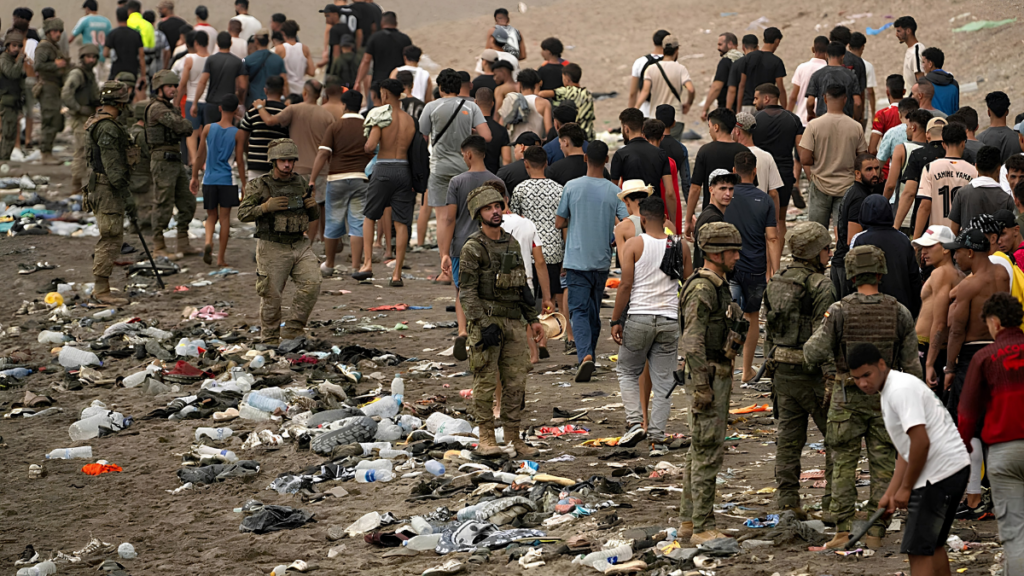
At least 72 people have died following a massive, unprecedented border breach into Spain’s North African enclave of Ceuta, local Spanish officials confirmed, triggering an international diplomatic crisis and prompting EU interior ministers to convene an emergency meeting.
Over the span of 48 hours between Wednesday and Friday, an estimated 60,000 migrants—driven by economic hardship and encouraged by social media rumors—attempted to enter Spanish territory by land and sea, mostly by swimming around coastal breakwaters from neighboring Morocco.
Tragedy at the Border and Immediate Response
Spanish emergency services and Civil Guard maritime units recovered five additional bodies along Ceuta’s coastline over the weekend, bringing the confirmed death toll from 67 to 72. Official reports indicate that most victims drowned or suffered fatal injuries while trying to navigate dangerous sea currents around the border fence and breakwater.
More than 1,000 individuals received medical attention. In response, Spanish Prime Minister Pedro Sánchez deployed armed forces and police reinforcements, while naval units installed a 500-meter floating security boom offshore to prevent further sea attempts. “The situation was unprecedented, but within 48 hours Spain restored border control, prevented movement to mainland Europe, and oversaw the voluntary return of the vast majority of migrants.”-Miguel Ángel Pérez Triano, Spanish Government Representative in Ceuta
Rapid Returns and European Fallout
According to Spanish authorities, order has largely returned to Ceuta, a city with a permanent population of 84,000. Over 50,000 migrants have voluntarily returned across the border to Morocco or were escorted back by security forces. European Commission President Ursula von der Leyen confirmed that none of those involved in the breach reached mainland Spain or the broader Schengen zone.
Despite the rapid stabilization, the tragedy has ignited fierce political debate across Europe. Domestically, right-wing opposition parties criticized Prime Minister Sánchez for failing to prevent the crisis. Internationally, European partners questioned Madrid’s immigration policies, prompting Sánchez to write a letter to EU leaders denouncing “selfish” political reactions.
EU Emergency Summit Convened
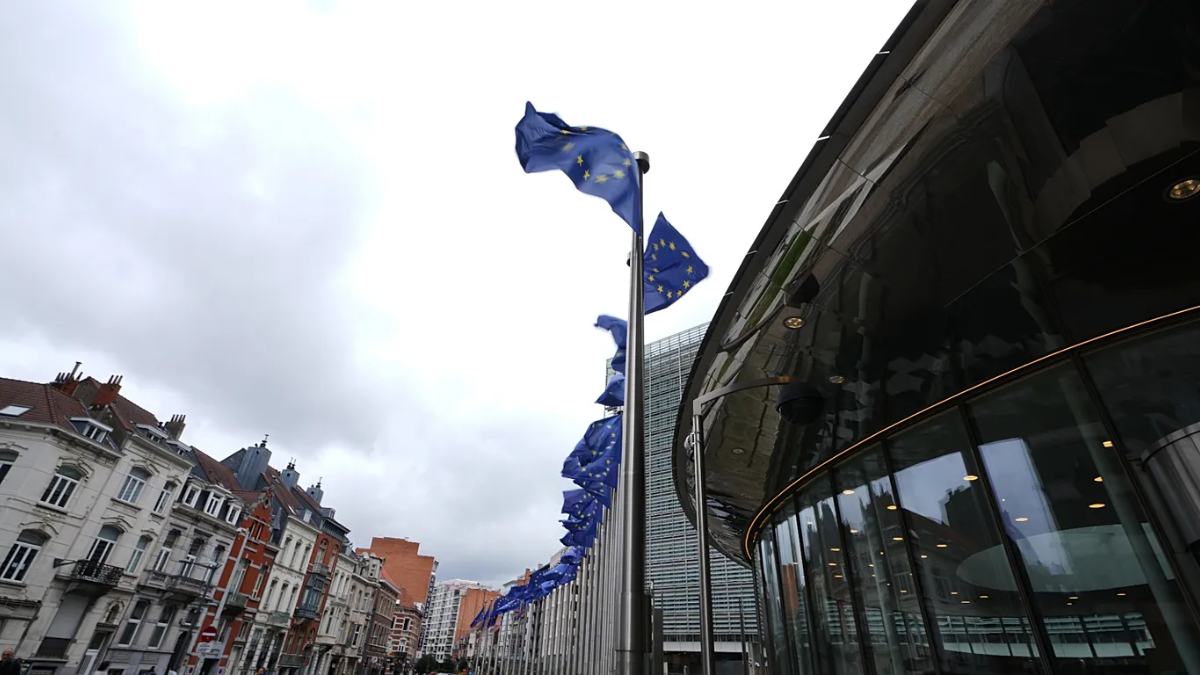
Following requests from 22 of the 27 EU member states, European Union interior ministers will hold an emergency video conference this week to discuss border security enforcement, diplomatic cooperation with North African transit countries, and structural migration reforms across the bloc.