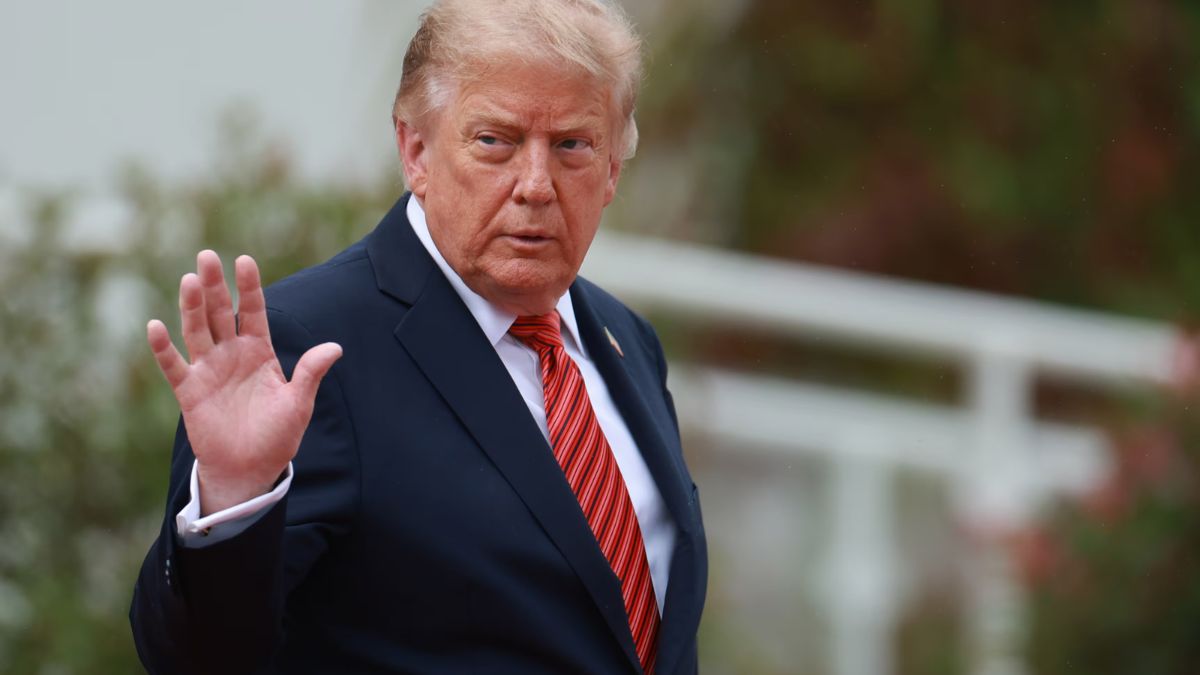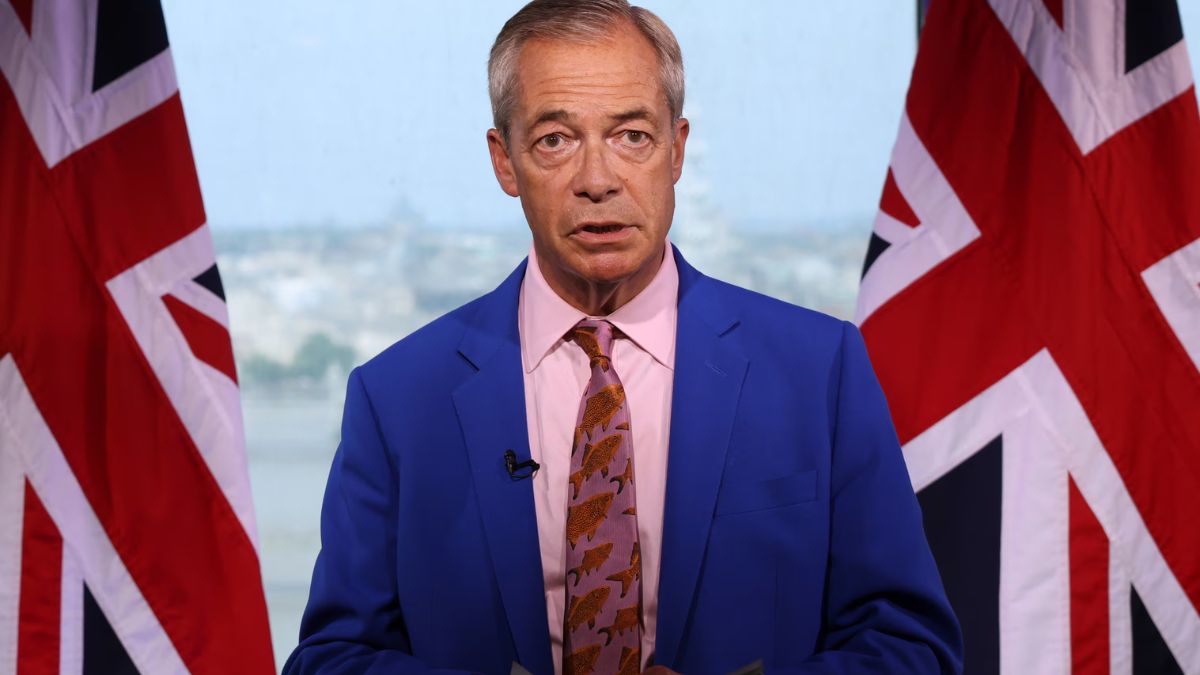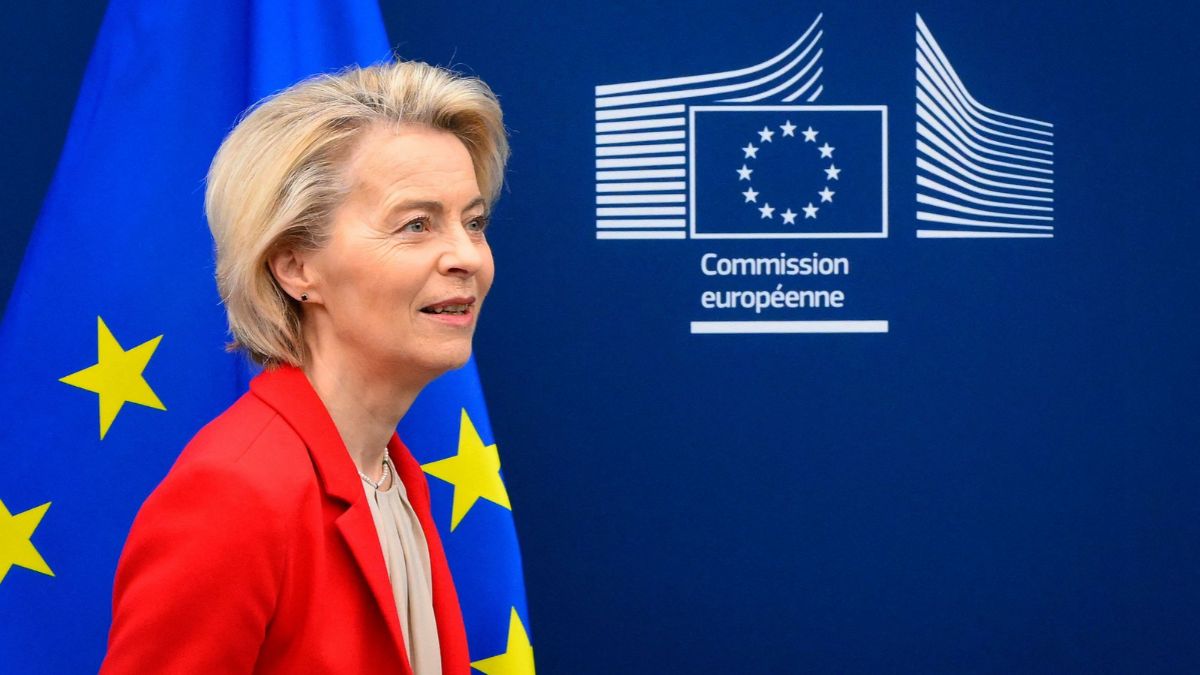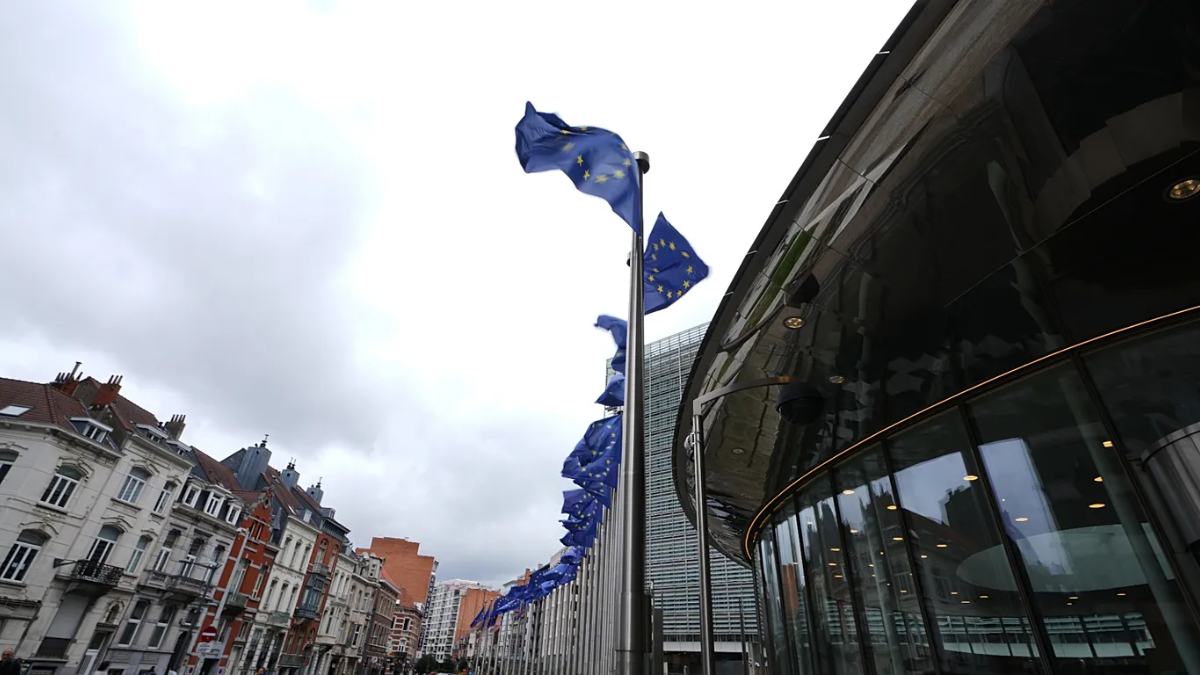
The Brussels elites present it as a crusade for “digital laws.” But more and more voices warn that what is at stake is far more serious: freedom of expression is being eroded by a digital legal framework designed to silence dissent. This week, Republican Congressman Jim Jordan, chairman of the influential U.S. House Judiciary Committee, denounced this during a tour of Europe.
Jordan, one of former President Donald Trump’s main allies, concluded his visit with a strong message: “Nothing has dispelled our concerns. European digital laws are a direct threat to the freedom of citizens, not only Europeans but also Americans.”
During his stay, Jordan met with UK authorities and European Union representatives to discuss the impact of new regulations governing social media and digital platforms. Among these are the Digital Services Act (DSA) and the Online Safety Bill, presented as tools to combat “hate” and “disinformation,” but in practice grant unprecedented powers to governments and bureaucrats to control what can and cannot be said online.
“The chilling impact [on freedom of expression] is as real as direct censorship,” Jordan warned. He added that the Judiciary Committee will immediately inform the new Trump administration about the dangers these laws pose to digital sovereignty and individual freedom.
The congressman did not limit his criticism to Brussels. He also expressed skepticism about explanations offered by UK Secretary of State for Technology Peter Kyle regarding the British government’s pressure on social media platforms during last summer’s riots.
According to Jordan’s post on X, the British government urged digital platforms to censor content discussing the existence of a “double standard police,” referring to police bias during the 2024 racial disturbances.
“I don’t know if we got a satisfactory answer from Kyle. They tell us it’s all to help, for the common good, ‘God bless the UK and the US.’ But from an American perspective — citizens and businesses — this sounds more like ideological surveillance than protection,” he said.
Jordan’s warnings come at a crucial time: while the European Commission imposes fines and controls on tech giants for failing to remove “problematic” content or enforces censorship to “protect minors” promptly, the Trump administration in the U.S. prepares a legal and institutional counterattack to prevent that censorious model from spreading across the Atlantic.
In this context, Jordan’s presence in Europe has not been ceremonial but strategic. The message is clear: the United States will not tolerate its citizens, companies, or constitutional principles being limited by a European model that treats freedom as a privilege, not a right.