A survey reveals that half of Chinese people believe immigration has a ‘negative impact’ on the UK
An exclusive ITV News/Ipsos survey has revealed that immigration has become one of the most divisive issues in UK society, following a summer of protests and heated debates over the reception of asylum seekers.
The study, conducted between October 31 and November 4 with more than 2,000 people aged 16 to 75, paints a picture of growing polarization: 85% of participants believe the country is fractured, and a large majority identify immigration as the main cause of this division.
More than two-thirds of respondents (67%) feel that the number of immigrants in the UK is excessive, a perception that cuts across different social and ethnic groups. Even among minorities, where opinions have traditionally been more moderate, half of British people of Asian descent and 45% of those of African descent share this sense of immigration overload.
The study also reveals notable generational differences. Among young people aged 16 to 25, three in ten consider current immigration levels appropriate, while among those over 55, that figure drops to 10%, reflecting a clear contrast in how both groups perceive the country’s future.
Concerns about the economic and social effects of immigration are widespread. Nearly half of respondents (46%) believe the impact is negative for the UK, with similar figures regarding the National Health Service (48%) and other public services. Additionally, 62% say the arrival of immigrants has worsened the housing shortage, while 40% feel it also affects job opportunities.
Geographically, feelings of unease are strongest in the East Midlands and West Midlands, where competition for employment is perceived as most acute. White respondents express a higher level of concern (46%) compared with ethnic minorities (25%).
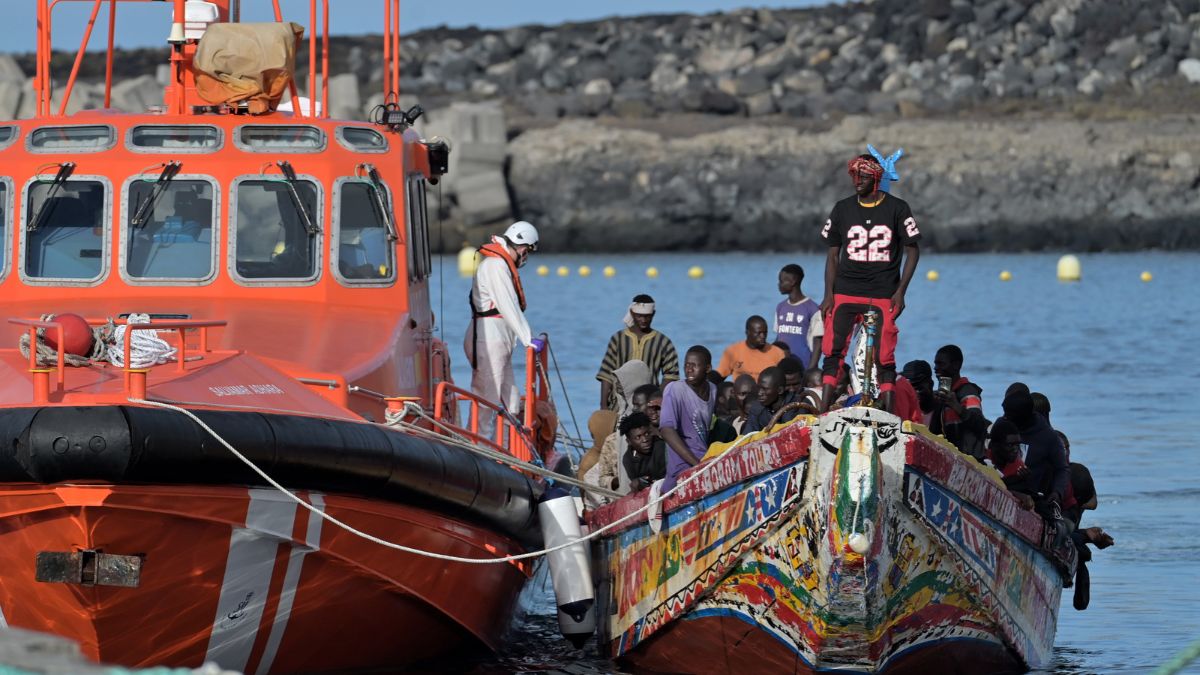
Much of this concern focuses on small boat crossings of the English Channel, one of the most headline-grabbing issues in recent months. Three in four Britons mention it as one of their main worries, second only to the national economic situation. In the southeast of the country, where landings are most visible, the percentage of those expressing concern reaches 80%.
Overall, the data suggest that immigration and Channel crossings will continue to be key issues in the UK political debate. Beyond the numbers, the study reflects a society deeply divided over how to manage its identity, borders, and shared future.