Chancellor Friedrich Merz sinks in the polls with minimal approval ratings, and the AfD has already overtaken him as the leading force in Germany
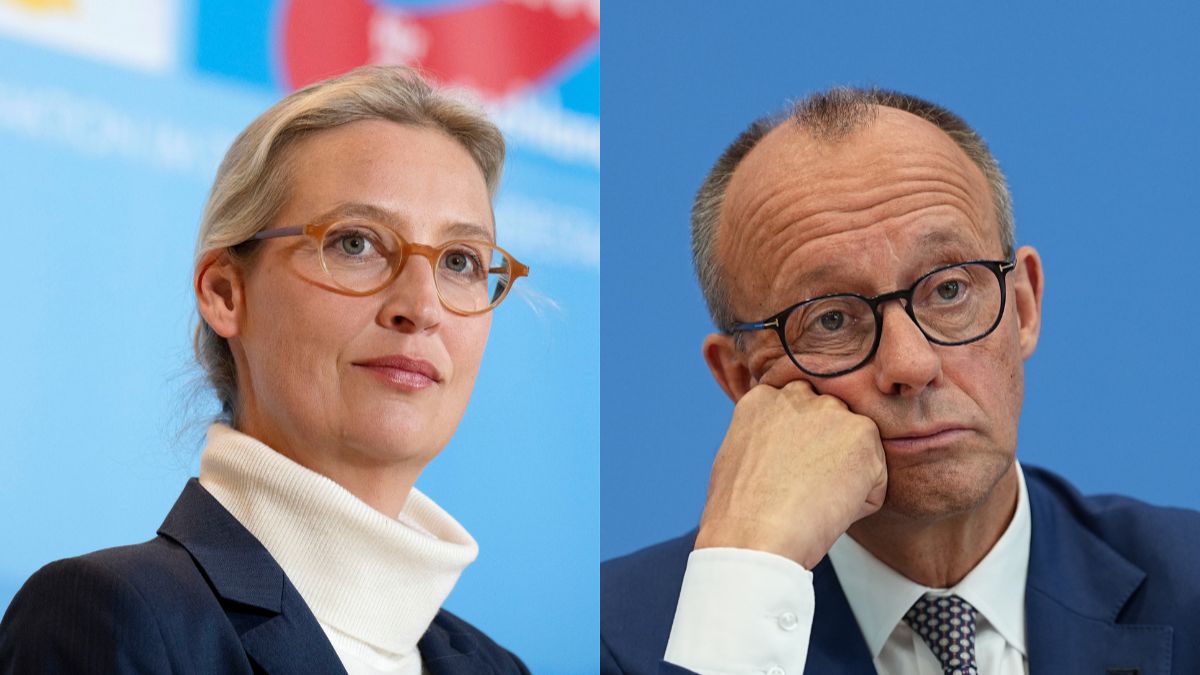
The latest Deutschlandtrend poll has confirmed a sharp collapse in the popularity of German Chancellor Friedrich Merz. According to the survey, only 27% of respondents say they are satisfied with his performance, while a striking 69% express dissatisfaction. These figures place the CDU leader at his lowest approval ratings since assuming office, signaling a serious credibility crisis for the conservative politician.
Political analysts largely attribute this decline to Merz’s failure to uphold one of his central campaign promises: maintaining the debt brake. This commitment was particularly important to the conservative electorate, and its breach has significantly eroded trust in his leadership. The trend has been consistent over recent months; compared to September, Merz has already lost six points in public support, reflecting a continuing and unbroken downward trajectory.
However, the dissatisfaction is not confined to Merz alone. The poll indicates that 77% of Germans are unhappy with the so-called red-black ‘grand coalition,’ underscoring widespread frustration with the political establishment as a whole. The sentiment suggests that disillusionment extends beyond party lines, affecting perceptions of government effectiveness and integrity more broadly.
Of particular importance in the poll are the voting intentions. The CDU/CSU bloc has fallen to just 24%, while the far-right Alternative for Germany (AfD) is now three points ahead. This represents the largest recorded national gap between the two parties and marks a historic milestone in German politics. It highlights the AfD’s growing role as a primary reference point for dissenting voters, particularly amid public concerns over immigration, insecurity, and ongoing economic challenges.
The poll reflects not only a personal setback for Merz but also a profound shift in the political landscape. Rising support for the AfD signals that a significant portion of the electorate is seeking alternatives to the traditional mainstream parties, challenging the stability and direction of the current government.