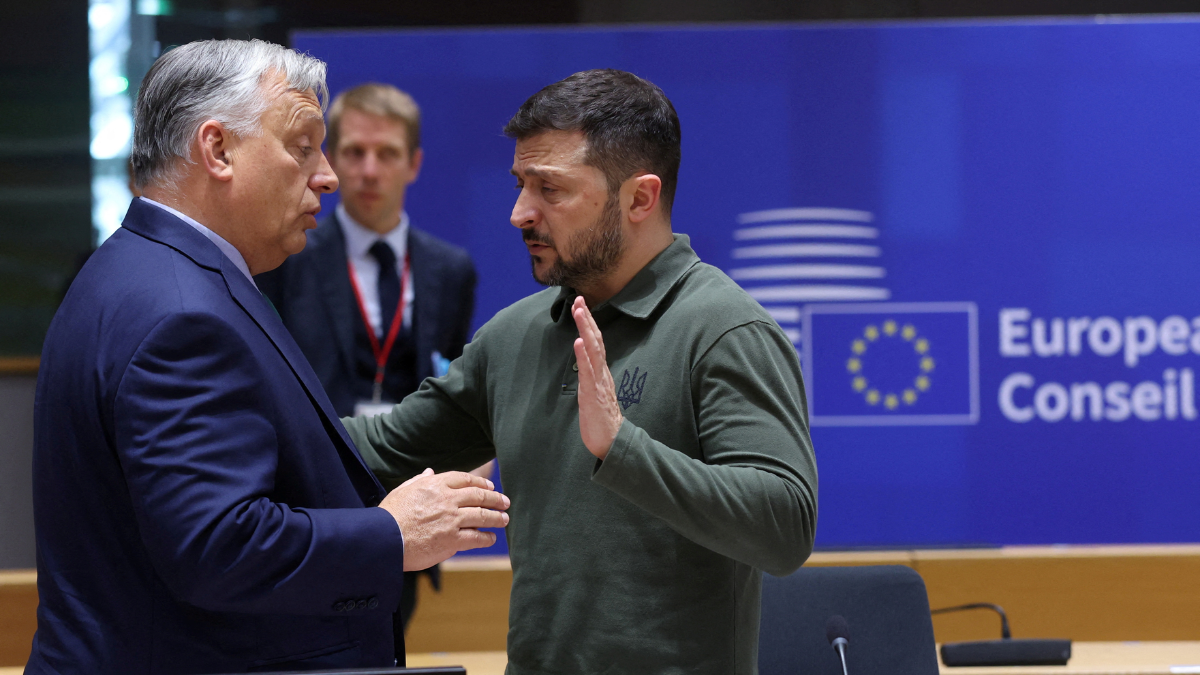
Hungary signals further action against Ukraine amid EU tensions
Hungarian Prime Minister Viktor Orbán has indicated that his government may take additional measures affecting Ukraine, despite growing criticism from European leaders over Budapest’s recent actions.
Speaking in Brussels, a day after blocking a €90 billion EU loan to Kyiv, Orbán said Hungary retains “several tools” it could use in its ongoing dispute with Ukraine, particularly in relation to energy supplies.
Among the measures referenced, Orbán pointed to Hungary’s role in regional infrastructure, noting that a significant share of Ukraine’s electricity flows through Hungarian territory. He also reiterated that Budapest would not support further EU sanctions against Russia if unanimity is required.
The dispute is closely linked to the disruption of oil deliveries via the Druzhba pipeline, which Hungary and Slovakia continue to rely on. Shipments were interrupted following damage to the infrastructure earlier this year, an incident Kyiv attributes to a Russian drone strike.
Orbán has suggested that Ukraine bears responsibility for the situation and has tied Hungary’s position on EU financial support to the restoration of oil flows.
EU leaders criticise Hungary’s stance
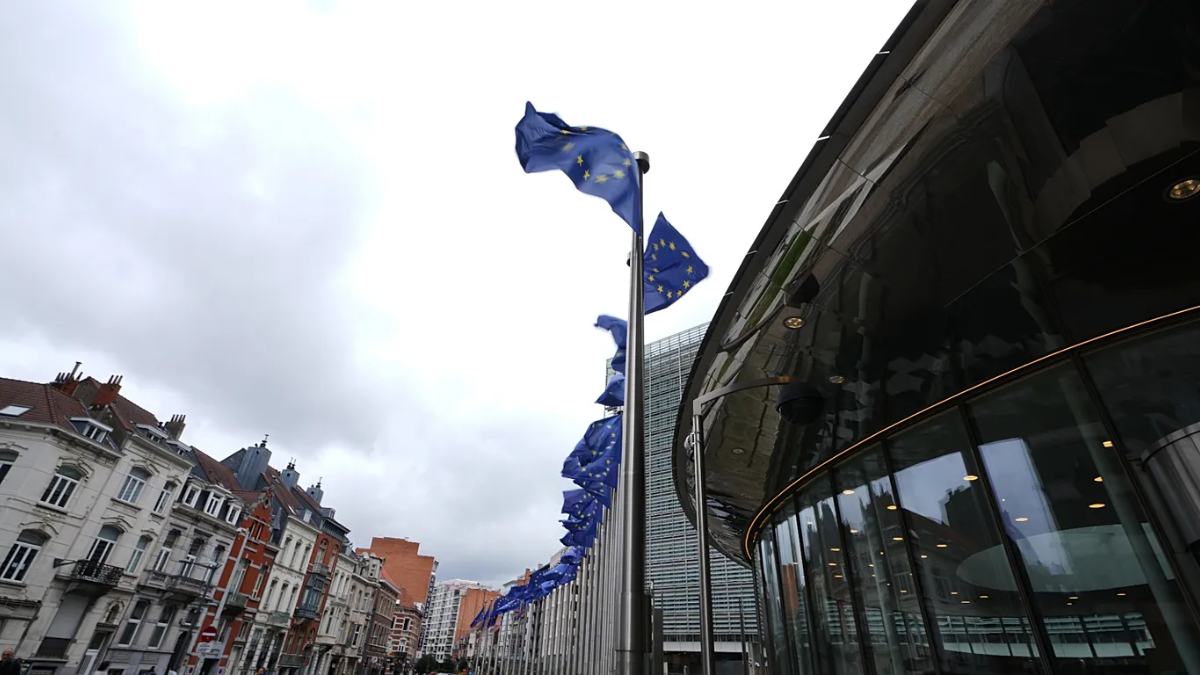
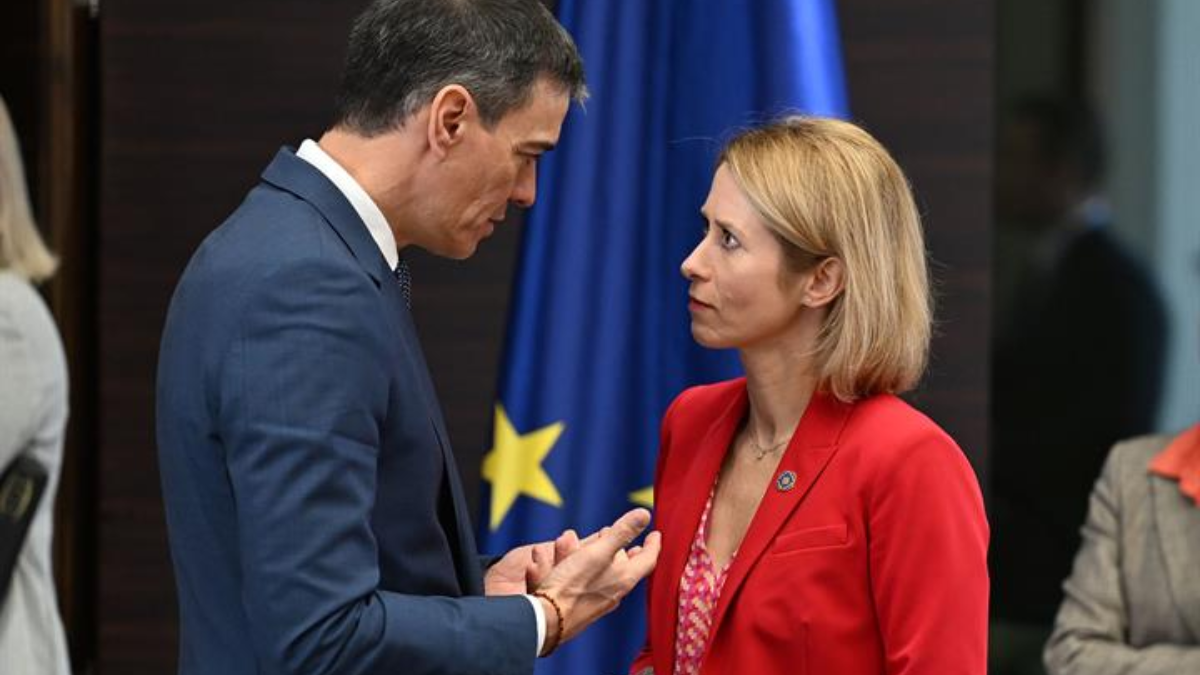
Hungary’s position has drawn a strong response from other EU leaders, who have accused Budapest of undermining collective decision-making at a critical moment.
European Council President António Costa said member states had expressed clear dissatisfaction with Hungary’s approach during recent discussions, emphasising that previously agreed commitments should be upheld.
He rejected any suggestion that individual countries could leverage veto powers to influence broader EU policy decisions, stressing that unity remains essential for the bloc’s credibility.
EU officials have sought to defuse the situation by offering technical and financial assistance to help repair the damaged pipeline, an initiative that Ukraine has accepted.
Political and strategic tensions
The standoff comes as Hungary approaches a closely contested general election in April, with Orbán’s government adopting a more confrontational stance on Ukraine in recent months.
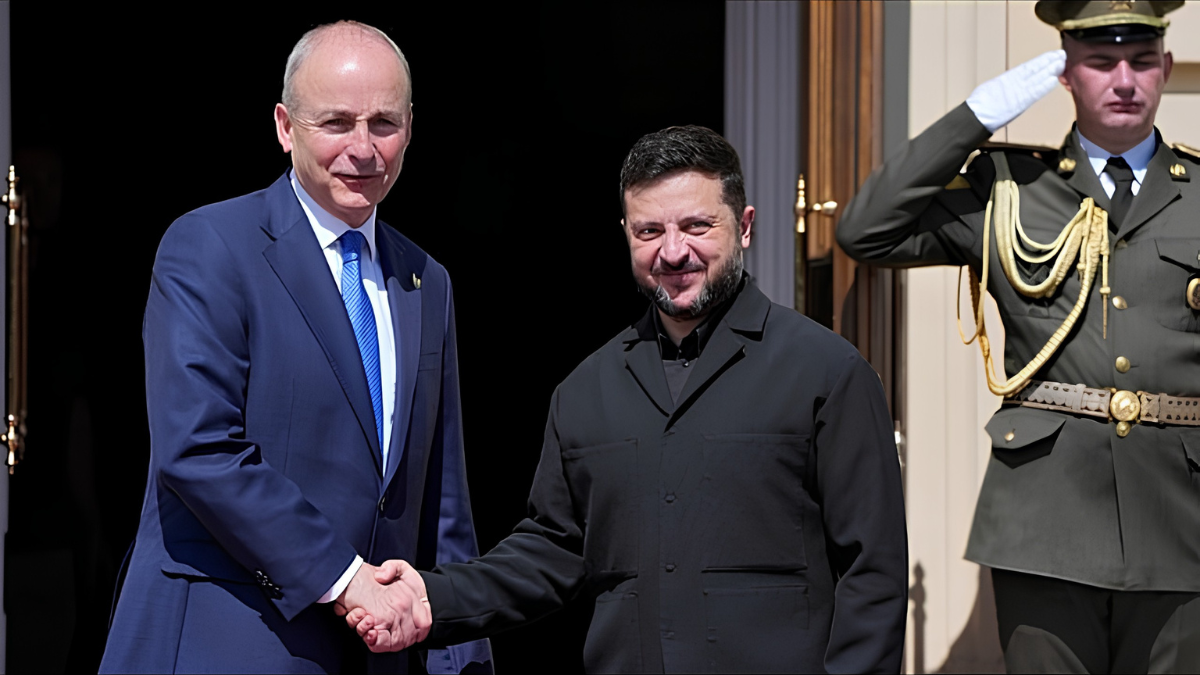
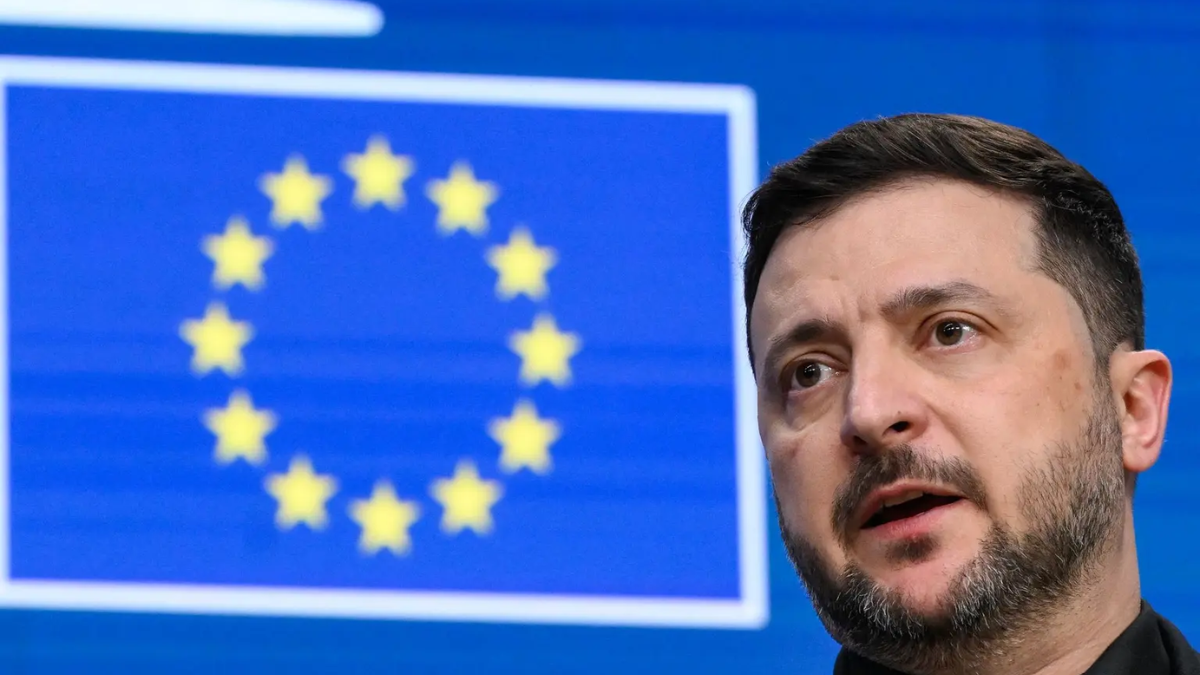
At the same time, tensions between Budapest and Kyiv have intensified, with Ukrainian President Volodymyr Zelenskyy rejecting Hungary’s claims regarding responsibility for the pipeline disruption.
European officials have warned that the conditions set by Hungary may be difficult to meet, particularly given the ongoing conflict and continued attacks on critical infrastructure in Ukraine.
As the situation develops, the dispute highlights broader divisions within the EU over energy security, support for Ukraine and national veto powers, raising questions about the bloc’s ability to maintain a unified response in times of crisis.