Iran war raises questions over Europe’s readiness
As the confrontation between Iran and the United States intensifies, the consequences are increasingly being felt far beyond the Middle East. Casualties in Iran have climbed into the thousands and the conflict is expanding across multiple fronts in the region.
For Europe, the crisis is not simply a geopolitical dispute unfolding abroad. Officials in Brussels warn that the instability could have direct repercussions for the European Union, particularly in areas such as energy security, economic stability and internal safety.
The Strait of Hormuz, one of the world’s most critical shipping routes for oil and liquefied natural gas, remains a focal point of concern. Any disruption to traffic through the narrow passage could quickly drive up global energy prices, placing additional pressure on European households and industries.
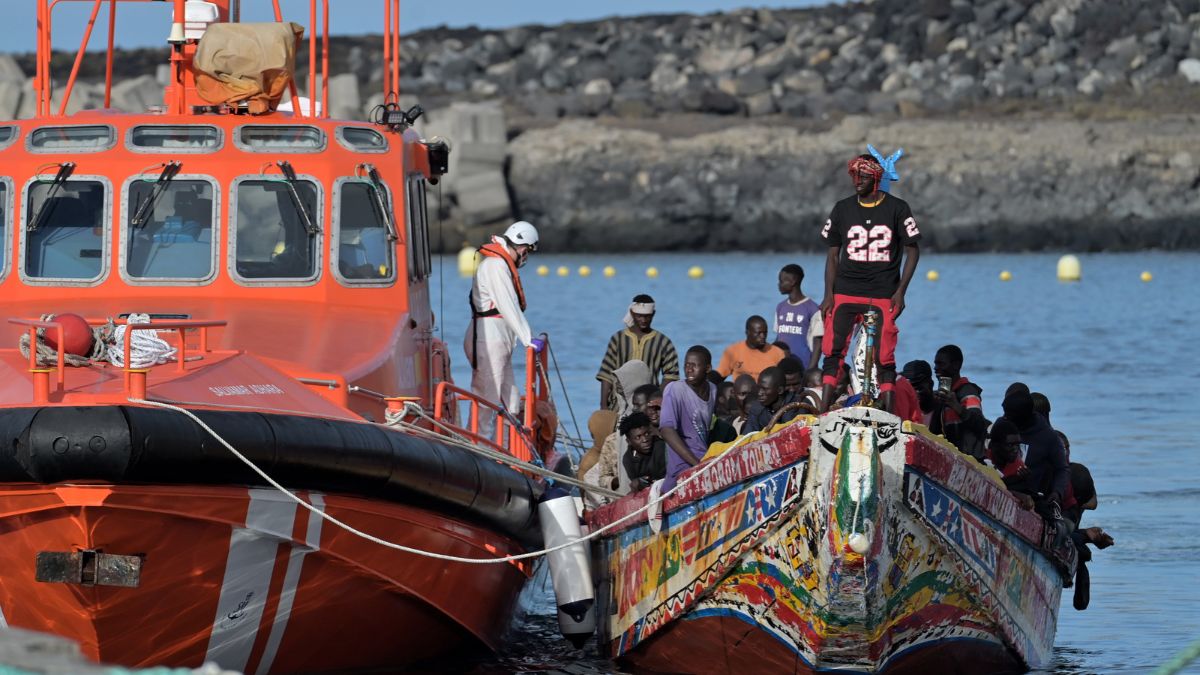
At the same time, the conflict raises fears of cyberattacks, terrorism risks and financial market volatility, while prolonged instability in the region could also lead to new migration pressures on Europe’s borders.
EU crisis mechanisms in place
European institutions insist that a range of crisis management tools are ready to respond if the situation deteriorates further.
For EU citizens abroad, embassies and consulates remain the first source of assistance. Under EU rules, Europeans are entitled to seek help from any member state’s diplomatic mission if their own country does not have representation in the area.
In situations requiring evacuation, national governments retain primary responsibility. However, coordination at the European level is carried out through the EU Civil Protection Mechanism, which helps organise transport, share resources and support emergency operations through the bloc’s 24-hour Emergency Response Coordination Centre.
Meanwhile, the European Commission is responsible for overseeing humanitarian support, strengthening border management and preparing internal security responses. EU agencies such as Europol monitor potential security threats linked to terrorism and organised crime, while cybersecurity teams remain on alert for digital attacks targeting European infrastructure.
Economic institutions are also involved. The EU can mobilise financial instruments — including potential support from the European Central Bank and emergency funding programmes — to stabilise markets and limit economic disruption.
As the conflict continues to evolve, the question facing European policymakers is whether these mechanisms will be sufficient if tensions escalate further.
For now, the war in the Middle East serves as a stark reminder that global conflicts can rapidly translate into challenges for Europe, testing the bloc’s ability to respond collectively to external shocks.